

Uluwatu Temple Bali
Uluwatu Temple Bali combines clifftop views, a sacred Hindu site and an evening Kecak performance, but each experience needs a little planning. You can visit the grounds without watching the show, or arrive in the afternoon to enjoy both. This Style Travel guide explains what you can see, which tickets to buy and how to choose a time that suits your trip.
What makes Uluwatu Temple in Bali special?
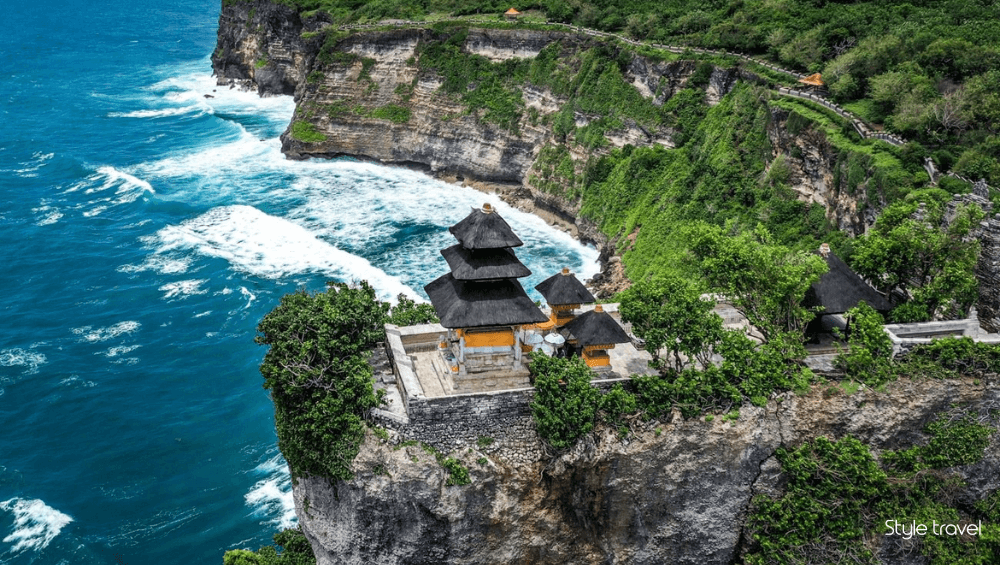
Uluwatu Temple is also known as Pura Luhur Uluwatu, the temple stands in Pecatu on the south-western Bukit Peninsula. Its limestone headland rises around 70 meters above the Indian Ocean, placing the temple within a landscape of steep cliffs and open water. That setting is why the temple ranks among the most popular destinations in Bali, even if you do not stay for the evening performance.
Uluwatu also belongs to Bali’s Sad Kahyangan, six important sanctuaries associated with the island’s spiritual balance. Its history is linked with Mpu Kuturan and the priest Danghyang Nirartha; accounts of Nirartha’s spiritual liberation here belong to the temple’s religious tradition. Understanding that significance adds context to the views and architecture.
Among the temples in Bali Indonesia, Uluwatu is particularly appealing if you want to combine coastal scenery with an introduction to Balinese religious heritage. However, it remains a place of worship. A visitor ticket allows access to designated grounds, while restricted sacred areas are reserved for worshippers and authorized personnel.
What to see at Uluwatu Temple in Bali
The visit centers on the coastal paths, views of the temple and its surroundings, with Kecak available as a separate evening experience. Plan around those highlights rather than expecting unrestricted access to every courtyard.
Walk the clifftop paths and viewpoints
Follow the marked paths to see the headland and coastline from different angles. Looking back towards the temple can be as rewarding as approaching it, so give yourself time to pause rather than walking straight to one viewpoint and leaving.
Expect stone paving, steps and uneven sections. Wear footwear with grip, keep children close and stay behind barriers. Never sit or climb on boundary walls for a photograph. If you need step-free access, contact the site about the particular route you intend to follow; the availability of wheelchairs does not establish that every path is accessible.
A guide may be worthwhile if you would like explanations of the architecture and religious context. Ask what the service includes before agreeing to it, especially if you already have a guide with you on one of our Bali Indonesia tours.
Watch the Kecak and fire dance
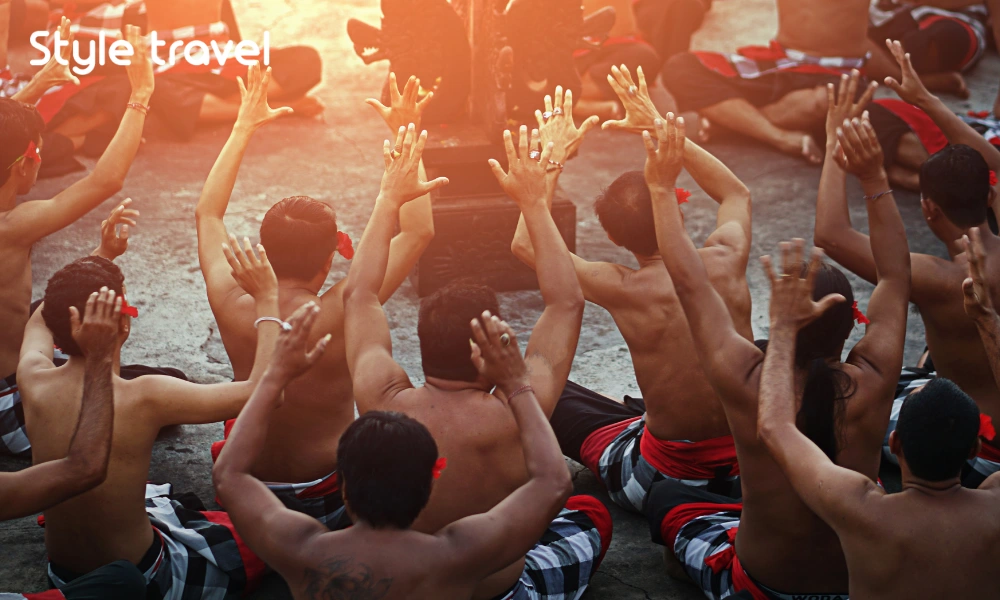
The Kecak performance at sunset is one of the best known things to do in Bali, bringing scenes from the Ramayana to an outdoor amphitheatre beside the temple. A male chorus creates the rhythm through repeated chanting rather than a gamelan orchestra, while costumed characters act out the story.
Knowing the main characters makes the performance easier to follow: Rama seeks to rescue Shinta from Rahwana, with help from Hanoman, the white monkey warrior. Fire forms part of Hanoman’s dramatic sequence. The show is a staged cultural performance; watching it is different from entering the temple’s worship areas or attending a religious ceremony.
Consider the setting when deciding whether to book. Outdoor seating and sustained chanting may suit some travelers better than others. If visiting with young children, think about how comfortably they can sit through the published hour-long program, and ask about seating arrangements before purchasing.
Uluwatu Temple Bali tickets and opening hours
Temple admission and Kecak tickets are separate. Buying a dance ticket does not automatically cover entry to the temple grounds, parking or transport. Prices are in Indonesian rupiah, and times are local Bali time, WITA.
| Item | Published price or time |
|---|---|
| Temple admission for international adults | IDR 60,000 per person |
| Temple admission for international children | IDR 40,000 per person; confirm the applicable age band |
| Temple opening hours | 07:00-19:00 |
| Kecak adult ticket | IDR 150,000 per person |
| Kecak child ticket, ages 2-9 | IDR 75,000 per person |
| Published Kecak performance | 18:00-19:00 |
| Published amphitheatre gate opening | 16:00 |
| Sarong and sash | Provided free at the temple entrance |
| Parking | Charged separately; confirm the current amount |
These details come from the temple’s published admission and Kecak information.
When to visit Uluwatu Temple in Bali for the views and Kecak
Choose the morning if your main interests are walking, architecture and coastal views with fewer visitors around. Local visitor guidance identifies the early morning as generally quieter than the sunset period. It also works if you prefer to keep your evening free.
Choose late afternoon if you want to combine the grounds with Kecak. Explore first, then move to the amphitheatre with time to find your seat. The published guidance recommends arriving at least an hour before the show, so allow additional time for the temple walk rather than treating that hour as your entire visit.
Sunset viewing and watching Kecak overlap, but they are not identical experiences. Once seated, you will be watching the performance from the amphitheatre rather than moving between clifftop viewpoints. Prioritize the walk beforehand if photographs of the temple and coastline matter to you.

Getting to Uluwatu Temple in Bali
Arrange transport to Pecatu and your return journey
Use Pura Luhur Uluwatu in Pecatu as your destination when arranging transport. If you are exploring Uluwatu Bali more broadly, check the temple’s location against your accommodation and other plans before deciding on your departure time.
A car with a driver can be convenient if you want transport waiting after the performance. A taxi or app-based car may suit a direct journey, but establish how you will arrange the return trip. Avoid scheduling an evening visit around a fixed travel estimate copied from a guide: your starting point and traffic will affect the journey.
Before booking, confirm:
- Whether the price includes waiting until after Kecak.
- Where you will meet the driver on departure.
- Whether parking, extra stops and any overtime are included.
Dress appropriately and keep belongings secure
Wear modest clothing and put on the required sarong and sash before entering. Give worshippers room, follow signs around restricted areas and avoid blocking paths for photographs. Current published rules also prohibit entry to the temple area during menstruation; ask staff about access boundaries if this affects your visit.
Monkeys live in the grounds and may take loose belongings. Put sunglasses, hats and small accessories away, keep bags closed and use your phone carefully. Do not feed, touch or chase the animals. If an item is taken, seek help from an attendant rather than trying to retrieve it yourself.
The coastal location deserves equal attention. Stay on marked routes, supervise children and follow staff instructions if weather affects access. For photography, respect restrictions and obtain permission before using a drone.
For wider preparation beyond the temple, the Bali Indonesia travel tips guide can help you organize the rest of your holiday. At Uluwatu itself, keep the essentials simple: suitable clothing, secure belongings, comfortable footwear and a clear transport plan.
Uluwatu Temple Bali is worth considering for its combination of coastal scenery and cultural interest. Visit earlier for a walk through the grounds, or allow a longer afternoon and evening for Kecak. To discuss how the temple could fit into a personalized Bali holiday, contact Style Travel through easyasiatour.com.


The 15 best Indonesian desserts to try at markets and carts

The Maluku islands, home of nutmeg and cloves

Toraja, reefs and tarsiers on Sulawesi

Two weeks in Indonesia with Bali, the Gilis and Yogyakarta

10 days in Indonesia with Bali and Yogyakarta

Bali and the small islands around it

Volcanoes, Temples and Old Kingdoms on Java Island

16 Best things to do in Indonesia in 2026

13 Best Places to visit in Indonesia