

Uluwatu Bali Guide 2026: Things to do and where to stay
Uluwatu Bali is the cliff-edged tip of the Bukit Peninsula, famous for sea temple sunsets, tucked-away beaches and some of the best surf breaks in Indonesia. Below, Style Travel sets out the best things to do, the beaches worth the steps, where to stay and eat, how to get around and when to go, with current fees flagged so you can budget with confidence.
Best Things to Do in Uluwatu Bali
Uluwatu Bali Indonesia rewards travellers who mix culture, coastline and a little downtime. These are the experiences that come up most often in recent traveller guides, grouped so you can plan your days around them.
Uluwatu Temple and the Kecak Fire Dance in Bali
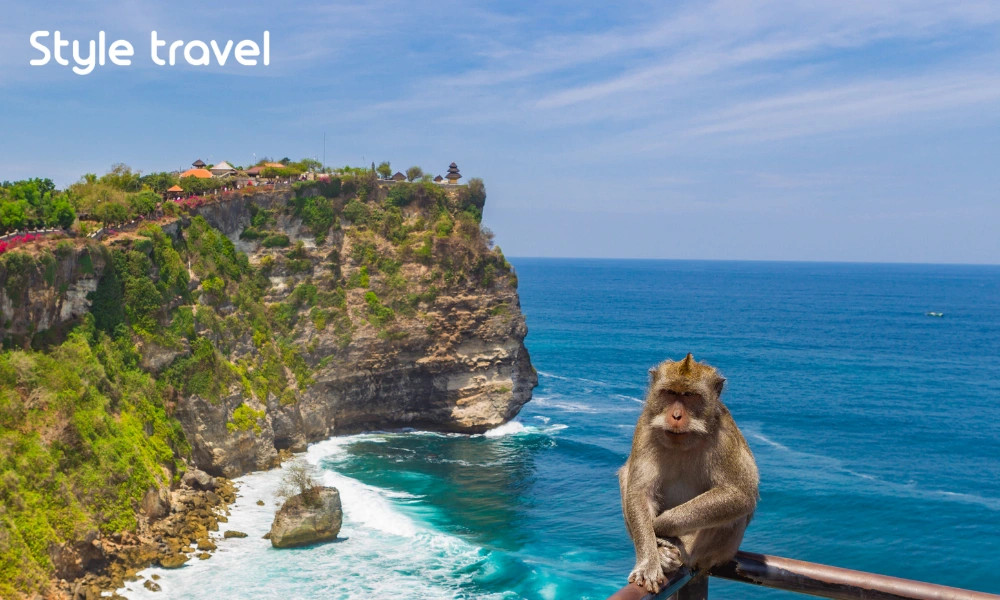
The Uluwatu temple in Bali, known locally as Pura Luhur Uluwatu, is a Hindu sea temple perched on a cliff roughly 70 metres above the Indian Ocean. Visitors are not allowed inside the inner shrines, so the draw is the setting: long ocean views, carved stone gateways and the sunset light.
Here is what to know before you go:
- Entry fee: recent guides report IDR 50,000 for adults, including a sarong. Fees change, so check at the gate.
- Dress code: cover your shoulders and knees. A sarong is provided, but wearing light, modest clothing makes the walk more comfortable.
- Monkeys: the macaques here are bold. Keep phones, sunglasses and snacks zipped inside a bag, and do not make eye contact or offer food.
- Timing: the temple complex is generally open during the day, and late afternoon is the best moment for cooler temperatures and better light.
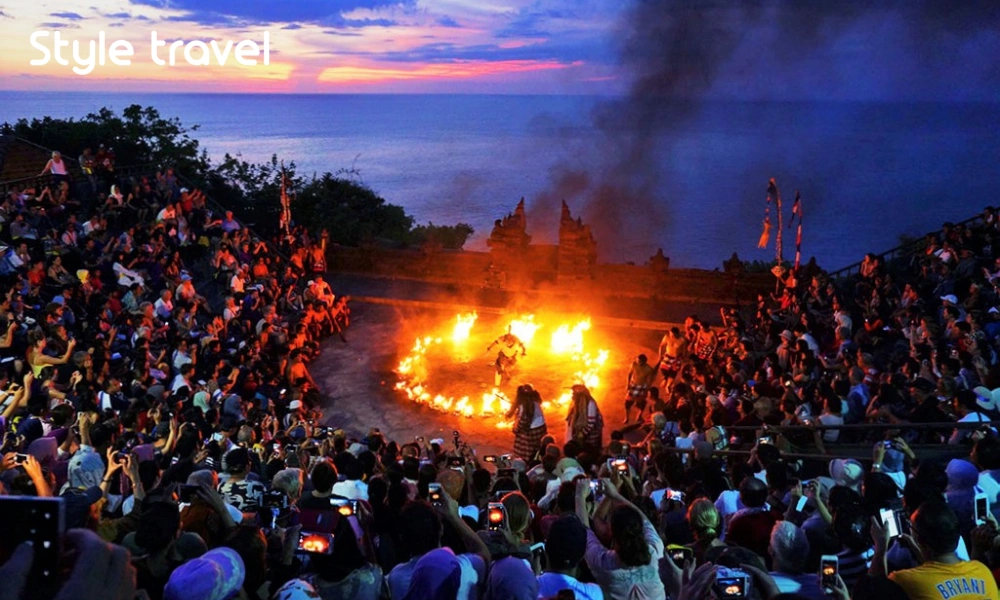
Kecak fire dance performances are held in a clifftop amphitheatre beside the temple. A large group of men chant in rhythm, without instruments, to tell an episode from the Ramayana, and the show usually starts at about 6 pm. The adult ticket is separate from temple entry and is commonly listed at IDR 150,000, with a lower child price. Gates tend to open a couple of hours earlier, and seats can sell out in high season, so arrive early or book ahead.
Sunset Spots and Beach Clubs in Uluwatu
Sunset spots in Uluwatu are easy to find, because the whole west coast faces the horizon. Single Fin, a cliffside bar above Suluban, is the best-known place for a drink with a view. Balangan viewpoint, at the northern end of Balangan Beach, offers wide panoramas and attracts wedding photographers in the evening. Jaran Hill is often described as a quieter alternative for watching the surfers below.
Beach clubs in Uluwatu range from relaxed to resort-style. Sundays Beach Club in Ungasan reaches the sand by inclinator, while Ulu Cliffhouse, Oneeighty and El Kabron sit on or near the cliffs with pools and ocean decks. Most charge an entry fee or a minimum spend that is partly redeemable on food and drink, and the amounts vary by day, so confirm before you book.
Surfing and Paragliding in Uluwatu
Surfing in Uluwatu is the reason many people first hear of the area. The reef breaks are powerful and best suited to experienced surfers, particularly in the dry season. Beginners usually find friendlier waves at Padang Padang or Dreamland, ideally with a lesson from a local school. If you do not surf, watching from a clifftop warung is a pleasant way to spend an hour.
Paragliding is the other popular adventure. Flights launch from the cliffs near Nyang Nyang and are scheduled around the wind, so times shift from day to day. A late-afternoon slot gives the best light over the coastline. Operators usually ask for closed shoes, so leave the flip-flops behind.

Best Beaches in Uluwatu Bali
The best beaches in Uluwatu Bali sit at the foot of limestone cliffs, which means every visit involves steps or a steep path. Tides matter a great deal: some coves nearly disappear at high water, while low tide opens up rock pools and extra sand. Wear sturdy sandals and take water, because some beaches have few facilities.
- Nyang Nyang Beach: a long, wide stretch of pale sand with very few bars and plenty of space. The access staircase is long and the road back up is steep, so many visitors walk down rather than ride. It is a good place to be when the paragliders land at sunset.
- Padang Padang Beach: a small cove reached through a narrow rock passage, popular because of its film connection. Recent guides list a small entry fee of around IDR 15,000, and it can fill up by mid-morning, so go early.
- Suluban Beach: reached by stairs below Single Fin. At low tide a gap in the rocks leads to a larger beach. Hold on to your belongings, as monkeys here are quick to grab loose items.
- Balangan Beach: relaxed and rarely overcrowded, but the water is usually too rough for comfortable swimming. It is better for sunset and the nearby viewpoint.
- Thomas Beach and Dreamland Beach: Thomas is a white-sand beach down steep steps with small beach bars. Dreamland is busier, with shops and clubs, and its gentler waves suit casual surfers. If you ride a scooter, note that the road up from Dreamland is steep.
As a rule, swim only where you can see other swimmers and watch for red flags or local advice, because currents around the reef can be strong.
Where to Stay in Uluwatu in Bali
Where to stay in Uluwatu in Bali comes down to which side of the peninsula suits you. If you are comparing regions across the island, our guide to where to stay in Bali explains how Uluwatu differs from Ubud, Seminyak and Canggu.
- Pecatu and the surf coast: best if you want to be close to Nyang Nyang, Suluban, Thomas and Bingin. Most main sights are within about 20 minutes by scooter. Areas around the busiest beach strips have become livelier at night, so check the location if you are a light sleeper.
- Ungasan and the south: generally quieter, with larger resorts and clubs such as Sundays Beach Club and Omnia Dayclub close by. It suits couples and travellers who prefer a resort pace.
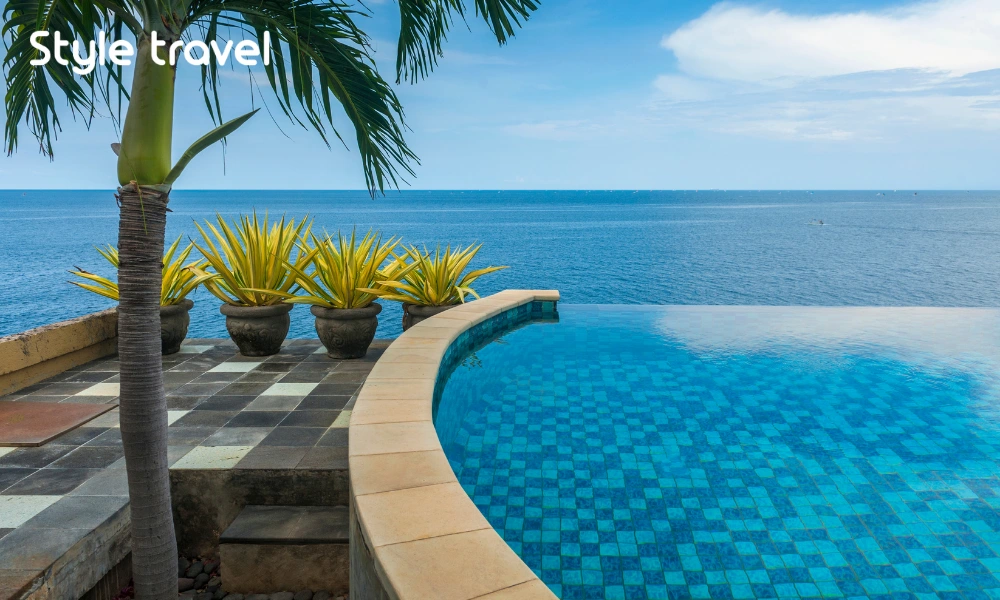
Accommodation ranges from surf hostels and boutique guesthouses to clifftop villas and international-brand resorts such as Anantara, Alila, Bvlgari and Banyan Tree. Peak-season prices rise noticeably, and sources suggest booking a few months ahead for July and August.
One practical point: Uluwatu is not an ideal base for exploring the rest of Bali, because road congestion makes long day trips slow. Treat it as a destination in its own right.
Where to Eat in Uluwatu Bali
Where to eat in Uluwatu Bali is rarely a problem, as the area has a strong café culture alongside family-run warungs. Travel bloggers regularly mention the following, though menus and opening hours change, so check before you set out:
- Breakfast and coffee: Suka Espresso and Milk and Madu are frequent recommendations.
- Seafood: Ulu Fish Market is often named as one of the best fish restaurants in the area.
- Italian and Greek: La Baracca for pizza, and AVLI for a smarter dinner.
- Plant-based and healthy: Land’s End Cafe and Bukit Cafe.
- Local flavours: simple warungs serving nasi goreng, mie goreng and fresh coconuts are good value, and they are a nice way to support small local businesses.
For a cliffside dinner, tables at venues next to the temple can be booked ahead and are worth reserving if you want an edge-of-the-cliff view. Keep valuables off the table, as monkeys have been reported wandering into restaurants.
How to Get to and Around Uluwatu Bali
Getting to Uluwatu Bali from Ngurah Rai International Airport takes roughly 45 minutes to an hour by car in light traffic. From Seminyak or Canggu, allow up to an hour and a half, especially in the late afternoon.
- Scooter: the most flexible option. Recent traveller reports put daily rental at roughly IDR 60,000 to 90,000, with discounts for longer hire. Roads are hilly, with potholes in places, so only ride if you are experienced and your licence and insurance cover it. Always wear a helmet.
- Ride-hailing apps: Grab and Gojek are available but can be less reliable here than in other parts of Bali, particularly after the Kecak show ends.
- Private driver: a good choice for a full day covering the temple, a beach and dinner, and the simplest option if you would rather not ride.
- Walking: short distances between cafés and viewpoints are fine, but the area is too hilly and spread out to explore entirely on foot.
Best Time to Visit Uluwatu in Bali
The best time to visit Uluwatu in Bali is the dry season, from roughly April to October, when skies are clearer and sunsets are at their best. June to August are usually the busiest months because of school holidays, so April to June and September to October offer a good balance of sunshine, fewer crowds and lower prices.
The wet season runs from about November to March. Showers are common but often short, and accommodation is generally cheaper. Surf conditions also change through the year: the largest swells on the west coast tend to arrive in the dry season, while wet-season winds can make some breaks less tidy.
Plan Your Uluwatu Bali Trip with Style Travel
Uluwatu Bali offers a lot in a compact area: a clifftop temple, Kecak dance at sunset, quiet beaches and reliable surf. Pick a base that matches your pace, check tides before you head down to the sand, book the Kecak show early and travel in the dry season if you can.
If you would like help turning this into a full itinerary, the Style Travel team can help you plan a Bali trip that combines Uluwatu with other regions of the island. Share your questions in the comments, or get in touch to start planning.


Uluwatu Bali Guide 2026: Things to do and where to stay

Is Canggu Bali worth visiting?

The 8 Best things to do in Ubud, Bali that you shouldn’t miss

Where to stay in Bali and choose the right area for your trip

Bali with kids: Experiences to enjoy together as a family

Best time to visit Bali, Indonesia

Popular destinations in Bali

Bali, Indonesia travel tips

Things to do in Bali