

16 Best things to do in Indonesia in 2026
A third of the world’s active volcanoes are in Indonesia, and its reefs hold about 750 species of coral, against roughly 70 in the whole Caribbean. That gives you a long list of things to do in Indonesia, from walking with dragons to sleeping on a wooden schooner. Here are 16 of them, starting with the ones most visitors plan a trip around.
1. Take a ranger walk with Komodo dragons
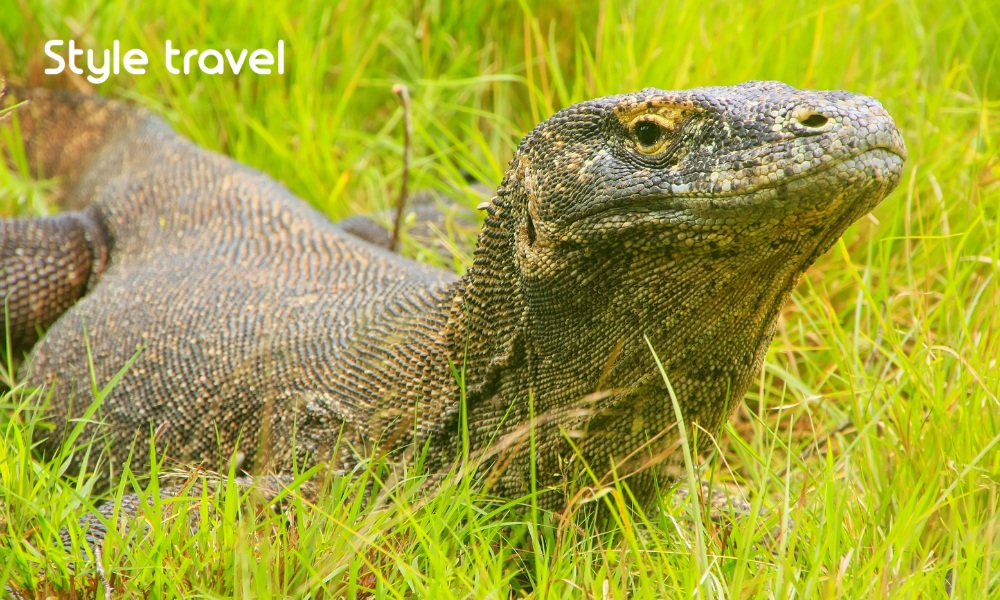
Tour boats leave Labuan Bajo for Komodo National Park every morning, and when you land on Komodo you are paired with a ranger who carries a forked stick to keep the dragons back. The park ticket, about 900,000 rupiah, includes one of three walks. The short one (1.5 km, about 45 minutes) stops at a waterhole where deer, wild boar and dragons come to drink. The medium walk (2 km, about 1.5 hours) climbs a hill for the view, and the long one (4 km, about 2 hours) leaves the crowds behind. With three days and two nights on a liveaboard, you reach Padar and Komodo before the day boats. Dragons are harder to find in June and July, when they move inland to mate. That ranger walk is why Komodo sits near the top of most lists of the best places to visit in Indonesia.
2. Catch sunrise on Mount Batur in Bali
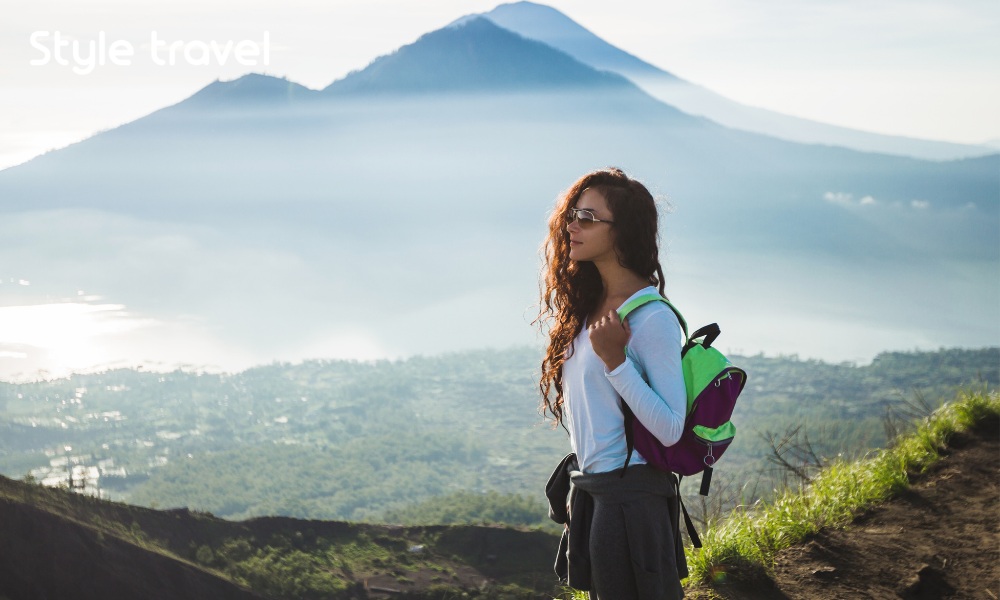
Mount Batur rises 1,717 meters above a lake in northern Bali, and it is the easiest volcano sunrise in the country. You start walking by headlamp between 3:30 and 4 a.m., and the climb takes around two hours. It is cold and windy at the rim while you wait for the sun, so bring a fleece and long pants. The hike fits into almost any Bali trip and pairs well with other things to do in Bali around Ubud.
3. Walk down to Kelingking Beach on Nusa Penida
Kelingking Beach on Nusa Penida, a boat ride from Sanur, is the limestone headland shaped like a T. rex head dipping into the sea. Most visitors stop at the viewpoint on top. If you are fit and wear proper shoes, you can take the steep path down to the sand, with stairs, ladders and bamboo handrails along the ridge. Allow 30 to 60 minutes down and longer to climb back up, and go in the morning while the path is still in shade.

4. Reach Borobudur early, then walk on to Prambanan
Borobudur, near Yogyakarta, is about 1,200 years old and the largest Buddhist temple in the world. Climbing to the upper terraces now runs on timed slots with a daily limit, and you wear the woven upanat sandals handed out at the gate, so book ahead. For the sunrise, go to Punthuk Setumbu hill nearby and watch the temple appear out of the mist. In the afternoon, drive to Prambanan, the tall Hindu complex on the other side of Yogyakarta. Together they are the best known of the old Indonesia temples on Java. Cover your shoulders and knees at both.

5. Dive or snorkel the Coral Triangle
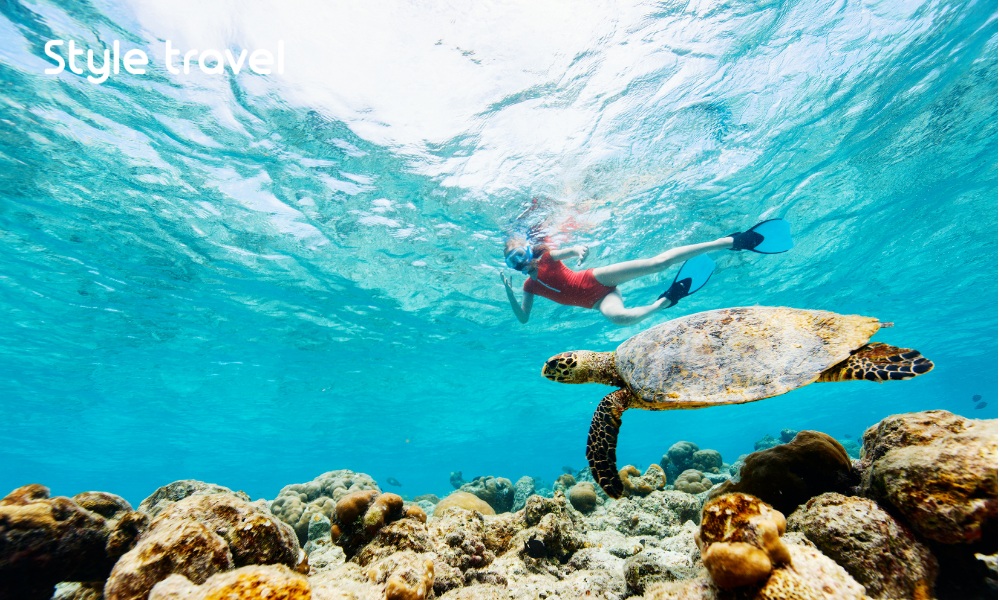
Much of the Coral Triangle, the richest marine area on earth, lies in Indonesian water. Raja Ampat is the most famous dive area, and it suits experienced divers best, though some liveaboards stop at snorkel sites too. Whale sharks show up at Raja Ampat and Wakatobi off Sulawesi. For manta rays, the best known spots are Manta Point off Nusa Penida and Manta Alley in Komodo. If you only want to float over a reef, the Gili Islands have turtles right off the beach.
6. Watch Bromo and Ijen wake up
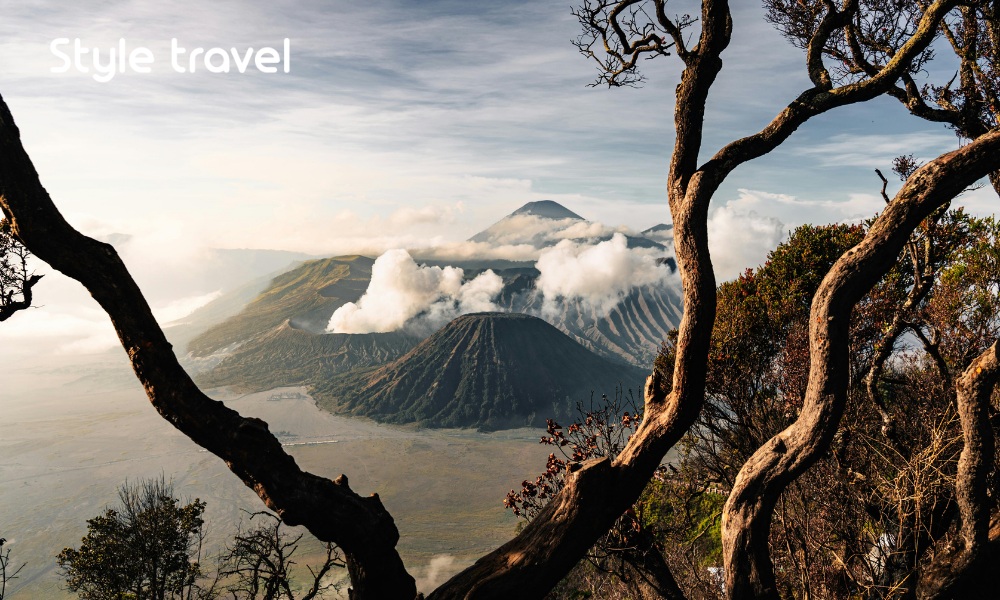
For Bromo in East Java, you are up around 1 or 2 a.m. and ride a jeep to the Penanjakan viewpoint or King Kong Hill to watch the sun come up over the caldera. On a clear night you may see the Milky Way while you wait, and it is cold before dawn, so dress in layers. After sunrise the jeep drops you on the Sea of Sand, the plain of black volcanic sand around the crater. Cross it on foot or on horseback, a walk of up to 45 minutes, then climb about 250 steps to the rim, where the active crater rumbles and white smoke rises from below.
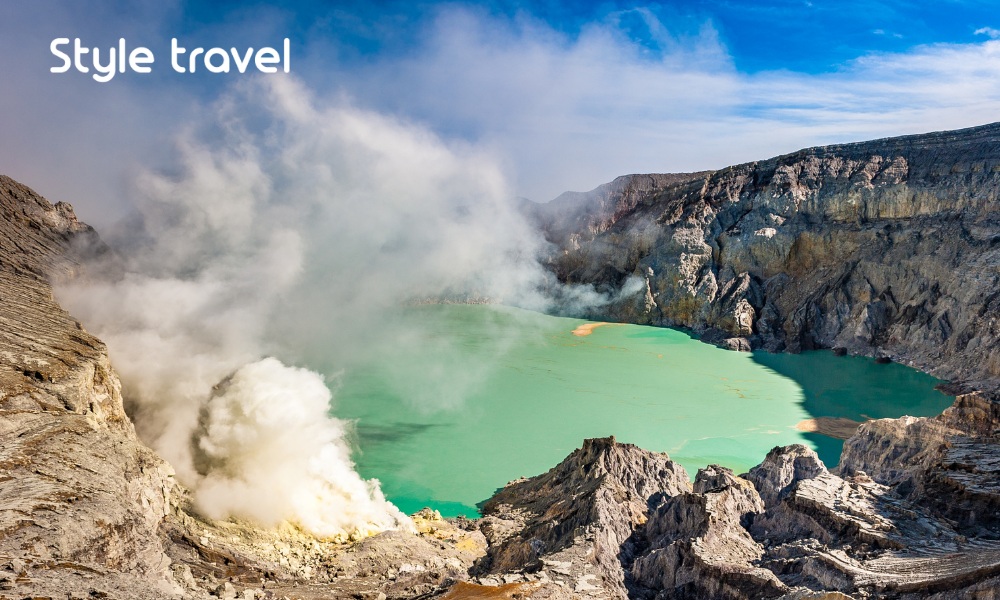
Ijen, 2,799 meters high, is a separate night hike to see blue fire, the flames of burning sulfur inside the crater. Go with an experienced guide on both. If you cannot hike far, Tangkuban Prahu near Bandung is 2,084 meters high and you can drive almost to the rim.
7. Trek to see orangutans in Sumatra
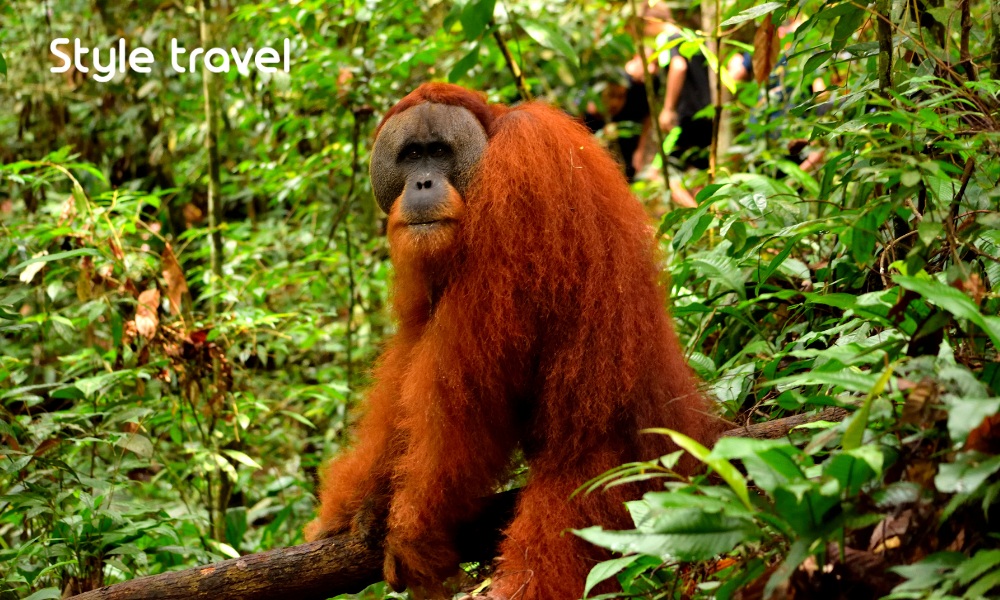
Gunung Leuser National Park in North Sumatra is the best place in the country to see Sumatran orangutans. Base yourself in Bukit Lawang, a small village along the Bohorok River, and walk into the forest with a local guide for a few hours or overnight. Stay a few nights, since the village is pleasant and the apes do not keep a schedule. Kerinci Seblat National Park further south is home to Sumatran tigers, though you are very unlikely to see one.
8. Pick a beach and stay put
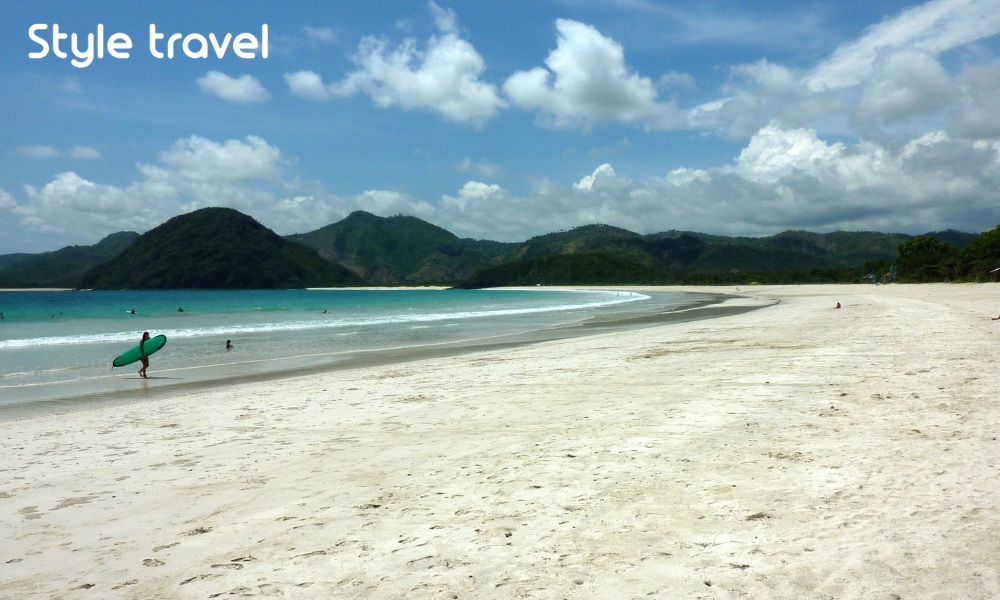
After a few early mornings on volcanoes, plan some slow days on the sand. The white beaches of the Gilis, the surf coves of Uluwatu, the empty bays of south Lombok and the pink sand of Pink Beach Komodo are very different places to spend a day.
Which of the Indonesia beaches suits you depends on whether you want to swim, surf or just read in the shade, so pick one and give it two or three nights.

9. Eat your way through the warungs
Warungs are small family kitchens, and they serve the best food in the country for a few dollars. In 2018 the tourism ministry named five national dishes: soto (soup), rendang (beef slow cooked in coconut and spices), sate, nasi goreng and gado gado (vegetables with peanut sauce). Sate changes from island to island, so order it again on each one. In Bandung, four blocks of Jalan Karapitan turn into a street food market at night. Ask for sambal on the side until you know how hot it is.

10. Surf the quieter breaks
Two hours west of Canggu, Medewi sits on a 20 kilometer black sand beach, far from the crowds of south Bali. On Lombok’s south coast near Kuta, Seger Beach has waves for all levels and Tanjung Aan has surf schools. Further east, Sumba has strong breaks that few people surf.
11. Sail on a phinisi schooner
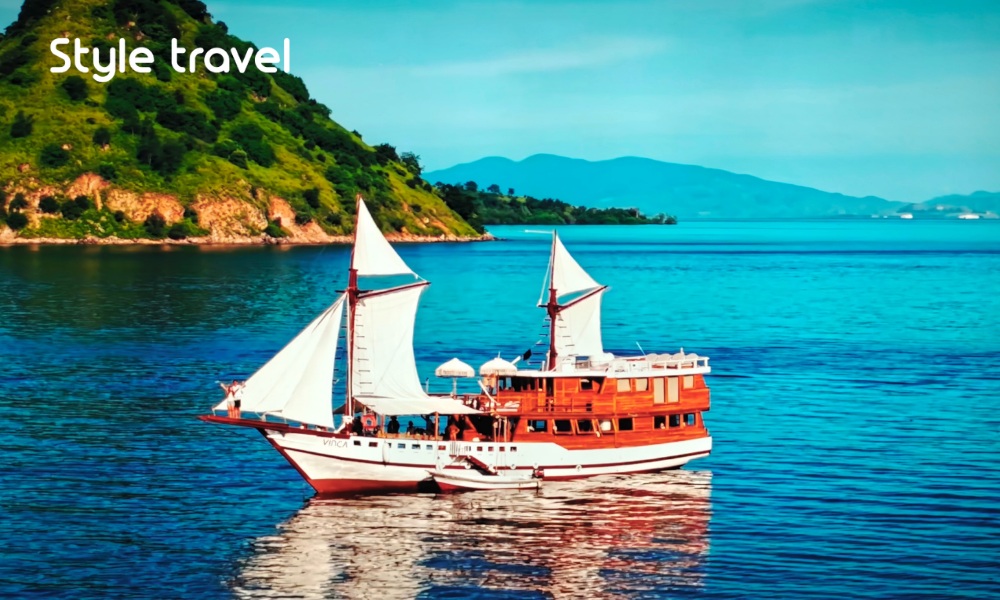
Phinisi are tall wooden sailing boats built by the Bugis and Konjo people of South Sulawesi. Many now carry guests around Komodo, Sumbawa, Maluku and West Papua, and for some remote islands they are the only practical way in. Komodo is the easiest place to start, on a trip of three days and two nights with a cabin on board.
12. Try batik or wayang in Yogyakarta
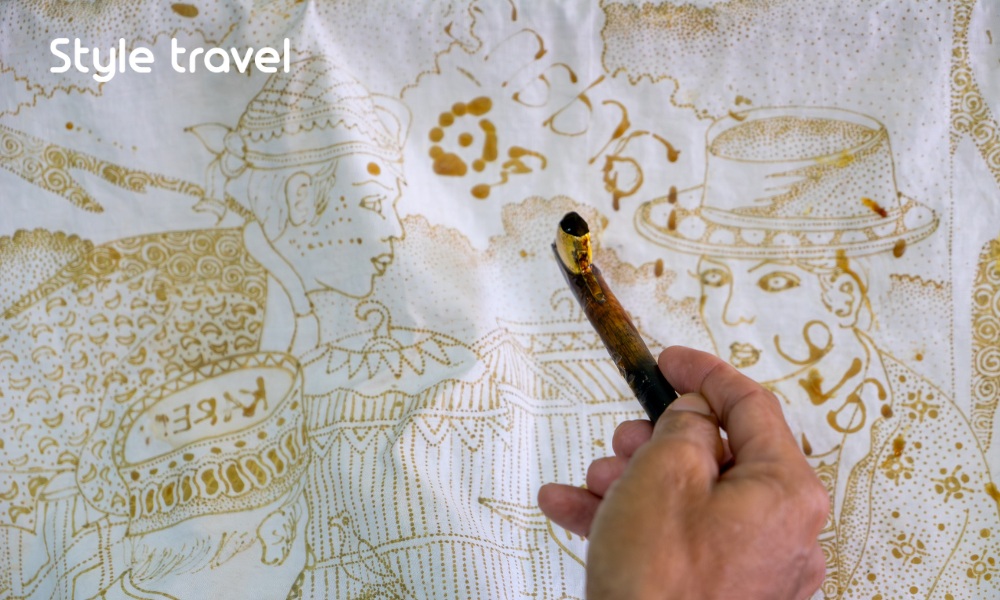
Yogyakarta is the center of classical Javanese arts. Many studios run short batik classes, where you draw on cotton with hot wax and dye the cloth yourself. In the evening, the Sonobudoyo Museum near the sultan’s palace stages wayang kulit, the shadow puppet plays. Village performances can last all night, but the museum show is about two hours.
13. Attend a Torajan funeral with respect
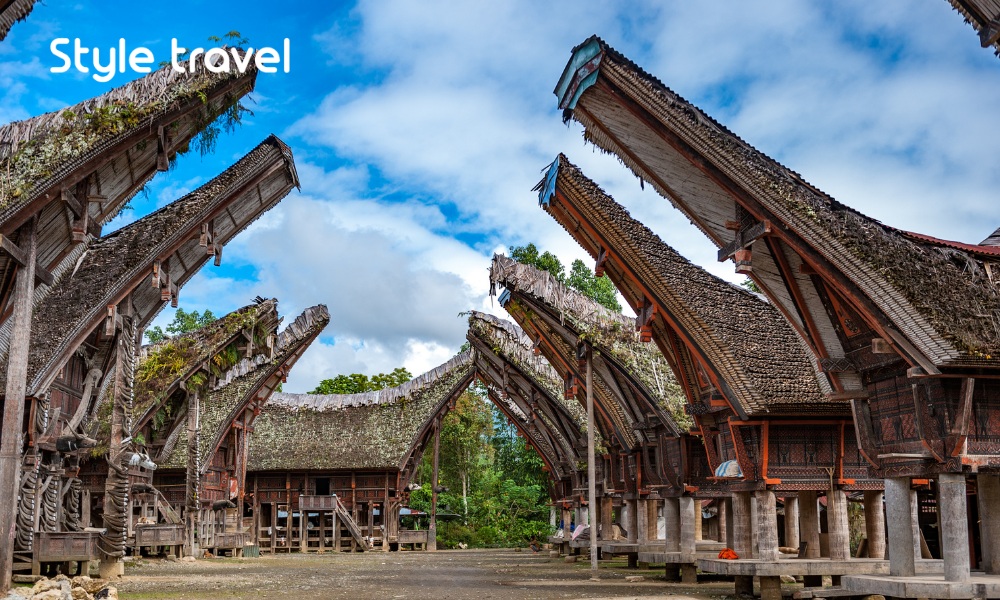
In the highlands of South Sulawesi, Torajan funerals can last several days, and families welcome guests. Go with a local guide, who knows which ceremonies are taking place and how to behave. Wear dark, modest clothes, and ask before you take photos. Funeral season peaks in July and August after the harvest, when hotels in Rantepao fill up. Between ceremonies, visit the cliff graves at Lemo and Londa, which charge 20,000 to 30,000 rupiah and open from 7 a.m. to sunset.
14. Stay in a Batak village on Lake Toba
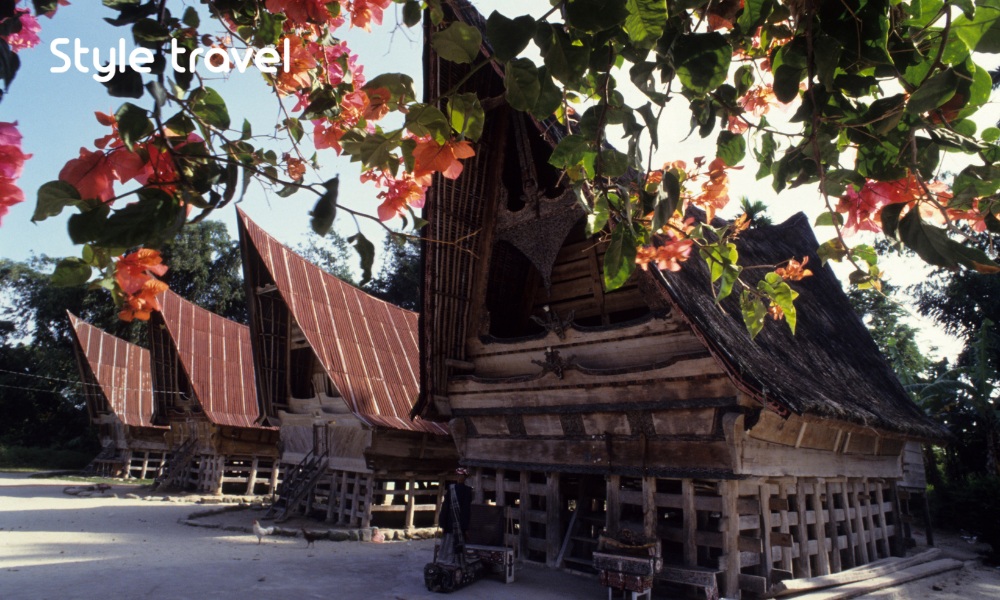
Lake Toba in North Sumatra is the largest crater lake in the world, and Samosir Island in the middle is the largest island on an island. The Batak people who live around it are the main reason to come. Rent a Batak house with a curved roof for a few nights, find the hot springs, and with permission and a Batak guide, climb Pusuk Buhit, their sacred mountain.
15. See the stone tombs of Sumba
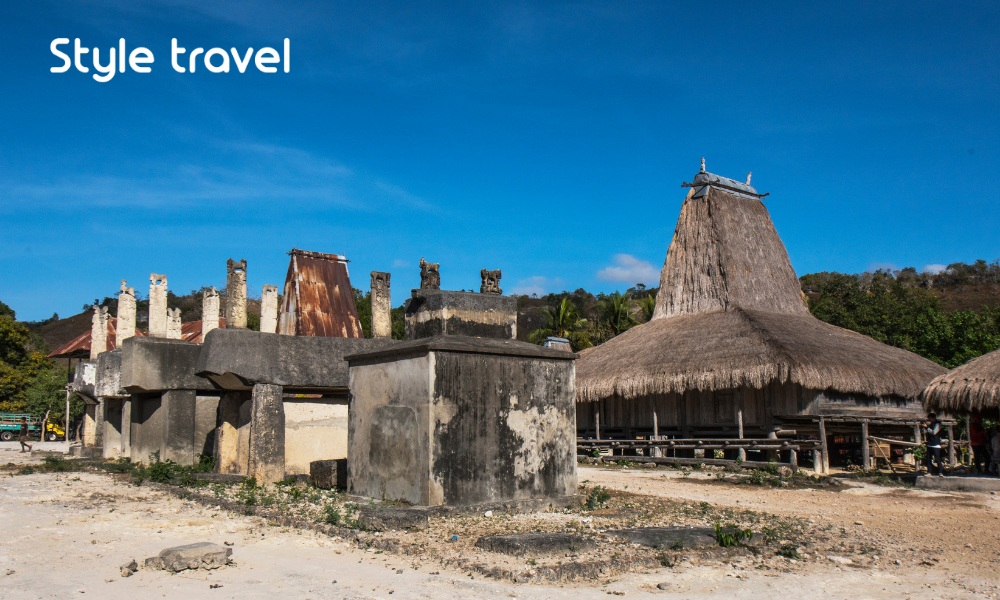
Sumba is twice the size of Bali and gets few visitors. Its villages keep huge stone tombs, some heavier than the largest stones at Stonehenge, that were dragged into place by hundreds of people. Traditional villages cluster around Waikabubak and Waibakul, and a local guide helps, since little Bahasa Indonesia is spoken. If you visit at harvest time, you may see Pasola, a ritual battle on horseback.
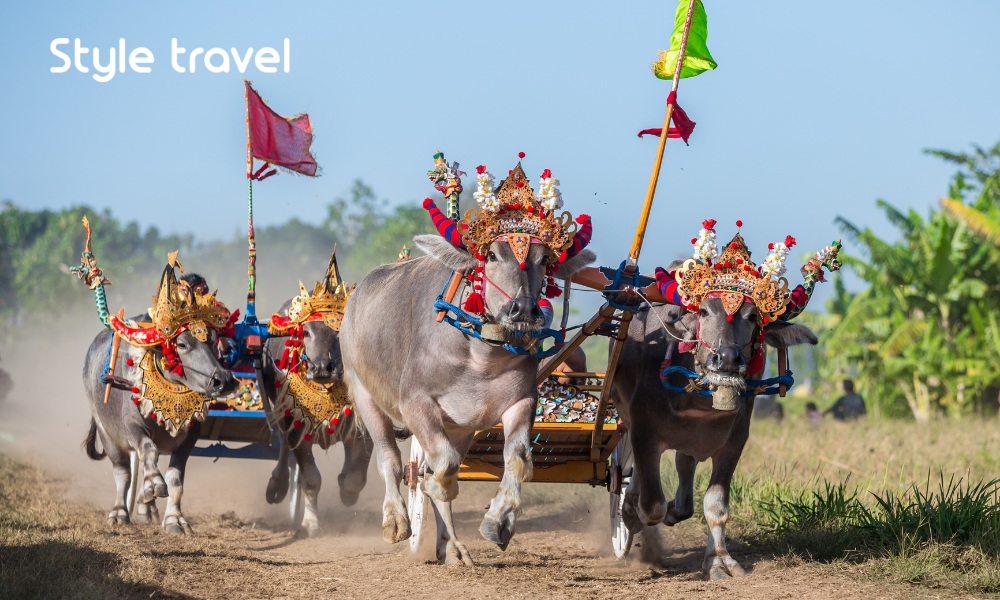
16. Watch buffalo races in West Bali
Around Negara in West Bali, farmers race pairs of water buffalo pulling small chariots across the rice fields. The races, called mekepung, start around 7:30 a.m. on some Sundays in the dry season, usually every other week, and end with a final later in the year. Dates change, so ask your hotel or driver before you go.
Mix and match with Style Travel
Most of these fit into two weeks if you pick one region for each week. Our Indonesia tours already join Bali with Lombok or Yogyakarta, with a private guide, a driver and the domestic flights.
Send us the activities you want most, and Style Travel will build the route around them.


Bali and the small islands around it

Volcanoes, Temples and Old Kingdoms on Java Island

16 Best things to do in Indonesia in 2026

13 Best Places to visit in Indonesia

Pink Beach Komodo on Komodo Island

A Peaceful Escape on Gili Meno

Best things to do on Gili Trawangan Island

Slow Days on Gili Air Island

Gili Islands Guide to Gili Air, Meno and Trawangan