

Two weeks in Indonesia with Bali, the Gilis and Yogyakarta
With 2 weeks in Indonesia you can give Bali a full week, spend two nights on a car free island, and still fly to Java for Borobudur and Prambanan. This plan follows our Spectacular Indonesia tour and adds two days on the Gili Islands to make a full fourteen.
How the two weeks fit together
You land in Bali and stay seven nights, first by the beach in Kuta and then inland in Ubud. A fast boat takes you to the Gilis for two nights, and you come back to Bali for one more night before a short flight to Yogyakarta. Ending in Java means you never backtrack, and international connections from Yogyakarta go through Jakarta, Singapore or Kuala Lumpur. Bali, the Gilis and Yogyakarta are three of the best places to visit in Indonesia, and each one feels very different from the others.
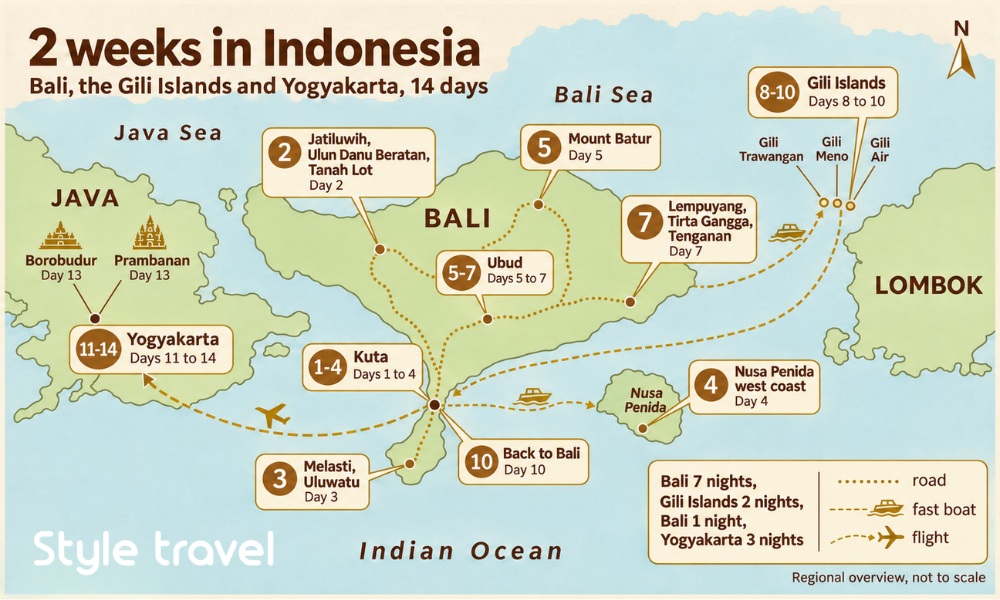
Day 1: Arrive in Bali and settle into Kuta
Kuta is only a short ride from the airport, and nothing is planned for today. Check in, sleep for an hour and walk down to the beach in the late afternoon when the surfers come in and the sky starts to change color.

Day 2: Jatiluwih and two temples by water
Today you leave the coast for the cooler hills of central Bali and come back by the sea at sunset.
Jatiluwih
The terraces at Jatiluwih cover the slopes below Mount Batukaru and are fed by the subak, the old shared water system that earned the area a place on the UNESCO World Heritage List. Jatiluwih is one of the largest Bali rice terraces, and it gets far fewer visitors than Tegallalang near Ubud. Follow one of the marked walking trails and you will soon hear more water than people.

Ulun Danu Beratan
Higher up, Ulun Danu Beratan stands on the edge of Lake Beratan. The temple dates from the 17th century and honors the goddess of the lake, who farmers believe sends water down to fields like Jatiluwih.

Tanah Lot at sunset
The drive ends at Tanah Lot, a temple on a rock just off the coast. Find a spot on the cliffs to the side, where you see the whole rock against the sky as the sun goes down. Visitors cannot enter the temple itself, but at low tide you can cross to the base of the rock. You sleep in Kuta tonight.

Day 3: Melasti beach and the Kecak dance at Uluwatu
The Bukit peninsula in the far south is all limestone cliffs and small white beaches.
Melasti beach
The road to Melasti beach was cut straight through the cliff, so you drive down between tall walls of white rock before the sea opens up in front of you. The water is clear and calm enough for a swim on most days, and there are beach clubs if you want shade and a cold drink.

Uluwatu temple and the Kecak dance
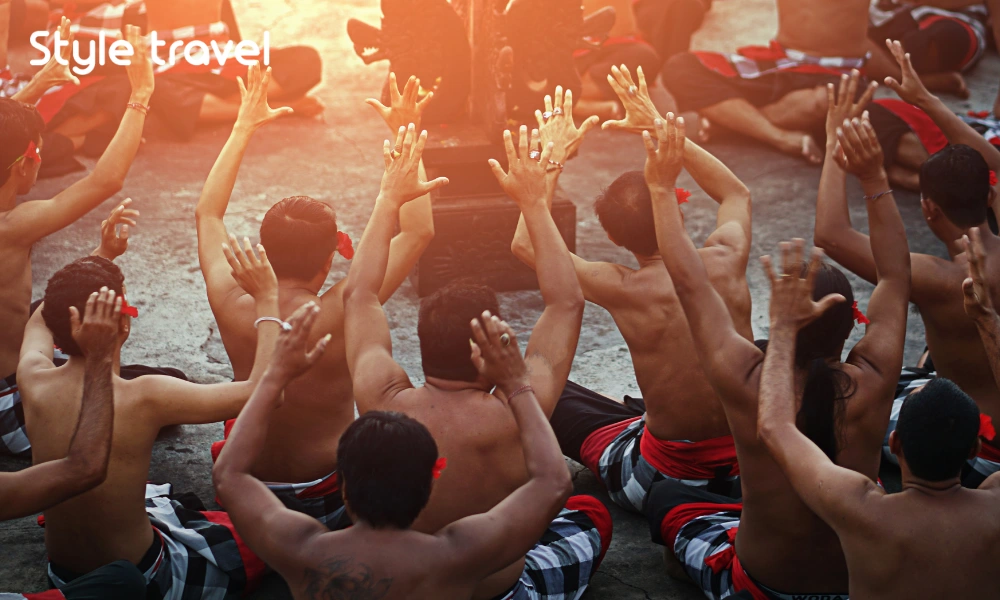
Uluwatu temple sits on a cliff high above the Indian Ocean, and the Kecak dance starts on an open stage nearby as the sun drops into the sea. There are no instruments, only a large circle of men chanting while dancers act out a scene from the Ramayana. Keep your glasses and phone in a closed bag, since the monkeys here know how to grab them.
Day 4: Nusa Penida’s west coast
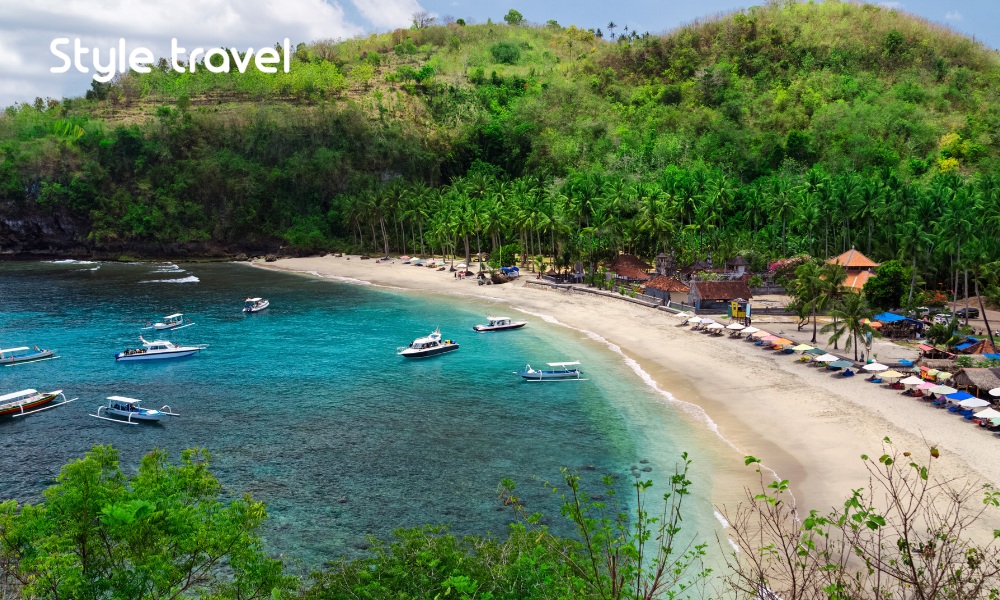
A boat takes you across to Nusa Penida for a day of cliff viewpoints. You visit Kelingking Beach, Broken Beach, Angel’s Billabong and Crystal Bay, then return to Kuta for the night. Our 10 days in Indonesia plan covers the same day in more detail, including the island levy and how long the steep path down to Kelingking takes.
Day 5: Sunrise on Mount Batur and a move to Ubud
Your driver picks you up at about 1:30 in the morning to reach the start of the trail in the dark.
Mount Batur sunrise trek
The walk up Mount Batur takes about two hours in the dark, by headlamp, on loose volcanic gravel. At the top you sit on the crater rim and watch the sun come up over Lake Batur, often with Mount Agung and Lombok’s Rinjani on the horizon. Bring a warm layer, because it is cold up there before dawn.

Hot spring by Lake Batur
After the descent you soak in a natural hot spring on the shore of Lake Batur, with the volcano you just climbed right above you. A traditional Balinese massage follows, and in the late afternoon you check in to your hotel in Ubud.

Day 6: A Balinese cooking class and Ubud’s center
Everything today is in or near the center of Ubud.
Cooking class
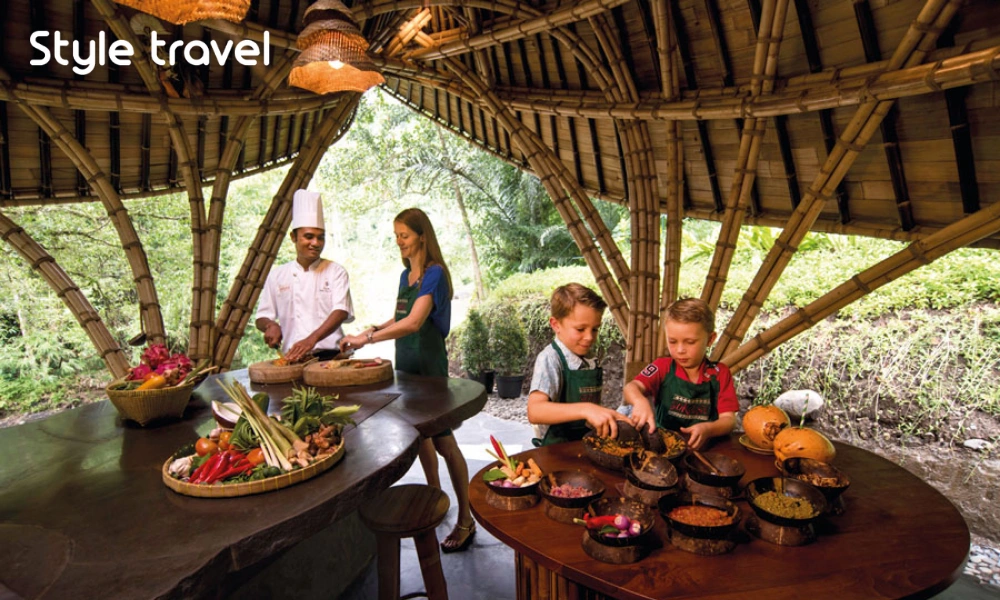
A local cook shows you how to make Balinese dishes from scratch, starting with the spice paste called base genep that goes into much of the island’s food. You eat what you cooked for lunch.
Monkey Forest
The Sacred Monkey Forest Sanctuary is a patch of jungle in the middle of town, home to hundreds of long tailed macaques and three old temples covered in moss. Do not bring food in, and do not look the big males in the eye.

Ubud palace and art market
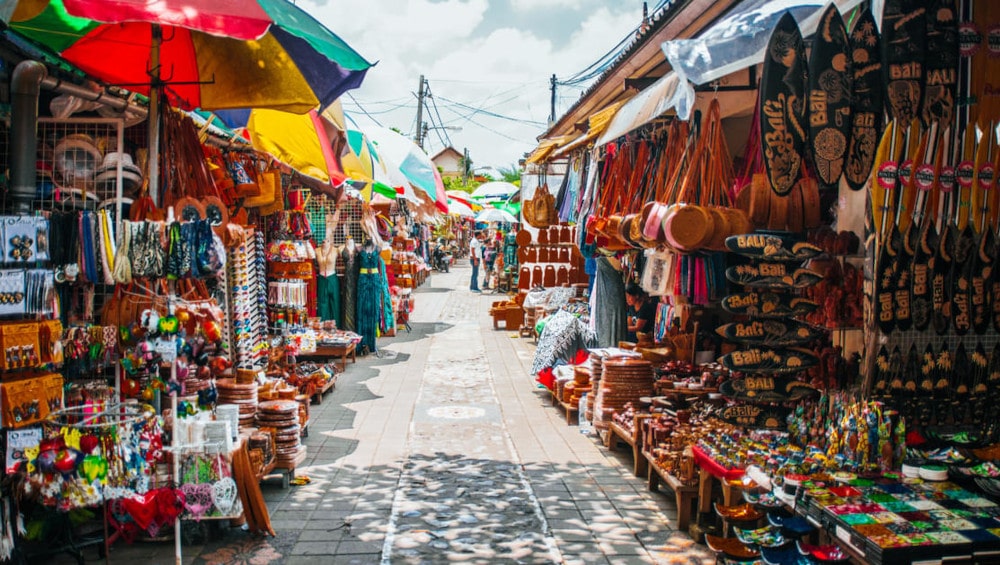
Puri Saren Agung, the Ubud royal palace, still belongs to the royal family, and its courtyard hosts dance performances most evenings. Across the road, the Ubud Art Market sells sarongs, baskets and wood carvings. Bargain with a smile and expect to settle well below the first price.
Day 7: East Bali, from Lempuyang to Tenganan
The east of Bali is drier and quieter than the south, and Mount Agung watches over the whole day.
Lempuyang temple
At Lempuyang temple a split stone gate frames Mount Agung, and this is the famous Gates of Heaven photo. You will wait in a queue for your turn, so go early. If you have the energy, the rest of the temple climbs much higher up the mountain on a long flight of steps.

Tirta Gangga
Tirta Gangga was built as a water garden for the king of Karangasem in the middle of the last century. You can step across the ponds on stone blocks, past fountains and statues, with koi gathering wherever someone drops food.

Tenganan village
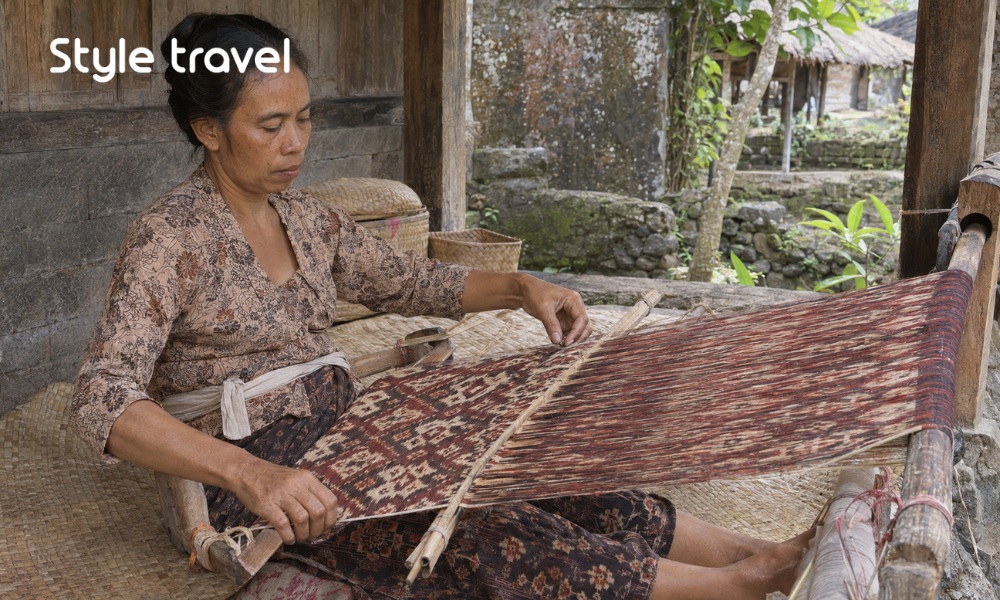
The walled village of Tenganan belongs to the Bali Aga, who kept their own customs when the rest of Bali changed. Families here still weave geringsing, a double ikat cloth that is rare anywhere in the world. You sleep in Ubud again tonight.
Day 8: Fast boat to the Gili Islands
After breakfast you drive to the harbor for the fast boat to the Gili Islands, off the northwest coast of Lombok. There are no cars or motorbikes on the islands, so you get around on foot, by bicycle or in a small horse cart. Spend the afternoon on the sand and watch the sun set over Bali’s Mount Agung across the water.

Day 9: Snorkeling off Gili Meno and Gili Air
A boat takes you out for a full day in the water. In the morning you snorkel straight from the boat off Gili Meno, where green turtles often feed on the reef. After lunch the boat stops at Gili Air, and the fish come so close when the crew hands out food that they brush against your mask. Wear reef safe sunscreen and a shirt, since the sun is strong on the water.

Day 10: Back to Bali for a slow evening
The fast boat brings you back to Bali, and the rest of the day is free. After a busy first week and two days in the sun, this is a good evening for an early dinner and a short walk, because tomorrow you change islands again.
Day 11: Fly to Yogyakarta
The morning is yours until the transfer to the airport for the short flight to Yogyakarta. Most people in Bali are Hindu, while most people in Yogyakarta are Muslim, and the city still has a sultan. You will hear the call to prayer soon after you land.
Day 12: The Kraton and Taman Sari
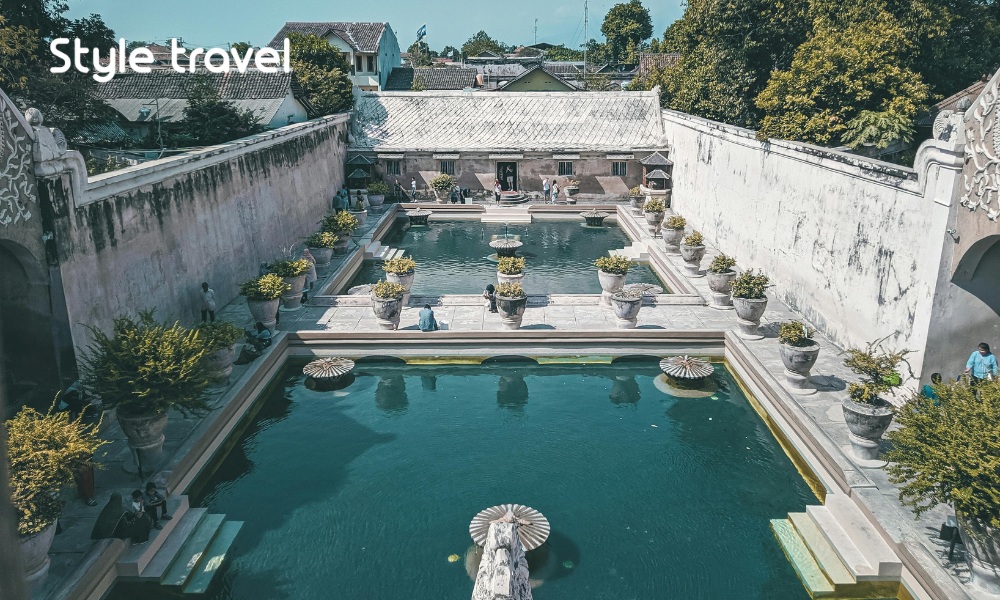
The Kraton is the palace of the sultan of Yogyakarta, and its halls are laid out to mirror the Javanese idea of the cosmos. A short walk away, Taman Sari was the royal water castle, with bathing pools and an underground mosque reached through tunnels. The afternoon is free for Malioboro Street or a cup of Javanese coffee.
Day 13: Borobudur and Prambanan
Today you see the two great temples of central Java, one Buddhist and one Hindu, both built in the 9th century.
Borobudur
Before you walk around Borobudur, you see it from a hill nearby, a dark stone mountain rising out of green fields and palm trees with volcanoes behind it. Up close you find the carved panels that run around each terrace and tell stories from the life of the Buddha.

Prambanan and Sewu
At Prambanan you start with the tall shrines of the Loro Jonggrang group, then walk through the park to Sewu, a large Buddhist temple that gets far fewer visitors. It is quiet there, and you can see how the two faiths built side by side in the same valley.

Day 14: Fly home from Yogyakarta
The last morning is free for a walk or some batik shopping before the transfer to the airport. Yogyakarta is known for batik, so leave some space in your bag.
The dry season and the sea set the plan
- The dry season from April to October is the best time for this route. July and August are the busiest months, so book the Gili hotels early.
- Fast boats to the Gilis do not run when the sea is too rough, so the plan leaves the evening after the crossing back to Bali free in case the boat runs late.
- Bali charges every foreign visitor a tourist levy of IDR 150,000, which you pay online before you arrive.
- Cover your shoulders and knees for temples, and carry a sarong for Uluwatu, Lempuyang and Ulun Danu Beratan.
- The domestic flight from Bali to Yogyakarta is part of the tour. Your international flights are not.
If you would rather skip Java, our 2 week Bali itinerary keeps the whole trip in Bali, with Lombok and the Gilis near the end.
Let Style Travel run your two weeks
This route is built on our Spectacular Indonesia tour, which includes hotels, the flight to Yogyakarta, a private car and an English speaking guide. The two Gili days are added from our Bali and Lombok tour.
Send your dates to Style Travel, and we will price the full fourteen days and change the pace to suit you.


Toraja, reefs and tarsiers on Sulawesi

Two weeks in Indonesia with Bali, the Gilis and Yogyakarta

10 days in Indonesia with Bali and Yogyakarta

Bali and the small islands around it

Volcanoes, Temples and Old Kingdoms on Java Island

16 Best things to do in Indonesia in 2026

13 Best Places to visit in Indonesia

Pink Beach Komodo on Komodo Island

A Peaceful Escape on Gili Meno