

The 15 best Indonesian desserts to try at markets and carts
Indonesian desserts are sweets built on coconut milk, palm sugar, pandan and rice flour. Most are snacks you buy at markets, roadside carts and night stalls. Here are 15 to try, with what each one tastes like and where you are most likely to find it.
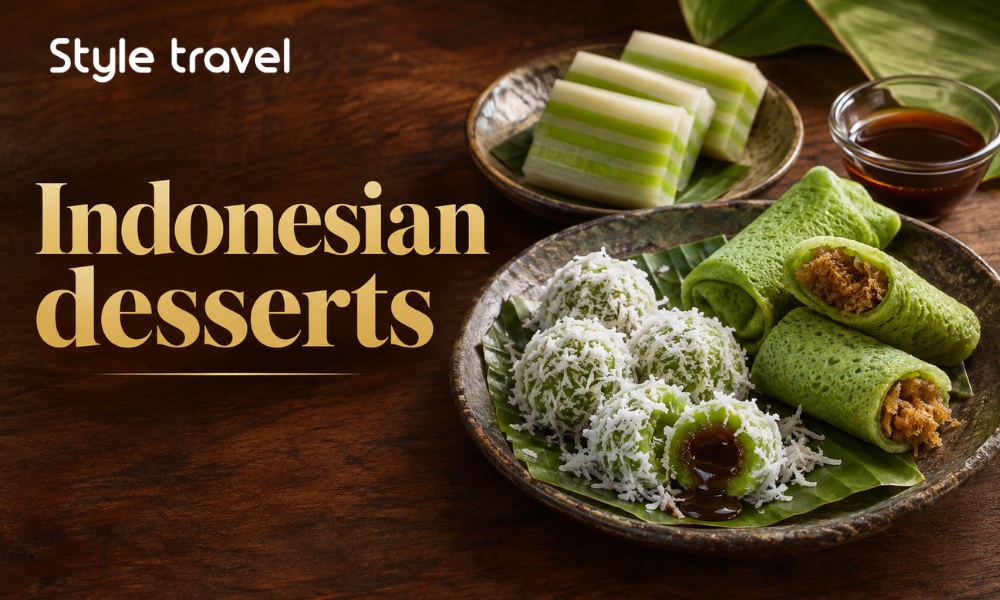
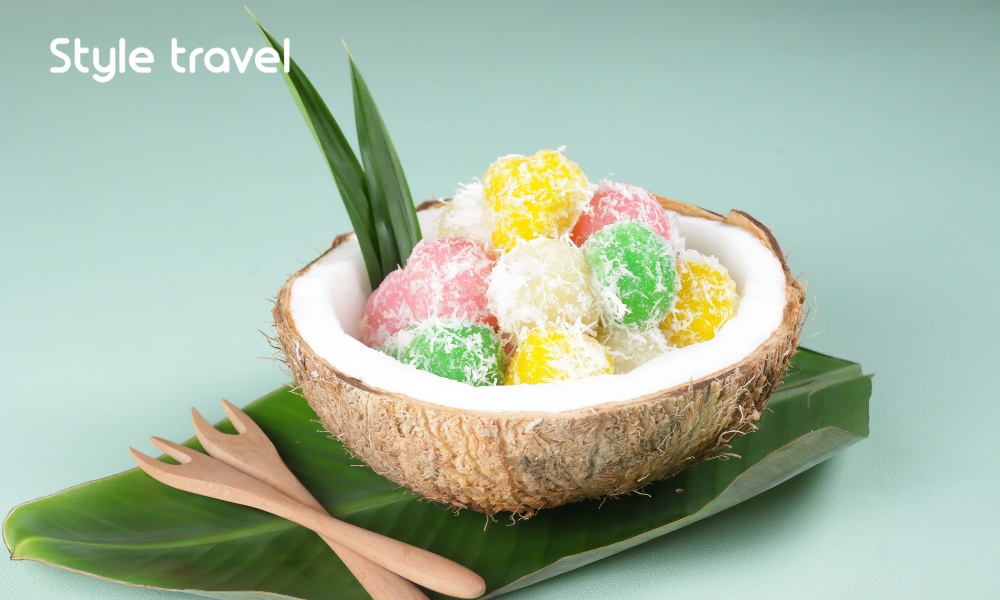
1. Klepon, the rice ball that bursts with palm sugar
Klepon is a chewy green ball of sticky rice flour colored with pandan, rolled in fresh grated coconut. Inside is a core of liquid palm sugar that floods your mouth when you bite down, so eat the whole ball at once. It is one of the best known market snacks in Indonesian food, and vendors sell it early in the morning.
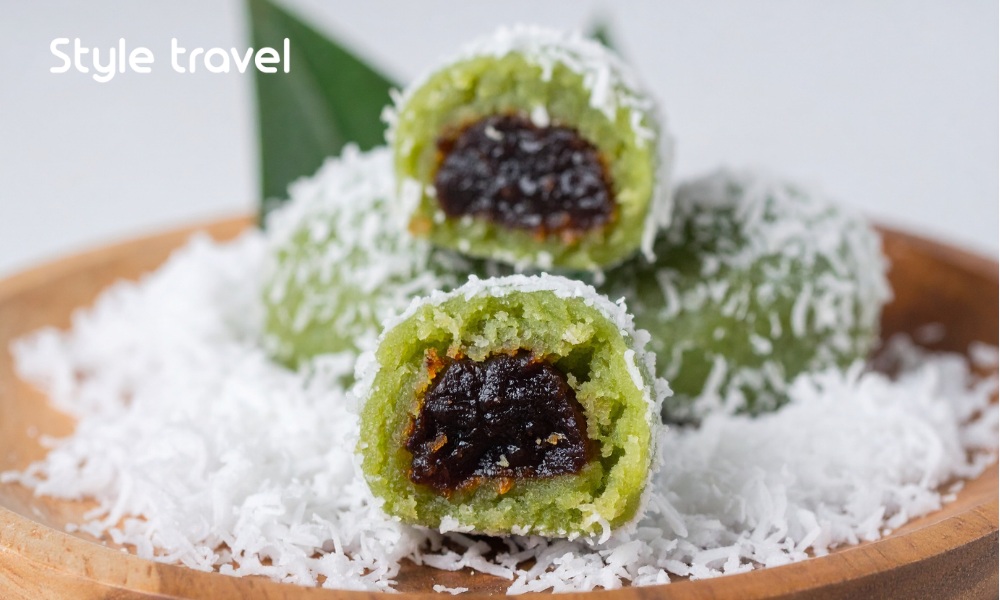
2. Nagasari, banana steamed inside a rice-flour cake
Nagasari is a soft cake of rice flour and coconut milk with a slice of banana tucked in the middle, wrapped in a banana leaf and steamed. Unwrap it and you get a smooth, mildly sweet bite with a gentle coconut smell. Traditional markets across Java and other islands sell it, and it also turns up at weddings and family gatherings. Pick it if you like your sweets soft and not too sugary.
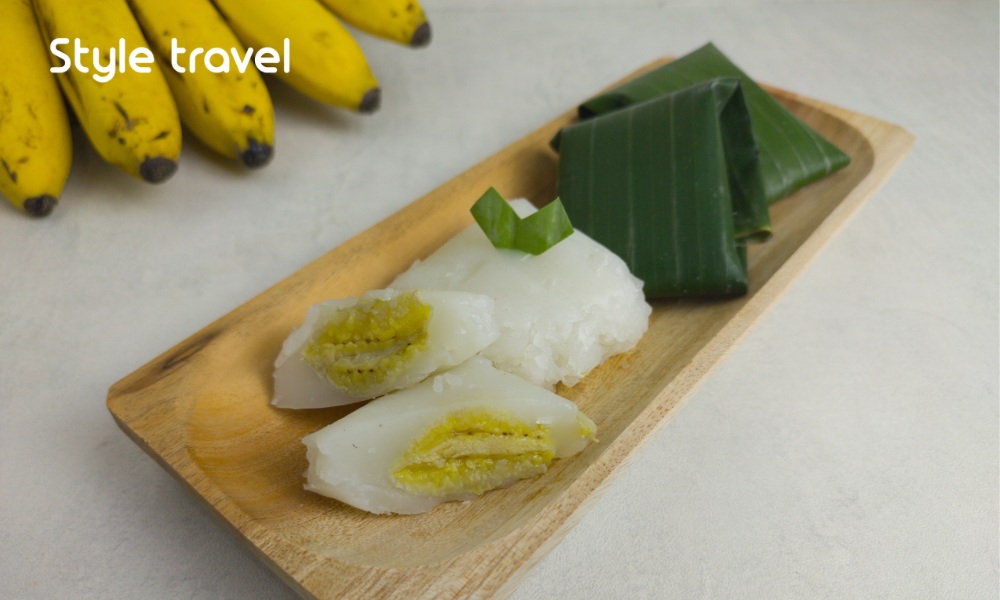
3. Martabak manis, the thick pancake sold after dark
Martabak manis sits somewhere between a pancake and a crepe. The cook pours batter on a large hot pan, spreads it with fillings such as chocolate, cheese, condensed milk or crushed peanuts, then folds it in half. The outside turns crisp while the inside stays soft and a little gummy. Many places call it terang bulan, or “bright moon.” Vendors usually open at sunset, so this is a dessert Indonesian food carts serve after dark.
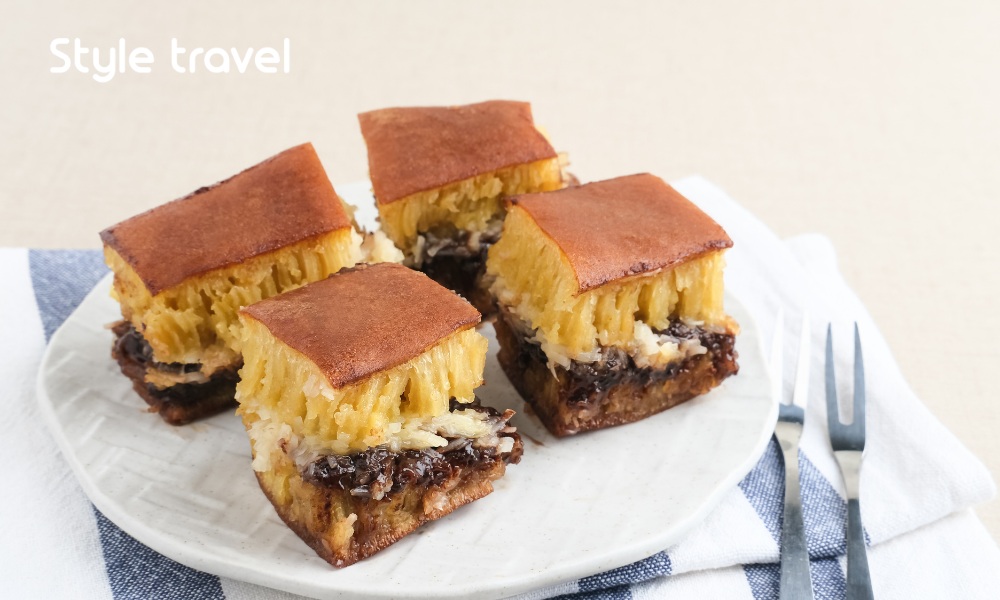
4. Es teler, a fruit bowl for hot afternoons
Es teler piles avocado, jackfruit and young coconut into a bowl, then adds shaved ice and sweetened condensed milk. The avocado makes it creamy, the jackfruit adds sweetness and the coconut keeps it fresh. You eat it with a spoon. You can find it at dessert shops, food courts and street stalls in Jakarta and other cities. If you do not like very sweet drinks, ask for less condensed milk.
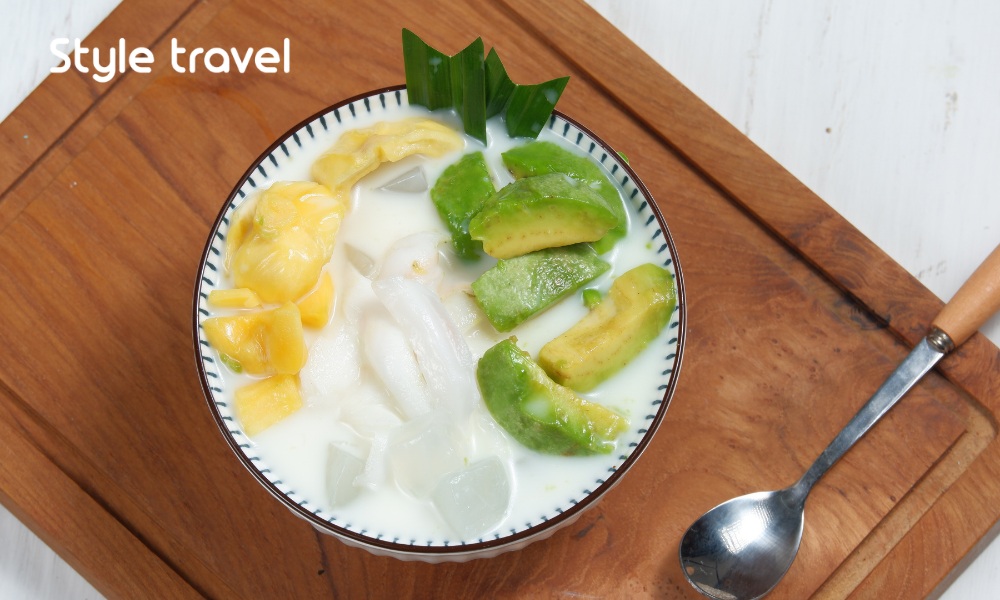
5. Kolak, the sweet soup of Ramadan evenings
Kolak is a dessert Indonesian families cook from bananas, sweet potato, coconut milk, palm sugar and pandan leaves. It is soft and fragrant, and you can eat it warm or chilled. It is most popular in the month of Ramadan, when many families break the fast with it. If you travel then, look for the afternoon takjil markets, where vendors sell kolak next to other snacks and drinks.
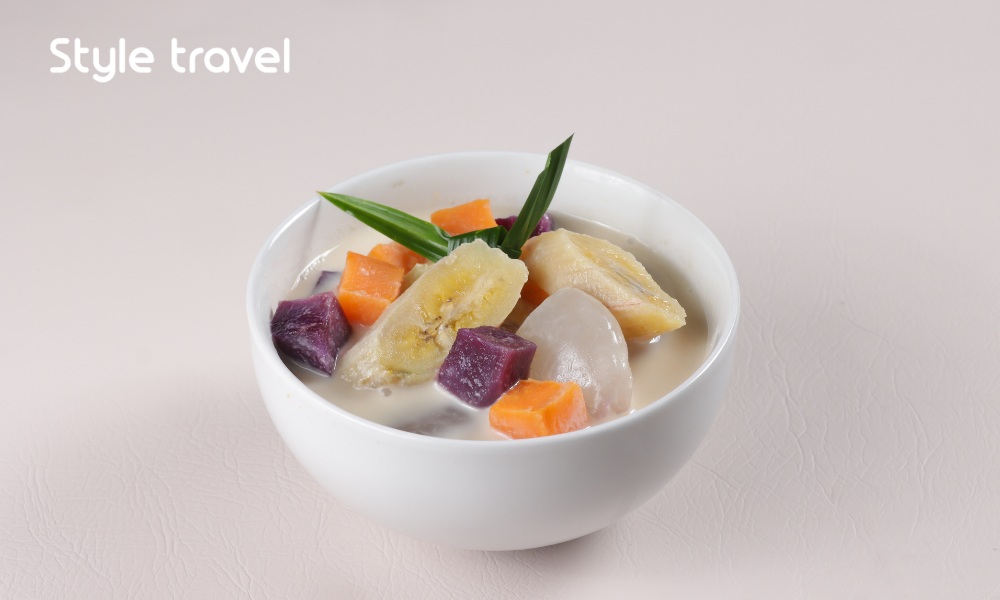
6. Cenil, chewy and colorful from Java’s markets
Cenil comes as small, bright pink, green and white pieces made from tapioca or another starch. It tastes mild on its own, so it is served with fresh grated coconut and a drizzle of palm sugar syrup, and some vendors thread it on skewers. What you notice most is the chew. Look for it in traditional markets in Yogyakarta, Solo and other parts of Java island, where it is often sold beside other snacks so you can try several textures in one go.
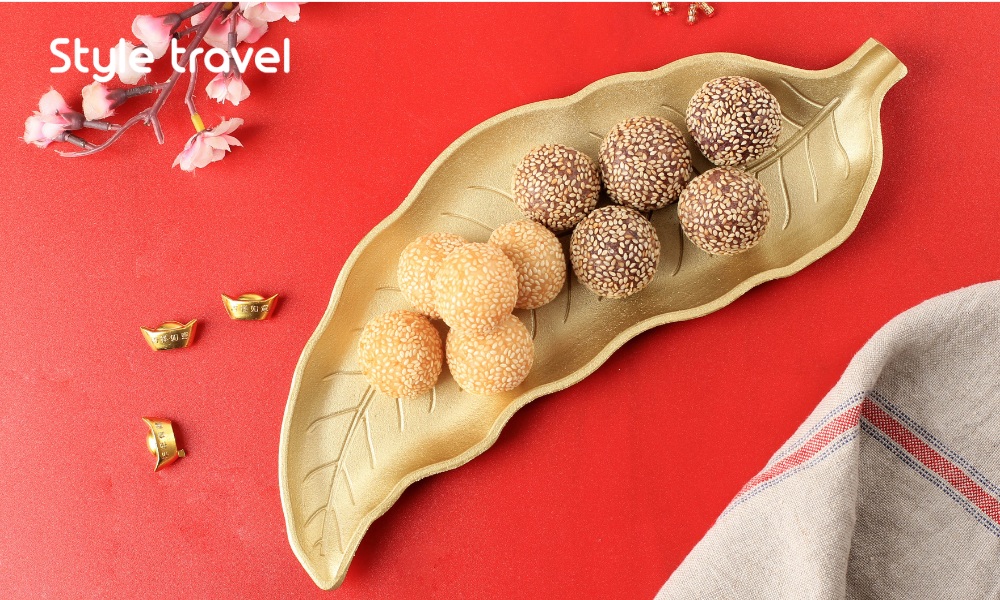
7. Onde-onde, sesame balls with a sweet filling
Onde-onde are fried balls of sticky rice flour covered in sesame seeds, with a sweet filling inside. The shell is chewy and the seeds add a toasty crunch. You will see them in markets and snack shops in many parts of Indonesia.
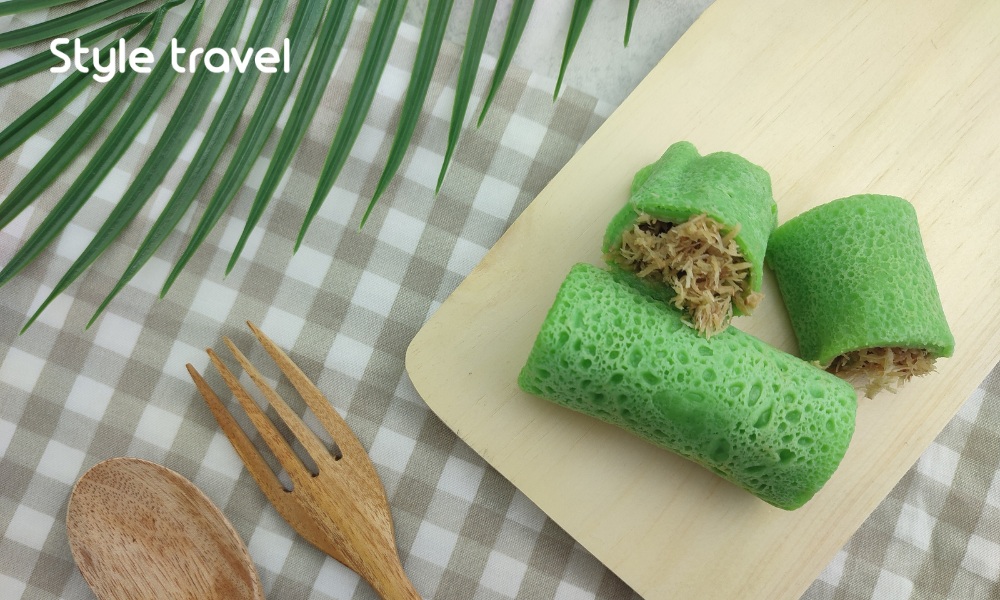
8. Dadar gulung, the green crepe rolled around coconut
The name means “rolled omelet,” but dadar gulung is a thin pandan crepe, rolled around sweet grated coconut cooked with palm sugar. It is easy to spot because of its bright green color. You can find it in traditional markets, often on the same tray as klepon.
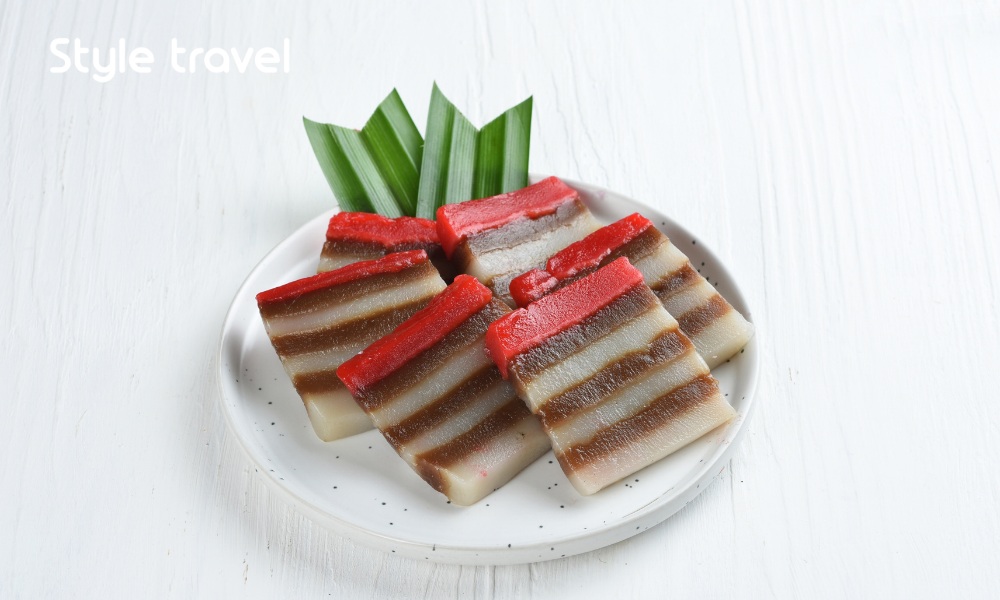
9. Kue lapis, the layered rice cake
Kue lapis means “layered cake.” It is made from rice flour, coconut milk and sugar, and the layers come in different colors. The texture is thick, soft and a little jelly-like. Markets and snack stalls sell it by the piece.
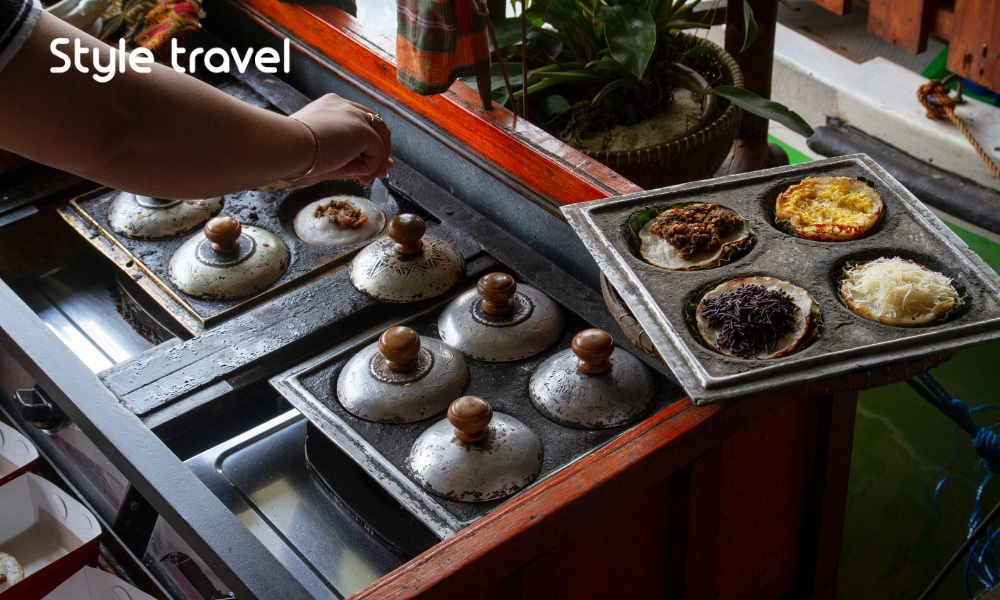
10. Serabi, pancakes cooked over charcoal
Serabi is a small pancake of rice flour and coconut milk, cooked in a bowl-shaped pan over a charcoal fire. The bottom turns dry and crisp while the top stays soft and juicy. The classic topping is grated coconut with a sprinkle of sugar, though vendors now offer many others. It comes from Surakarta (Solo) in Central Java.
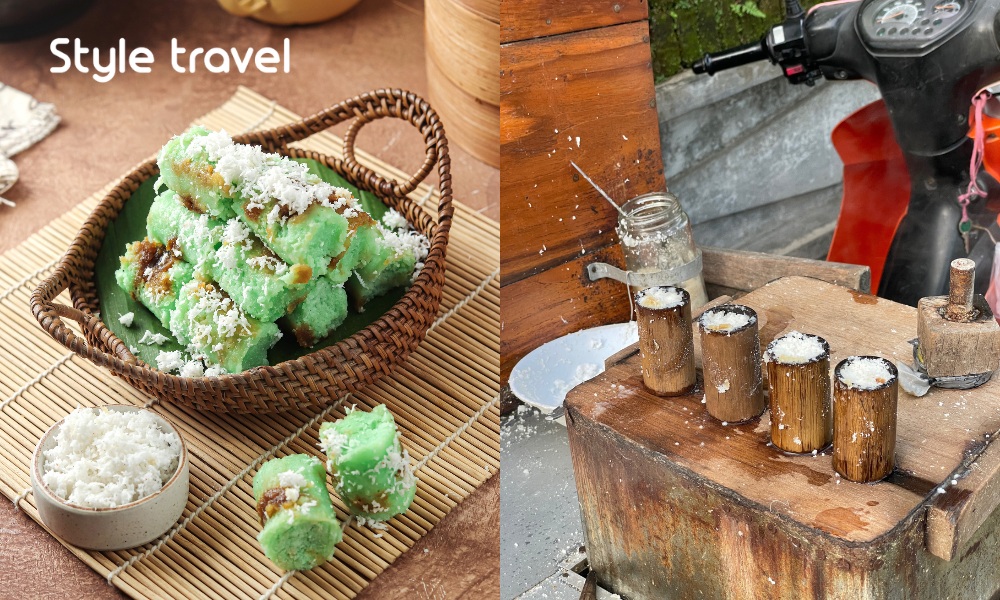
11. Kue putu, the steamed cake that whistles
Kue putu is a tube-shaped cake of rice flour filled with palm sugar and topped with grated coconut. The mixture is steamed in bamboo tubes, and the steam makes a whistling sound, so you can often hear a vendor before you see one. It comes green, scented with pandan, or white. It tastes best hot, straight from the steamer.
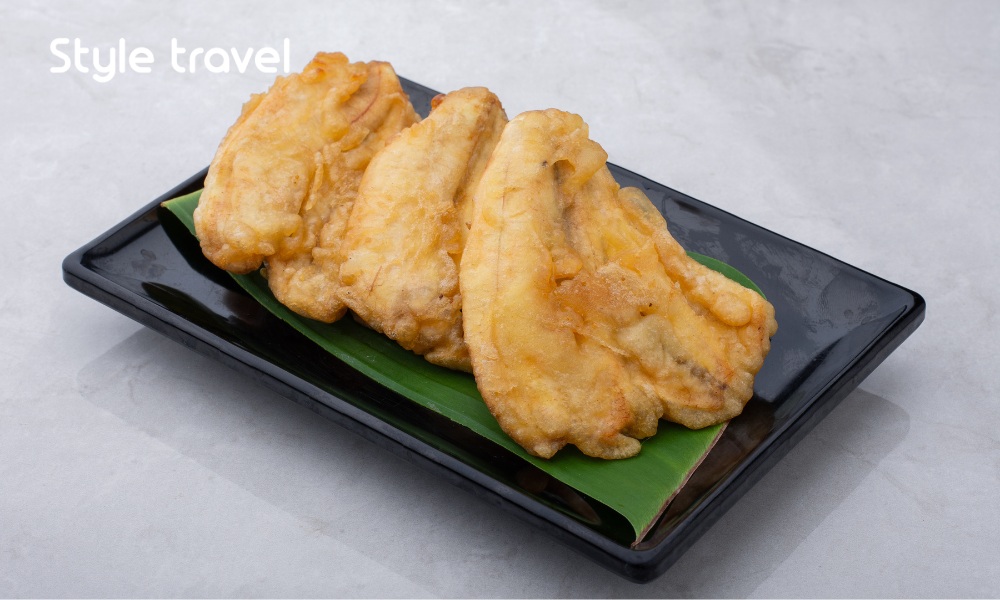
12. Pisang goreng, fried bananas from carts to cafes
Pisang goreng is battered, deep fried banana, and you find it in every region, from street vendors and small warungs to cafes that serve fancier versions. The best ones use ripe Pisang Ambon or Pisang Raja bananas. Eat it warm, and if you order the cheese version, pisang keju, eat it right away so the cheese on top is still melted.
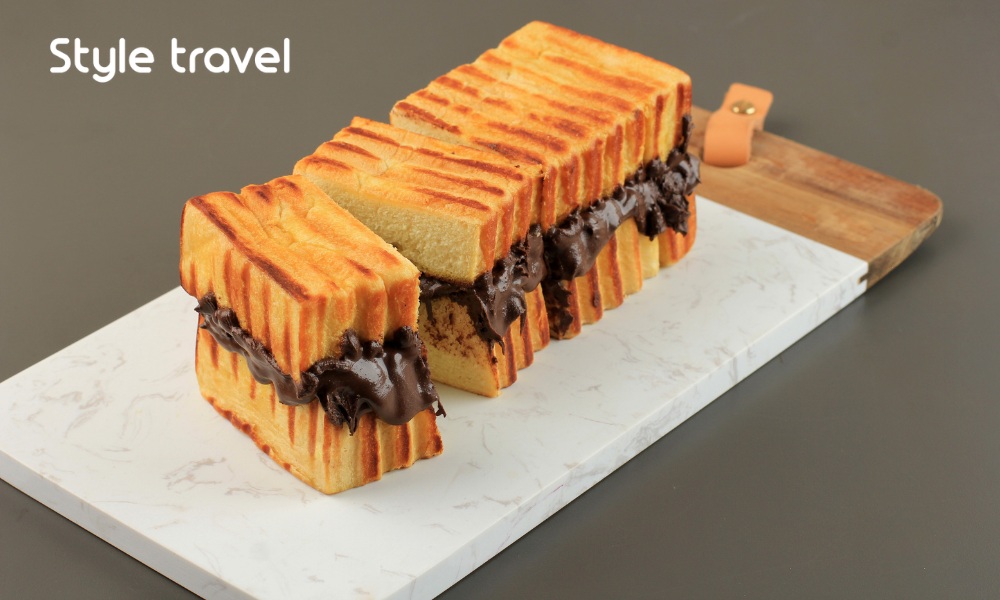
13. Roti bakar, toast that works at breakfast too
Roti bakar means “grilled bread.” Vendors toast two long slices and spread them with sweet or savory toppings. Chocolate, nuts and cheese make it a quick dessert, while the savory versions work as breakfast. Street vendors sell it in cities across Indonesia.
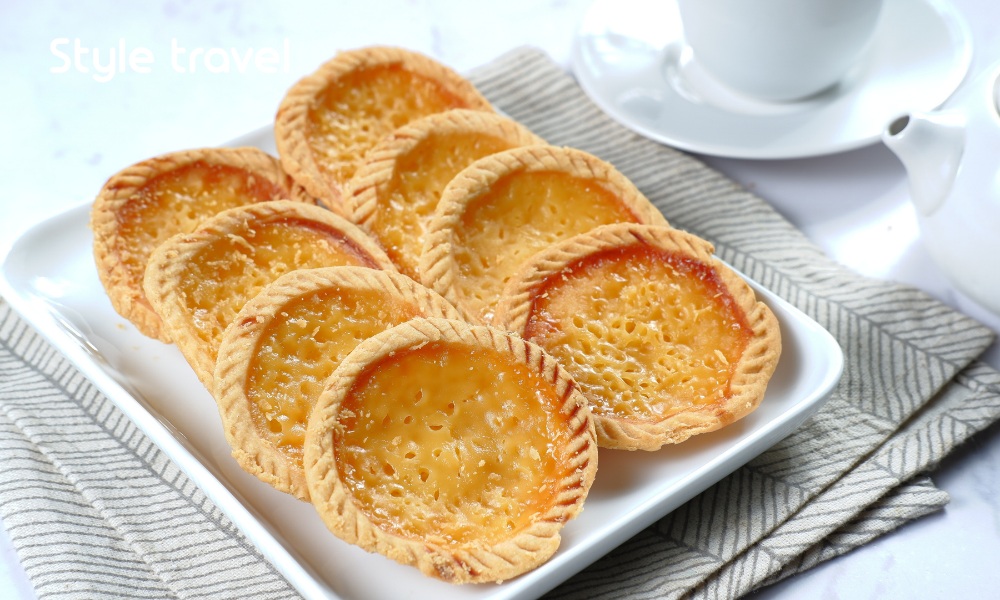
14. Pie susu, the custard tart travelers take home
Pie susu means “milk pie.” It is a thin pastry shell holding a custard of condensed milk and egg yolk, sometimes flavored with vanilla or pandan. In Bali the souvenir version is bite sized, sold in boxes of ten, so you can finish a box quickly. It is one of the easiest gifts to bring home once you have finished the things to do in Bali on your list.
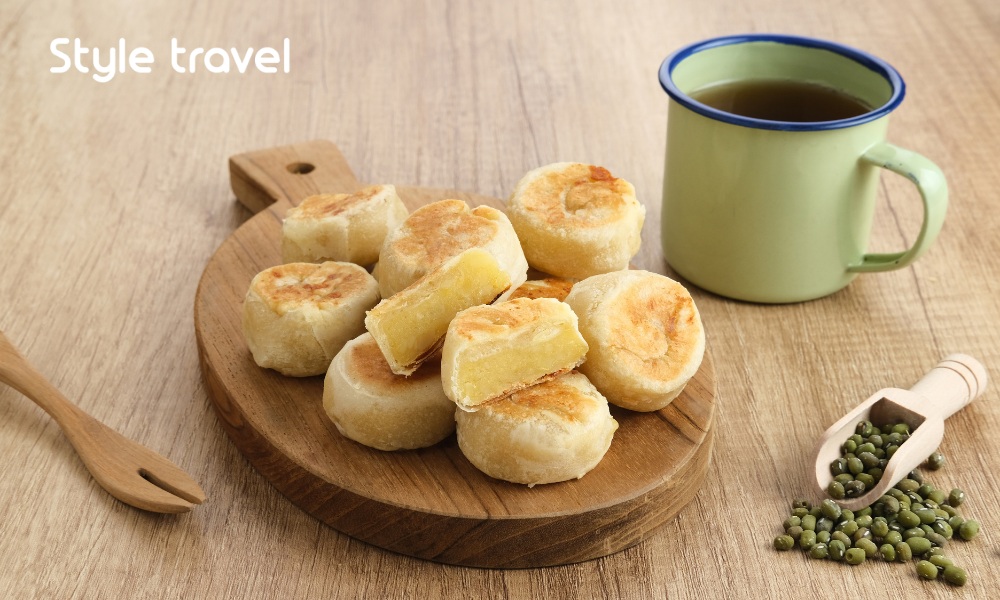
15. Bakpia, Yogyakarta’s pastry sold by the box
Bakpia has a thin, flaky shell around a filling that is usually sweet mung bean paste, though chocolate and cheese versions are common. It is small and comes in boxes, which makes it an easy gift. The best known type is Bakpia Pathok, named for the neighborhood in Yogyakarta where it is made.
Eat your way through Indonesia with Style Travel
Most of these sweets are easiest to find in Java and Bali, so you can try several in one outing. Indonesian food desserts also change from island to island, so the list above is only a start. Our Indonesia tours include time in Bali and Yogyakarta, where many of these sweets are sold.
Tell Style Travel which places you want to see, and we will shape the route around them.


The 15 best Indonesian desserts to try at markets and carts

The Maluku islands, home of nutmeg and cloves

Toraja, reefs and tarsiers on Sulawesi

Two weeks in Indonesia with Bali, the Gilis and Yogyakarta

10 days in Indonesia with Bali and Yogyakarta

Bali and the small islands around it

Volcanoes, Temples and Old Kingdoms on Java Island

16 Best things to do in Indonesia in 2026

13 Best Places to visit in Indonesia