
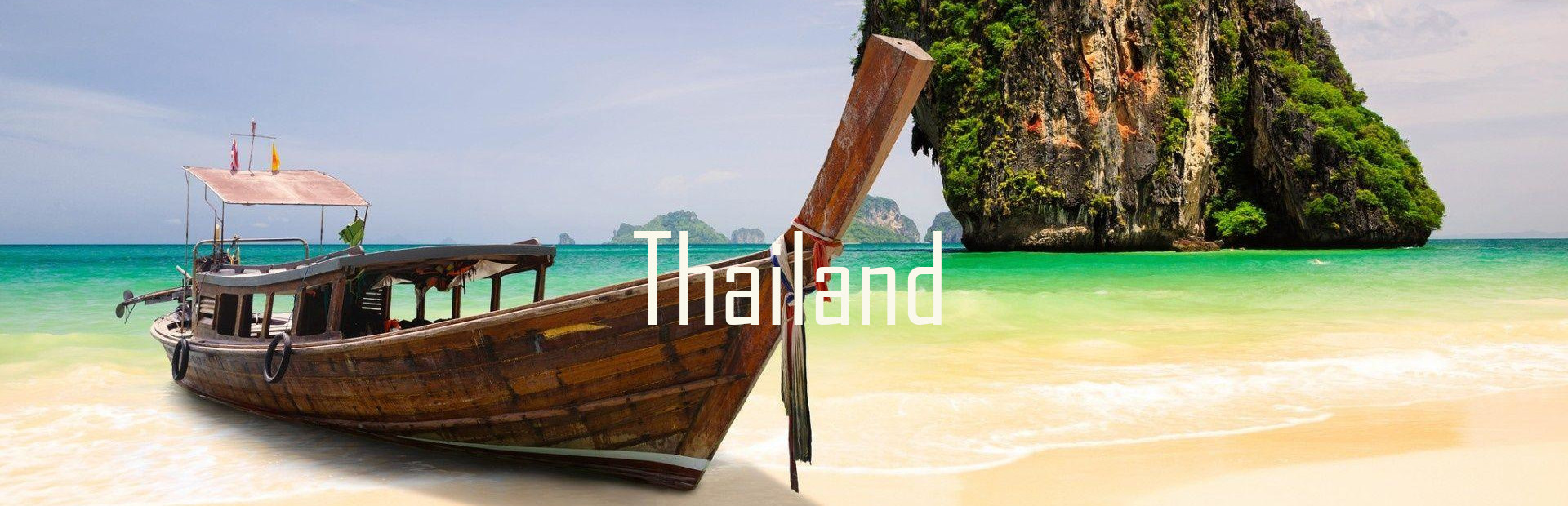
15 UNESCO World Heritage Sites in Southeast Asia
Southeast Asia is a region of extraordinary diversity, where ancient civilizations, vibrant cultures, and breathtaking natural wonders come together to create unforgettable travel experiences. Home to some of the world’s most remarkable UNESCO World Heritage Sites, it offers everything from magnificent temple complexes and centuries-old historic towns to spectacular national parks and dramatic island landscapes. Whether you’re planning your first trip to Southeast Asia or returning to discover more of its hidden treasures, these UNESCO-listed destinations deserve a place on your travel bucket list.
Angkor, Cambodia
Located near Siem Reap, Angkor is the largest religious monument complex in the world and one of Southeast Asia’s most extraordinary UNESCO World Heritage Sites. Once the heart of the mighty Khmer Empire, the vast archaeological park was built between the 9th and 15th centuries and showcases the remarkable artistic, architectural, and engineering achievements of one of Asia’s greatest civilizations.
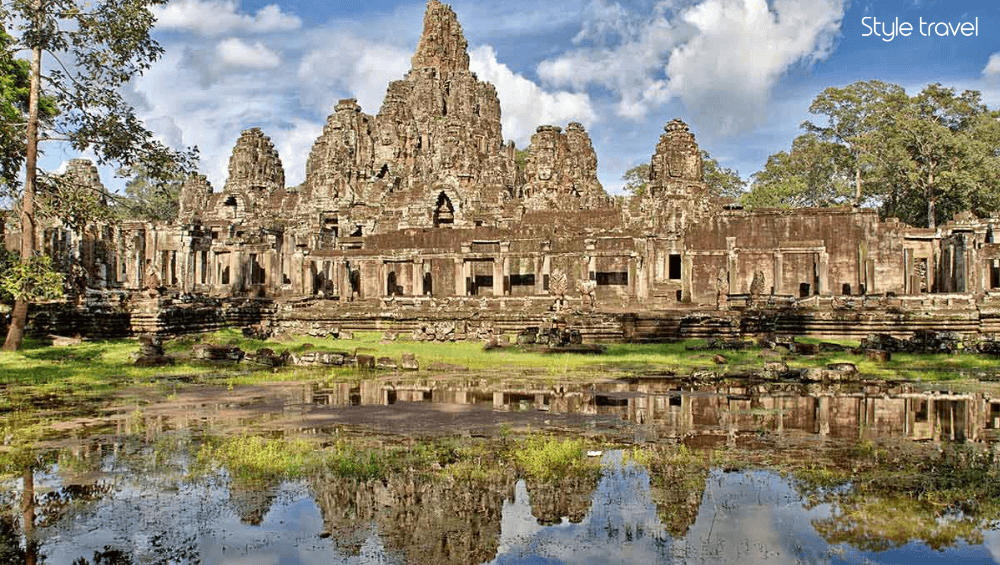
At the center of the complex stands the magnificent Angkor Wat, famous for its iconic towers, intricate bas-reliefs, and spectacular sunrise views. Beyond Angkor Wat, visitors can discover the mysterious Bayon Temple, renowned for its hundreds of smiling stone faces, and Ta Prohm, where enormous tree roots have become intertwined with centuries-old temple ruins, creating one of the region’s most iconic and photogenic landscapes. Exploring Angkor is an unforgettable journey through Cambodia’s rich history and cultural heritage.
Ha Long Bay – Cat Ba Archipelago, Vietnam
Ha Long Bay – Cat Ba Archipelago is one of Vietnam’s most breathtaking UNESCO World Heritage Sites, celebrated for its emerald waters, towering limestone karsts, and exceptional biodiversity. Recognized by UNESCO for both its outstanding natural beauty and geological significance, this remarkable destination offers an unforgettable combination of dramatic scenery and diverse ecosystems.
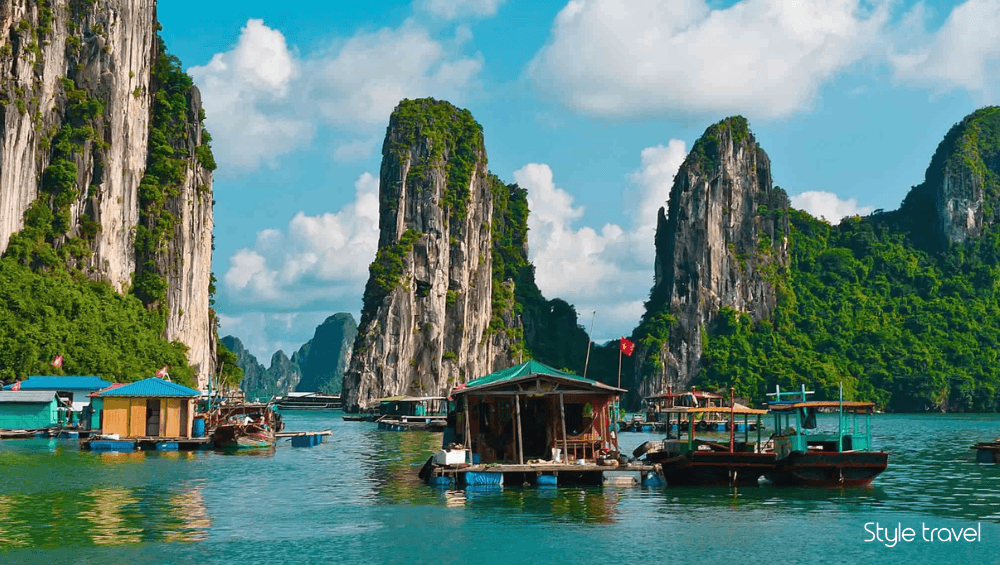
A cruise through the bay is the best way to experience its stunning landscape, while kayaking allows visitors to navigate hidden lagoons, sea caves, and secluded beaches. On nearby Cat Ba Island, travelers can hike through lush national parks, enjoy panoramic viewpoints, and, with a little luck, spot the critically endangered Cat Ba langur. Whether you’re looking for outdoor adventure or peaceful moments surrounded by nature, Ha Long Bay – Cat Ba Archipelago is an essential stop on any Southeast Asia itinerary.
Hoi An Ancient Town, Vietnam
Hoi An Ancient Town is one of Vietnam’s most captivating UNESCO World Heritage Sites, famous for its exceptionally well-preserved trading port that flourished between the 15th and 19th centuries. Influenced by Vietnamese, Chinese, Japanese, and European merchants, the town presents a fascinating blend of architectural styles, historic buildings, colorful temples, and charming lantern-lined streets.
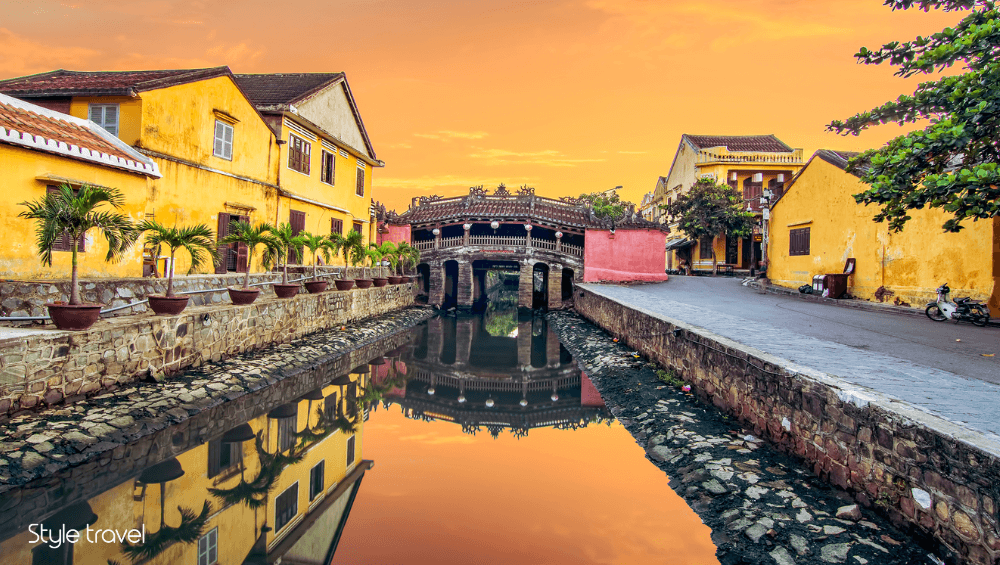
Strolling through Hoi An’s Old Town feels like stepping back in time. Visitors can admire the iconic Japanese Covered Bridge, explore centuries-old assembly halls and merchant houses, browse bustling local markets, or sample the town’s renowned cuisine. After sunset, thousands of colorful lanterns illuminate the streets and reflect beautifully on the Thu Bon River, creating one of the most enchanting nighttime scenes in Southeast Asia. Rich in history, culture, and timeless charm, Hoi An continues to captivate travelers from around the world.
Trang An Landscape Complex, Vietnam
Trang An Landscape Complex is Vietnam’s first mixed UNESCO World Heritage Site, recognized for both its outstanding natural beauty and exceptional cultural significance. Set amid a spectacular landscape of limestone karst mountains, winding rivers, caves, and lush valleys, Trang An has been shaped over millions of years and also preserves important traces of prehistoric human settlement.
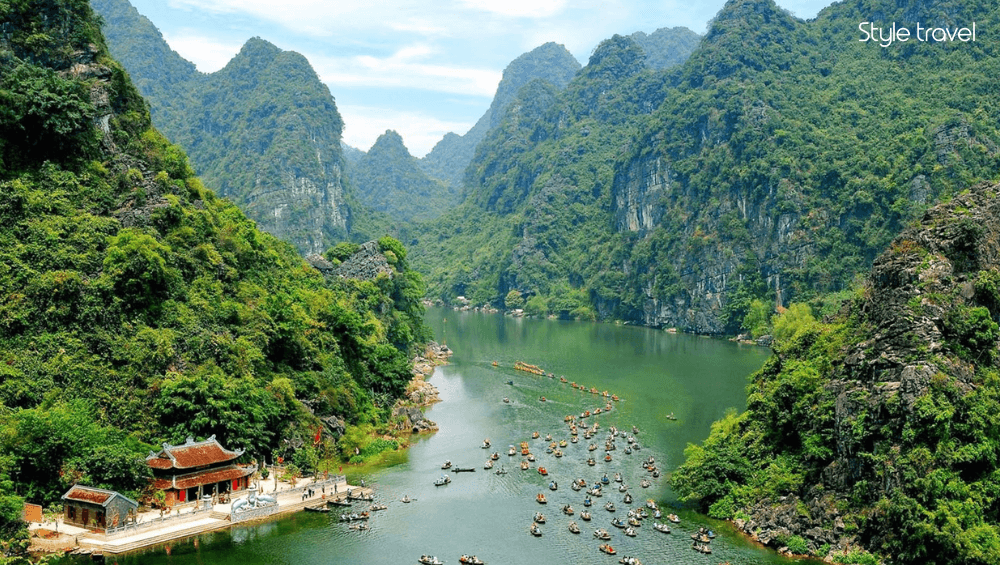
One of the best ways to experience Trang An is by taking a traditional sampan boat ride through its tranquil waterways, passing beneath dramatic limestone cliffs and into a series of fascinating caves. Visitors can also explore ancient temples, climb to panoramic viewpoints, and discover the nearby Hoa Lu Ancient Capital, once the political center of Vietnam during the 10th and 11th centuries. Combining breathtaking scenery with centuries of history, Trang An offers an unforgettable experience for travelers seeking both nature and culture.
Phong Nha – Ke Bang National Park, Vietnam
Phong Nha – Ke Bang National Park is one of Vietnam’s most impressive UNESCO World Heritage Sites, renowned for its extraordinary geological history, dramatic karst landscapes, and one of the world’s oldest and most extensive cave systems. Covering vast limestone mountains and tropical forests, the park protects hundreds of caves, underground rivers, and an exceptional diversity of plant and animal species.
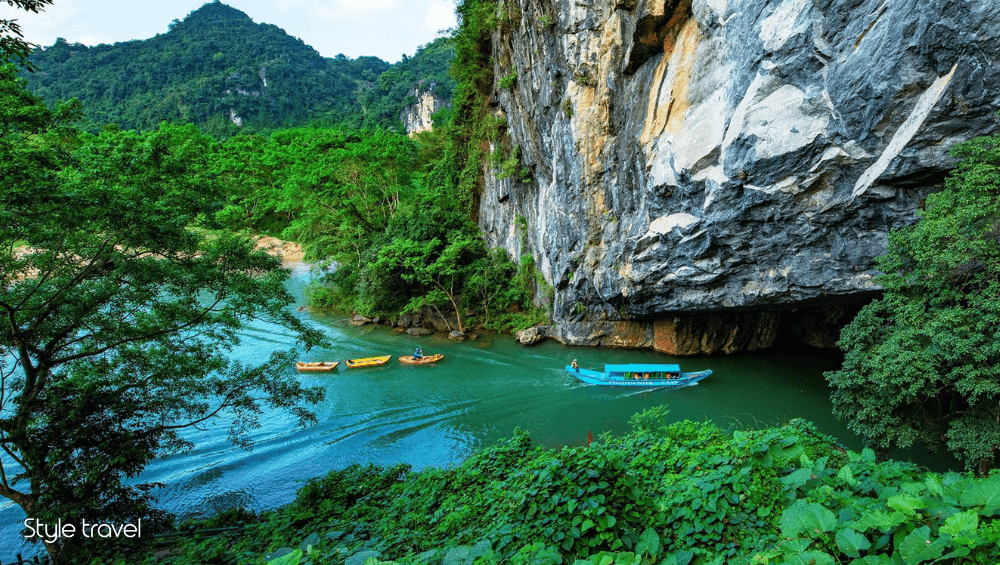
Among its most famous attractions are Phong Nha Cave, Paradise Cave, and the legendary Son Doong Cave, the largest natural cave in the world. Beyond cave exploration, visitors can enjoy jungle trekking, wildlife watching, scenic boat rides along underground rivers, and breathtaking viewpoints across the national park. With its remarkable combination of adventure, natural beauty, and scientific significance, Phong Nha – Ke Bang National Park is an unmissable destination for anyone exploring central Vietnam.
Borobudur Temple Compounds, Indonesia
Borobudur Temple Compounds is the world’s largest Buddhist monument and one of Indonesia’s most treasured UNESCO World Heritage Sites. Constructed during the 8th and 9th centuries under the Sailendra Dynasty, this extraordinary temple complex is celebrated for its remarkable stone architecture, intricate relief carvings, and symbolic design representing the Buddhist path to enlightenment.
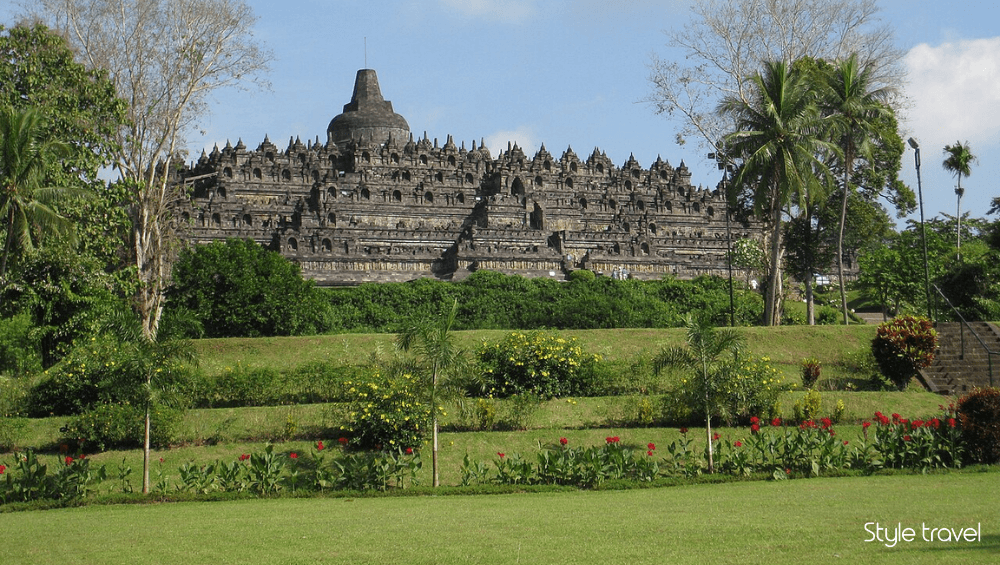
Climbing Borobudur’s nine terraces reveals hundreds of beautifully carved relief panels and iconic bell-shaped stupas, all set against breathtaking views of lush countryside and distant volcanoes. Arriving at sunrise is an unforgettable experience, as the first rays of light gradually illuminate the ancient monument and surrounding landscape. Combining spiritual significance, architectural brilliance, and spectacular scenery, Borobudur is an essential destination for anyone exploring Indonesia.
Prambanan Temple Compounds, Indonesia
Standing proudly on the plains of Central Java, Prambanan Temple Compounds is the largest Hindu temple complex in Southeast Asia and one of Indonesia’s most impressive UNESCO World Heritage Sites. Built in the 9th century, the complex is dedicated to the Hindu trinity of Brahma, Vishnu, and Shiva, showcasing soaring stone towers, exquisite carvings, and the finest examples of ancient Javanese architecture.
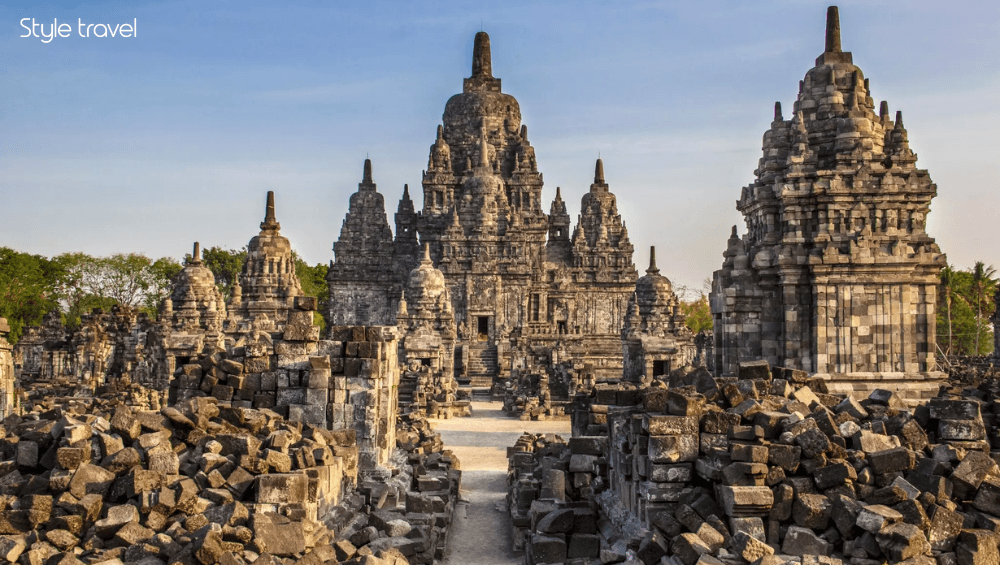
Visitors can wander through the beautifully preserved temples while admiring intricate bas-reliefs depicting scenes from the Ramayana epic. As evening falls, the famous Ramayana Ballet, performed against the illuminated temple backdrop, brings Indonesia’s rich cultural traditions to life. Rich in history, mythology, and architectural beauty, Prambanan remains one of the country’s most iconic cultural attractions.
Komodo National Park, Indonesia
Komodo National Park is one of Southeast Asia’s most extraordinary natural treasures, renowned for its rugged islands, turquoise waters, pristine beaches, and exceptional marine biodiversity. Established to protect the endangered Komodo dragon, the world’s largest living lizard, the park has become one of Indonesia’s most remarkable UNESCO World Heritage Sites.
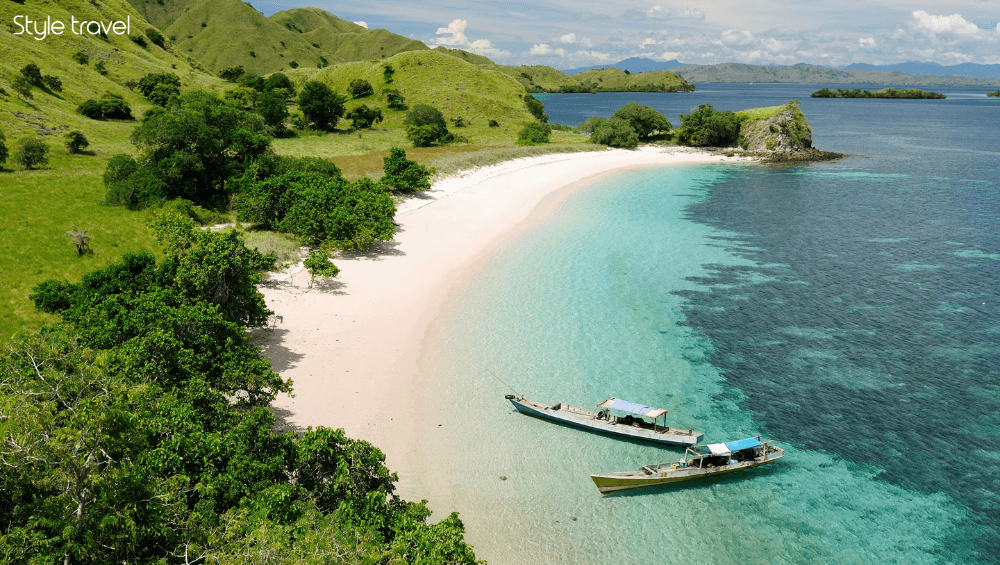
Guided trekking tours allow visitors to observe Komodo dragons in their natural habitat, while the surrounding waters offer world-class snorkeling and diving among colorful coral reefs teeming with marine life. The park is also home to the famous Pink Beach, where soft pink sand meets crystal-clear water, creating one of Indonesia’s most photographed coastal landscapes. Whether exploring on land or beneath the sea, Komodo National Park promises an unforgettable adventure for nature lovers and outdoor enthusiasts alike.
Historic city of Ayutthaya, Thailand
Once the flourishing capital of the Kingdom of Ayutthaya, the Historic City of Ayutthaya is now one of Thailand’s most fascinating UNESCO World Heritage Sites. Founded in the 14th century, the city grew into one of Asia’s most prosperous trading centers before its decline in the 18th century. Today, its magnificent temple ruins and historic monuments stand as lasting reminders of Thailand’s glorious past.
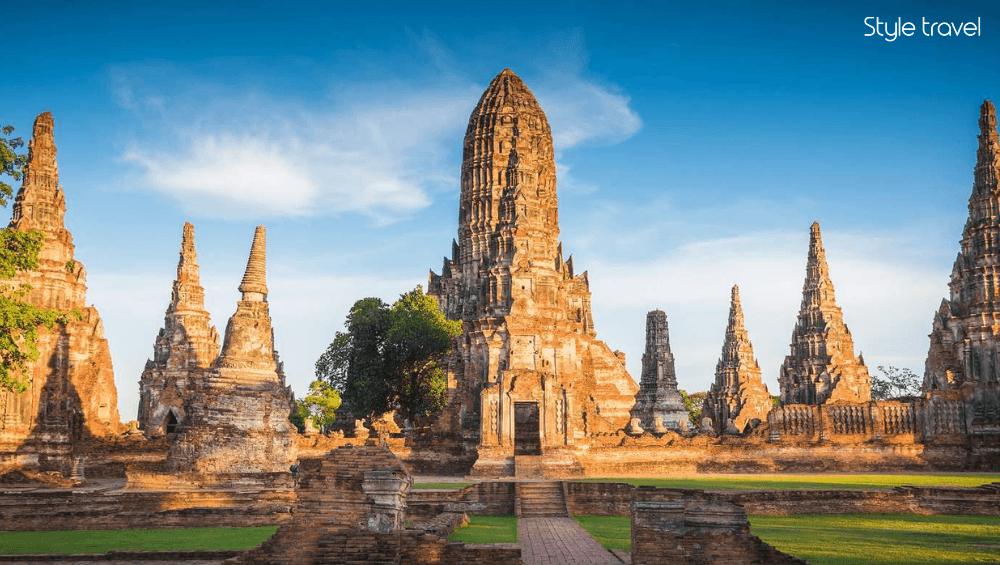
Among the city’s most famous landmarks are Wat Mahathat, where a Buddha head is famously embraced by tree roots, Wat Phra Si Sanphet, the former royal temple, and Wat Chaiwatthanaram, admired for its elegant Khmer-inspired architecture. Exploring these ancient ruins by bicycle, boat, or on foot offers a memorable journey through centuries of Thai history and culture.
Historic city of Sukhothai and Associated historic towns, Thailand
Recognized as the birthplace of the first Thai kingdom, the Historic City of Sukhothai and Associated Historic Towns preserves some of Thailand’s most significant cultural and architectural treasures. Designated as a UNESCO World Heritage Site, Sukhothai reflects the golden age of Thai civilization through its graceful Buddha statues, elegant temple ruins, and beautifully planned historic landscapes.
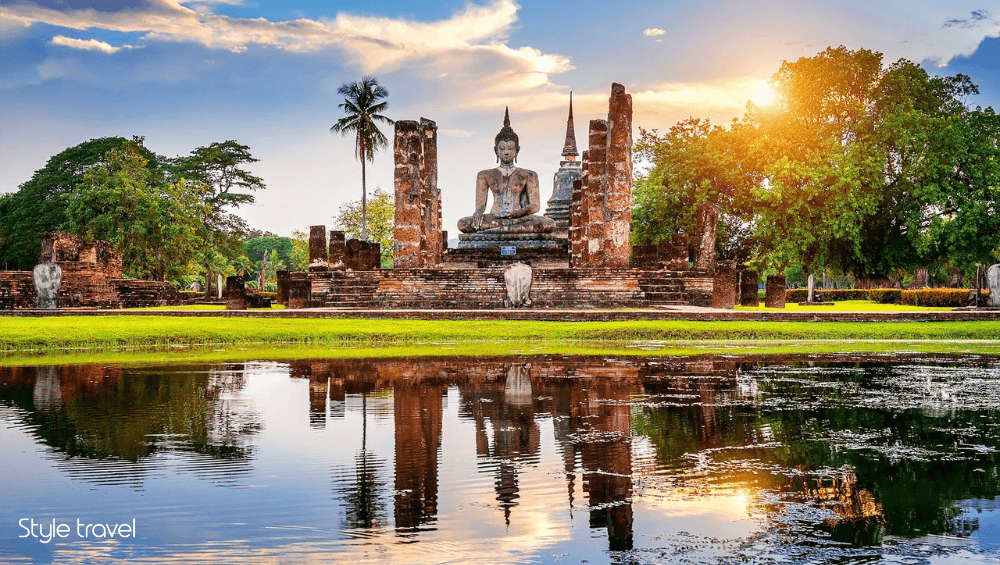
The expansive Sukhothai Historical Park is home to remarkable monuments, including Wat Mahathat, Wat Si Chum, and Wat Sa Si, all surrounded by tranquil lakes, ancient city walls, and peaceful gardens. Cycling through the park is one of the most enjoyable ways to explore its timeless beauty while gaining a deeper appreciation of Thailand’s artistic and cultural heritage.
Luang Prabang, Laos
Nestled at the confluence of the Mekong and Nam Khan rivers, Luang Prabang is one of Southeast Asia’s most enchanting UNESCO World Heritage Sites. The city’s harmonious blend of traditional Lao architecture, elegant French colonial buildings, and centuries-old Buddhist temples creates a unique atmosphere that has remained remarkably well preserved over time.
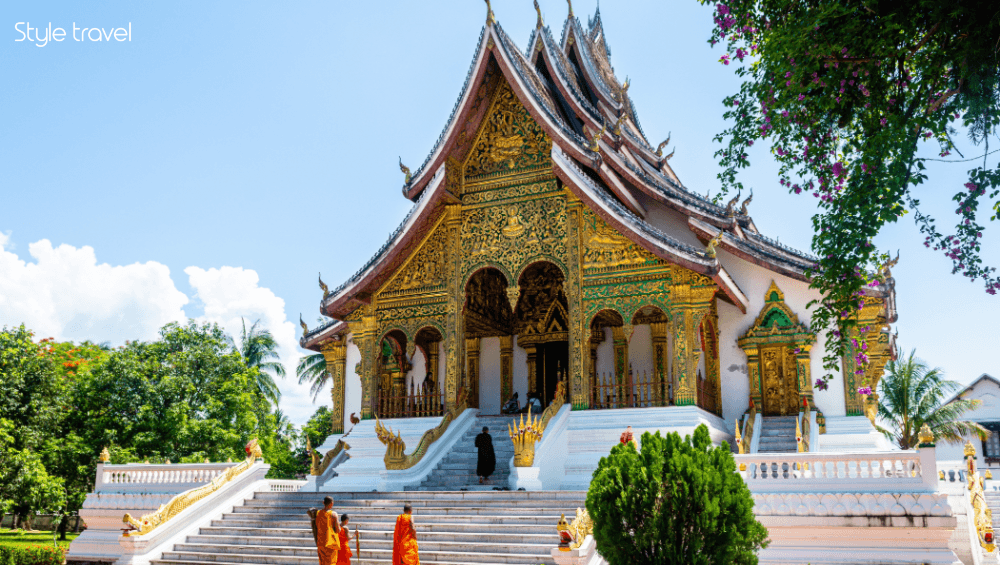
Walking through the historic center reveals beautifully decorated temples, charming cafés, traditional wooden houses, and vibrant local markets. Visitors can experience the centuries-old morning alms-giving ceremony, admire the magnificent Wat Xieng Thong, and browse handcrafted souvenirs at the lively night market. Just outside the city, the breathtaking Kuang Si Waterfalls offer crystal-clear turquoise pools and scenic forest trails, providing the perfect balance of cultural discovery and natural beauty. With its peaceful atmosphere and timeless charm, Luang Prabang remains one of the most rewarding destinations to visit in Laos.
Bagan, Myanmar
Stretching across the plains of central Myanmar, Bagan is one of Southeast Asia’s most remarkable UNESCO World Heritage Sites, home to an extraordinary landscape of more than 2,000 ancient temples, pagodas, and monasteries. As the capital of the Pagan Kingdom from the 9th to the 13th centuries, Bagan flourished as a center of Buddhist learning and architecture, leaving behind one of the world’s most impressive collections of religious monuments.
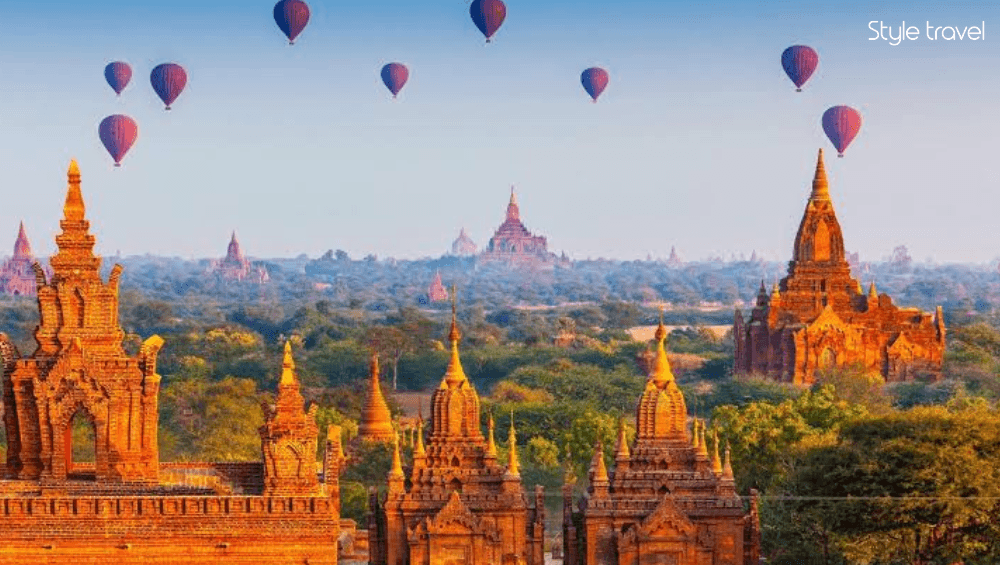
Exploring Bagan is like stepping into a living museum, where centuries-old temples are adorned with intricate murals, delicate carvings, and sacred Buddha statues. Iconic landmarks such as Ananda Temple, Dhammayangyi Temple, and Shwezigon Pagoda reveal the artistic and spiritual legacy of the ancient kingdom. For many travelers, watching the sunrise or sunset over the temple-filled plains, or taking in the breathtaking panorama from a traditional hot air balloon, is an experience that defines a journey through Myanmar.
Singapore Botanic Gardens, Singapore
Singapore Botanic Gardens is the country’s first UNESCO World Heritage Site and the world’s first tropical botanical garden to receive this prestigious recognition. Established in 1859, the gardens have played a vital role in botanical research, plant conservation, and the development of tropical horticulture while remaining one of Singapore’s most beloved green spaces.
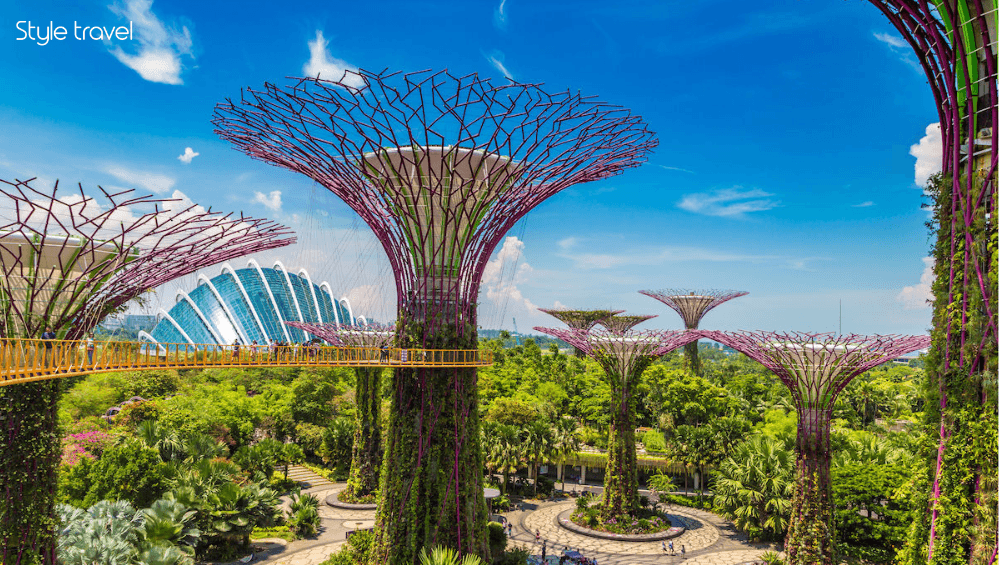
Spanning more than 80 hectares, the gardens invite visitors to wander through lush tropical landscapes, peaceful lakes, and scenic walking trails. A highlight of any visit is the National Orchid Garden, home to thousands of orchid species and hybrids displayed in beautifully landscaped settings. With its rich biodiversity, heritage trees, and tranquil atmosphere, Singapore Botanic Gardens offers a refreshing escape from the city’s fast-paced urban environment.
Melaka and George town, historic cities of the straits of Malacca, Malaysia
Recognized as UNESCO World Heritage Sites, Melaka and George Town reflect centuries of cultural exchange that shaped the historic trading routes of the Straits of Malacca. These two port cities preserve an exceptional blend of Malay, Chinese, Indian, Arab, and European influences, evident in their architecture, cuisine, traditions, and everyday life.
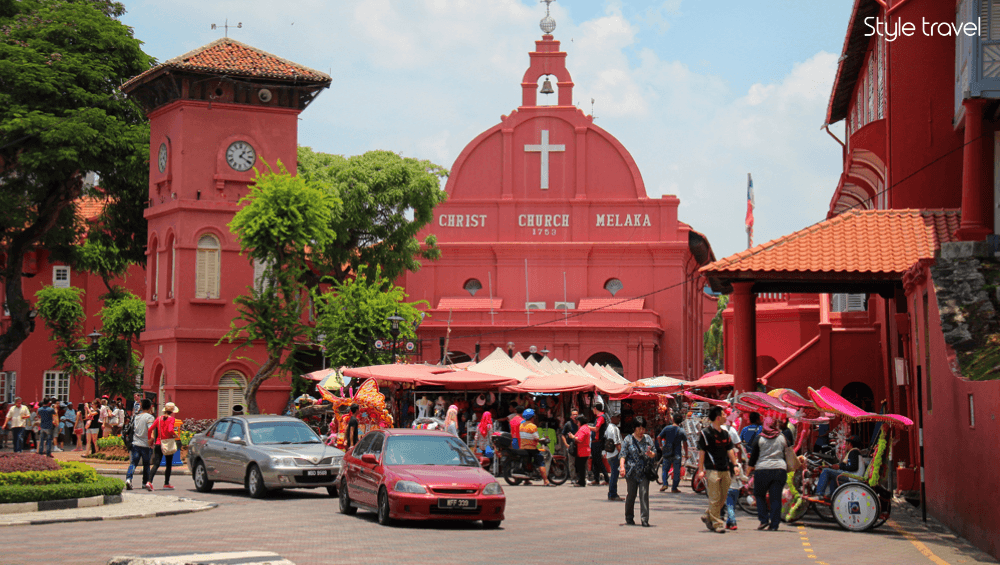
Walking through their heritage streets reveals colorful colonial buildings, beautifully restored shophouses, historic temples, churches, mosques, and fascinating museums. In Melaka, the lively Jonker Street Night Market is a favorite destination for local food and shopping, while George Town captivates visitors with its world-famous street art, heritage mansions, and vibrant cultural scene. Together, these historic cities provide an unforgettable introduction to Malaysia’s multicultural heritage.
Puerto-Princesa Subterranean River National Park, Philippines
Located on the island of Palawan, Puerto-Princesa Subterranean River National Park is one of the Philippines’ most spectacular UNESCO World Heritage Sites. Renowned for its dramatic limestone karst formations, pristine tropical forests, and exceptional biodiversity, the park is best known for its remarkable underground river, one of the longest navigable subterranean rivers in the world.
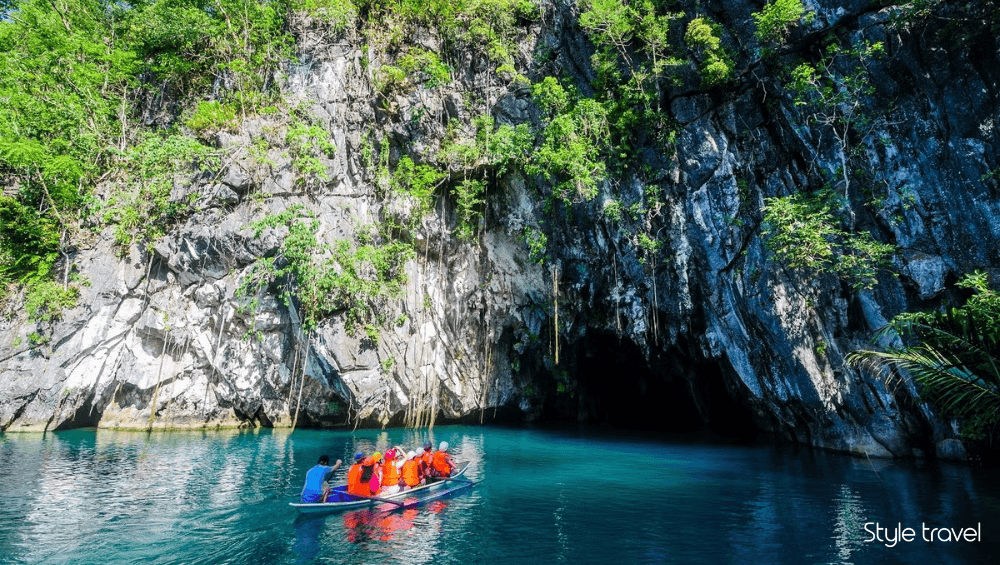
A guided boat tour takes visitors deep into the cave system, where towering limestone formations, cathedral-like chambers, and fascinating rock formations create an unforgettable natural spectacle. Beyond the underground river, the park protects mangrove forests, coastal ecosystems, and diverse wildlife, including monkeys, monitor lizards, and numerous bird species. Combining geological wonders with extraordinary biodiversity, Puerto-Princesa Subterranean River National Park stands out as one of Southeast Asia’s greatest natural attractions.
Southeast Asia’s UNESCO World Heritage Sites are far more than iconic tourist attractions, serving as living legacies that preserve the region’s remarkable history, diverse cultures, and extraordinary natural landscapes. From magnificent temple complexes and ancient royal capitals to breathtaking national parks and pristine island destinations, each site tells a unique story that continues to inspire travelers from around the world.
Whether you’re dreaming of watching the sunrise over Angkor, cruising through the emerald waters of Ha Long Bay, exploring the ancient temples of Bagan, or discovering the cultural charm of Luang Prabang, Southeast Asia offers unforgettable experiences for every type of traveler.
At Style Travel, we specialize in creating carefully crafted journeys that showcase the very best of this incredible region. From customized private tours to multi-country adventures, our experienced travel specialists are ready to help you plan an itinerary tailored to your interests, travel style, and budget.
Contact Style Travel today and let us help you discover the timeless beauty of Southeast Asia’s UNESCO World Heritage Sites with confidence, comfort, and unforgettable experiences.


Where to go for the best Thailand weather in February

12 best things to do in Ayutthaya, Thailand

Thailand weather in October and the best places to visit

7 best places to enjoy Thailand nightlife on your holiday

12 Best Bangkok Night Markets for Street Food

5 Thailand diving destinations for your next trip

5 Bangkok floating market trips for food and canal views

Exploring Khao Sok National Park in southern Thailand

A practical guide to visiting Thailand for seniors