
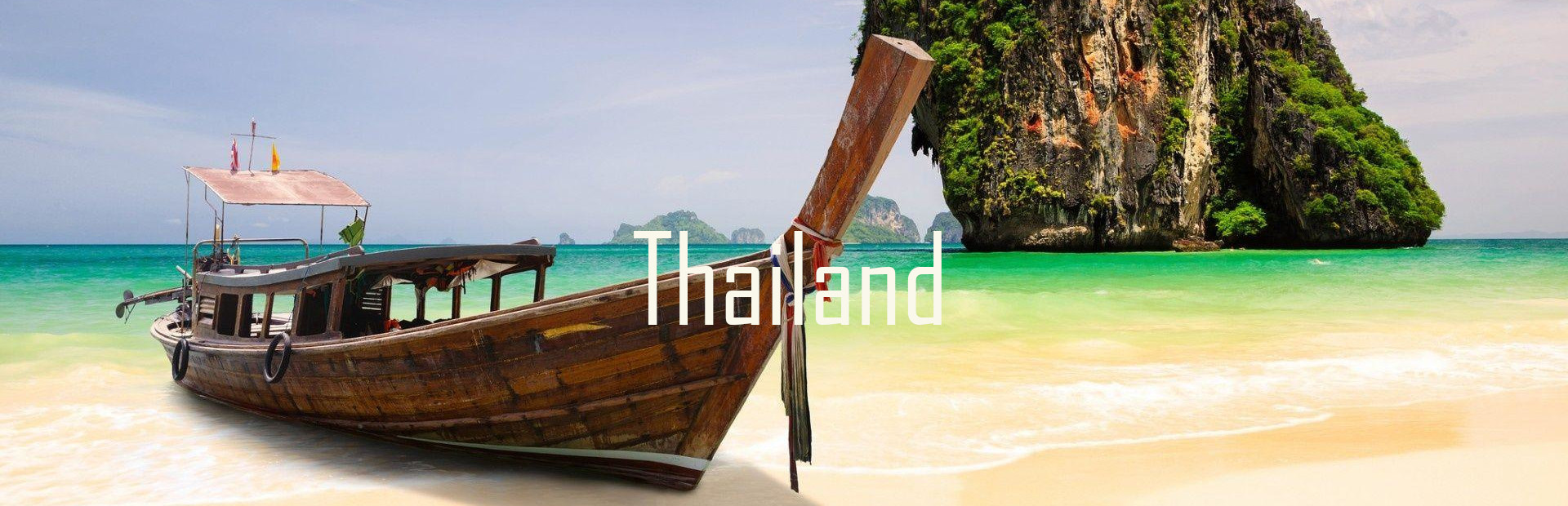
Best Things to Do in Chiang Mai
The best things to do in Chiang Mai combine historic temples, northern Thai food and time in the surrounding mountains. Start with the Old City and Doi Suthep, then choose a cooking class, nature trip or elephant observation program. This guide from Style Travel explains what each experience offers and how to fit it into your stay.
Visit Wat Phra That Doi Suthep
Wat Phra That Doi Suthep is a good choice for your first major temple visit in Chiang Mai. Its golden chedi and Lanna architecture make it an important cultural landmark, while the mountain setting offers a different perspective from the temples within the Old City. On clear days, views across the city add to the visit, although cloud and haze can obscure them.
Allow time for the mountain journey as well as the temple itself. Arrange your return transport before setting off, particularly when hiring a vehicle independently. Wear clothing that covers your shoulders and knees, remove your shoes where required and keep passageways clear during worship.

Explore Chiang Mai Old City
Wander through Chiang Mai Old City to experience the historic heart of the city and discover its charming mix of ancient architecture, local life, and cultural landmarks. Start your exploration at Tha Phae Gate, one of Chiang Mai’s most recognizable landmarks, before strolling through the quiet streets and visiting the Three Kings Monument, an important symbol of the city’s history. The compact layout makes the Old City easy to explore on foot, while renting a bicycle is another convenient option for covering more ground. Early morning or late afternoon is the best time to explore, when the weather is cooler and the streets are more comfortable for walking.
If temple architecture is a highlight of your holiday, consider continuing to Chiang Rai Thailand for the White and Blue Temples. Allow separate time for that destination rather than trying to fit it into a day already devoted to Chiang Mai’s Old City.
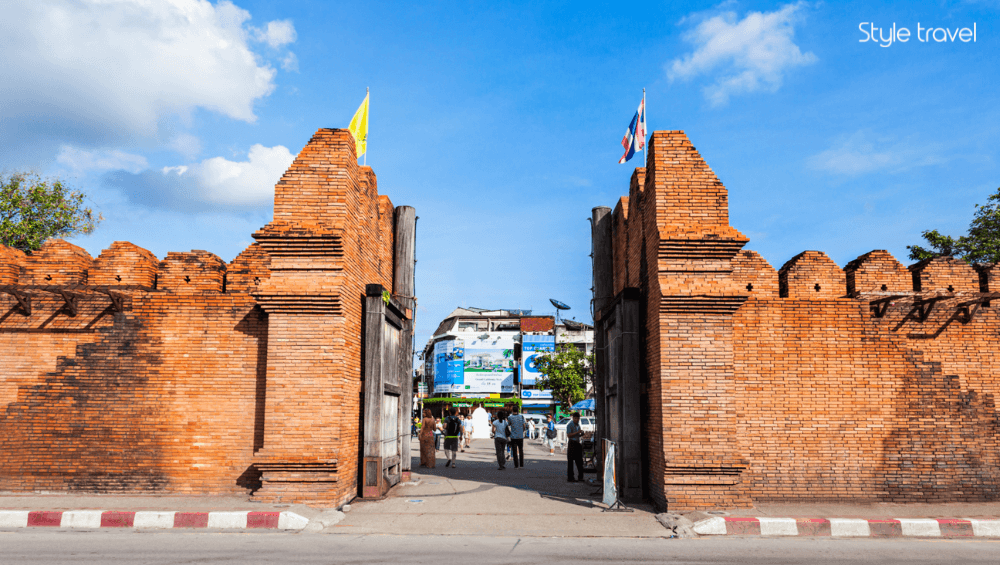
Useful information:
- Best time to visit: Early morning or late afternoon
- Getting around: Walking or bicycle
- Entrance fee: Free to explore the Old City
Discover the tunnels and woodland setting of Wat Umong
Escape the busy streets of Chiang Mai and visit Wat Umong, a peaceful forest temple tucked away at the foot of Doi Suthep Mountain. Unlike the ornate temples in the Old City, Wat Umong is known for its tranquil woodland setting, ancient brick tunnels, and large chedi covered in moss. Wander through the temple grounds, explore the atmospheric tunnels, and enjoy the quiet surroundings. Early morning or late afternoon is a great time to visit, when the weather is cooler and the temple feels especially peaceful.
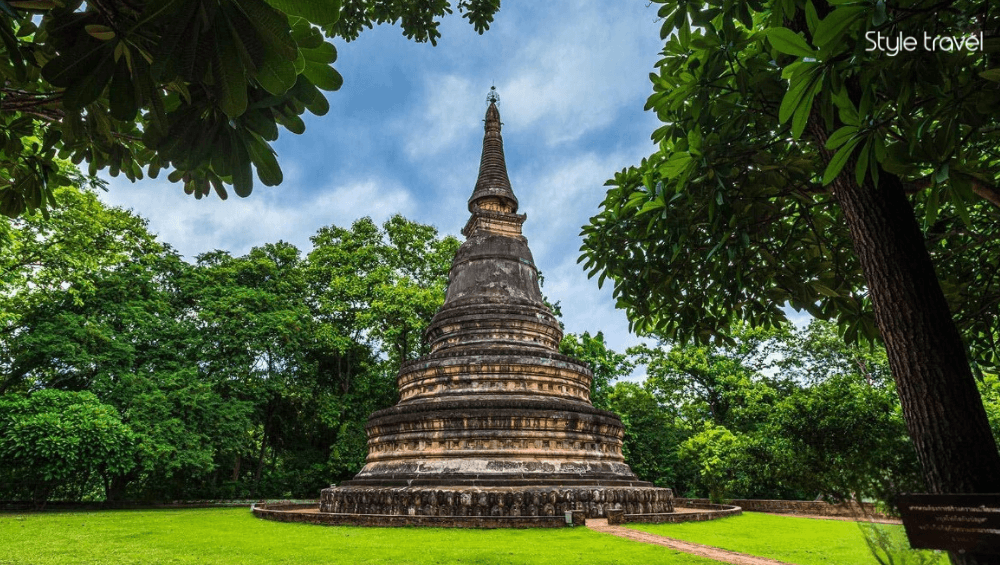
Useful information:
- Opening hours: 4:00 AM – 8:00 PM
- Entrance fee: Free
- Best time to visit: Early morning or late afternoon
- Location: About 5 km from Chiang Mai Old City
Spend a day in Doi Inthanon National Park
Doi Inthanon National Park is worth considering when you want mountain scenery, forest walks and waterfalls beyond Chiang Mai’s urban center. It contains Thailand’s highest summit, where conditions can feel markedly cooler than in the city.
Treat Doi Inthanon as a full-day excursion. A summit stop, a waterfall visit and a substantial walk take different amounts of time. Before booking a tour, read the route carefully: a program described as trekking should explain the trail, terrain and walking involved.
Choose the day around what interests you most:
- For gentle sightseeing: Look for a route with viewpoints and short walks, and ask about steps.
- For hiking: Confirm the named trail, expected difficulty and whether a local guide is required.
- For photography: Ask how long you will spend at each location rather than judging the trip by its number of stops.
If mountain walks are a priority, our guide answering when is the best time to visit Thailand can help you plan around seasonal conditions. Check local forecasts, air quality and trail access closer to departure, as these determine what is practical on the day.
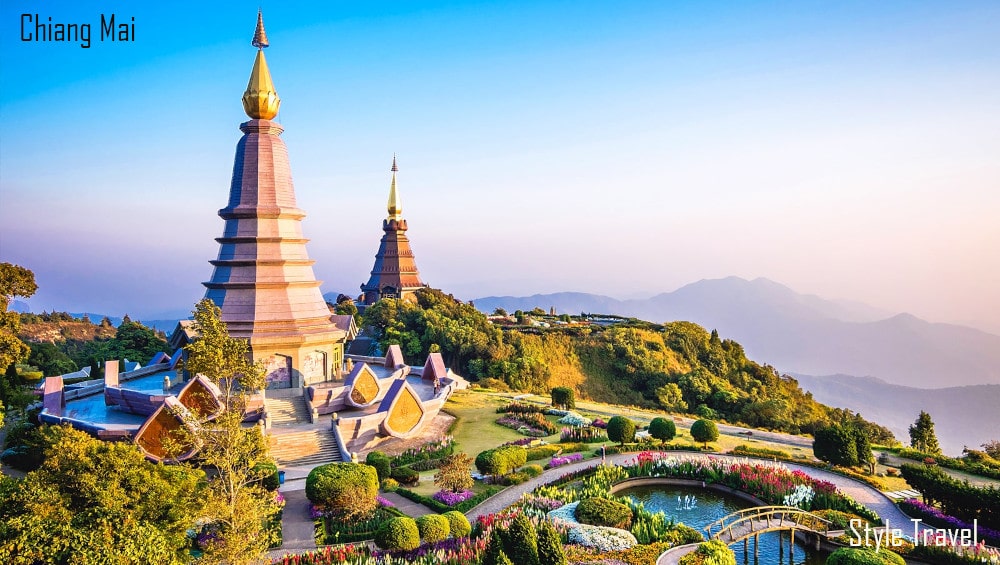
Useful information:
-
- Opening hours: 5:00 AM – 6:00 PM
- Entrance fee: 300 THB for foreign adults and 150 THB for foreign children
- Best time to visit: November to February
- Kew Mae Pan Nature Trail: Closed annually from June to October for forest recovery
- Location: About 90 km southwest of Chiang Mai city center
Observe elephants at Elephant Nature Park
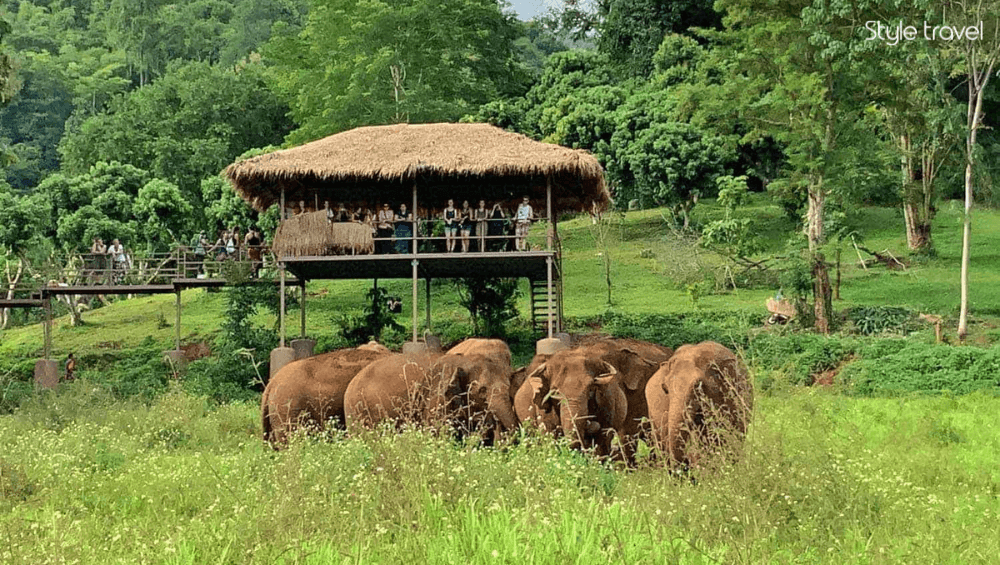
An elephant visit should begin with understanding the program, rather than simply choosing somewhere labeled a sanctuary. Elephant Nature Park offers visits that focus on learning about elephants and observing them, with a stated no-riding policy. Its published half-day programs also describe transfers from Chiang Mai.
Ask what your particular booking involves. Observation, feeding and close contact are different activities, and the word sanctuary alone does not explain how a visit operates. Prefer arrangements that allow elephants space and choice, and follow staff instructions about distance and movement.
When comparing Thailand tours that include an elephant experience, confirm the named venue and program rather than relying on a general itinerary description. Check walking conditions, transfers, meals and accessibility before booking. A half-day visit can still occupy much of your available daytime once collection and return travel are included.
Useful information:
- Service prices: From 2,500 to 15,000 THB, depending on the sightseeing and accommodation package.
- Opening hours: Around 7:00 AM – 5:00 PM
- Best time to visit: November to February, when the weather is cooler
- Location: Mae Taeng District, about 60 km from Chiang Mai city center
Note: Advance booking is recommended, especially during peak travel periods.
Join a Thai cooking class in Chiang Mai
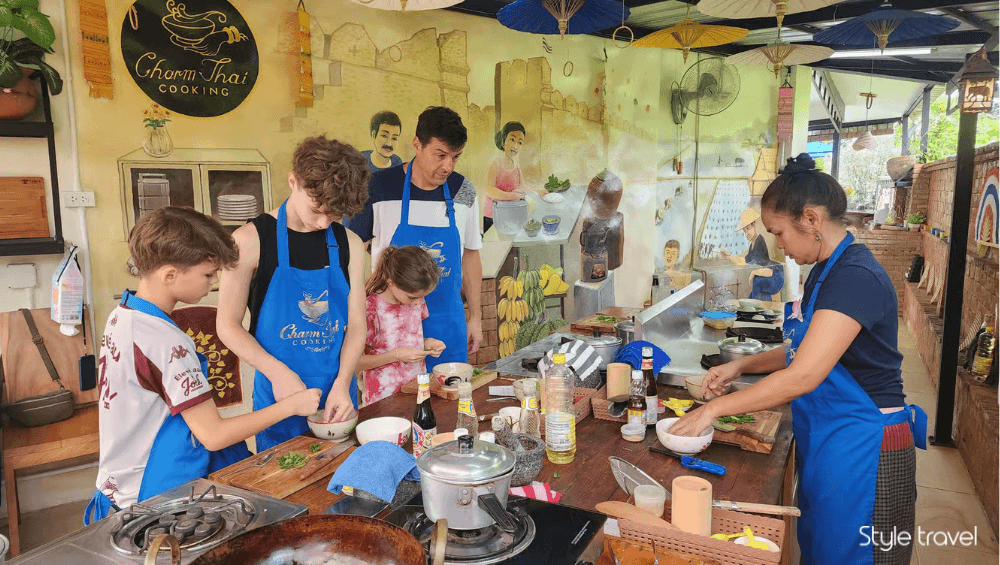
A Thai cooking class gives you something to take home beyond photographs: an understanding of ingredients and techniques you can use again. Choose the school according to what you want to cook, whether that is a familiar curry, a noodle dish or a northern Thai speciality.
Before booking, check:
-
-
- Whether each participant prepares their own dishes.
- Which dishes are available on your chosen date.
- Whether transfers and a market visit are included.
- How dietary preferences and food allergies are handled.
- Whether recipes are provided afterwards.
-
Leave your next meal unplanned: eating what you have prepared is often a substantial part of the experience.
Taste northern Thai cuisine
Food is one of the most rewarding reasons to leave space in your schedule. Start with khao soi, the curry noodle dish associated with northern Thailand, then explore dishes with different textures and flavors.
Look for sai ua, a herb-filled northern sausage; nam prik ong, a tomato and pork chilli dip; and gaeng hang lay, a pork curry. Choose a few dishes to share when possible, rather than ordering several full meals at once.
A restaurant specializing in northern cooking provides a useful introduction, while markets let you try smaller portions. Ask about ingredients if you avoid pork, seafood or animal products, as sauces and curry pastes may contain them.
Make time for a traditional Thai massage
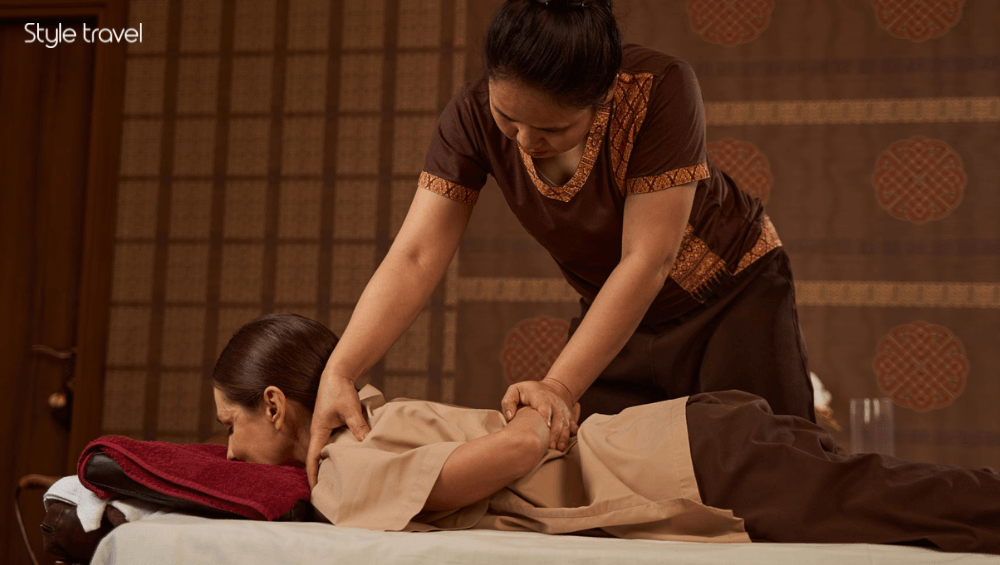
A massage can fit naturally into an afternoon after walking around temples or returning from an excursion. Traditional Thai massage commonly involves pressure and assisted stretching, so it may feel quite different from an oil massage.
Choose a treatment you are comfortable with and explain your preferred pressure before the session begins. You can ask the practitioner to reduce pressure or stop a movement at any point. Check the treatment length and total price in advance, and read recent reviews of the individual establishment.
Experience Chiang Mai’s festivals
Festival dates can transform the character of a visit. Yi Peng brings lantern decorations and northern cultural traditions, while Loy Krathong centers on candlelit floats placed on water. They occur around the same period but are distinct celebrations. Songkran, the Thai New Year in April, combines water celebrations with religious and family traditions.
If seeing lanterns is a reason for your trip, our Thailand lantern festival guide explains the difference between Yi Peng, Loy Krathong and organized mass releases. Public festivities and ticketed events have different admission and transport arrangements, so confirm which experience your booking includes.
Being in Chiang Mai during Yi Peng does not automatically include access to a coordinated lantern release. Check the program for your travel year, follow local instructions about where activities are permitted and arrange your return journey before joining a busy evening event.
The best things to do in Chiang Mai give you different ways to understand the city: through its temples, food, mountain surroundings and living traditions. Choose a manageable selection and allow time to enjoy each one. Contact Style Travel with your dates, interests and preferred pace to discuss a Chiang Mai itinerary that fits your Thailand holiday.


Doi Suthep temple Thailand and the way to its golden chedi

White Temple Thailand and the Surreal Art of Wat Rong Khun

Lantern Festival Thailand Guide to Yi Peng and Loy Krathong

Songkran Festival Thailand Guide to Thailand Water Festival

Discover Koh Samet Island in Thailand for a Beach Getaway

Similan Islands Thailand Travel Guide with Practical Tips for 2026

Discover Khao Phing Kan Island in Thailand

Is Phi Phi Island Thailand worth visiting ?

Thailand Phangan Island Guide You Cannot Miss in 2026