
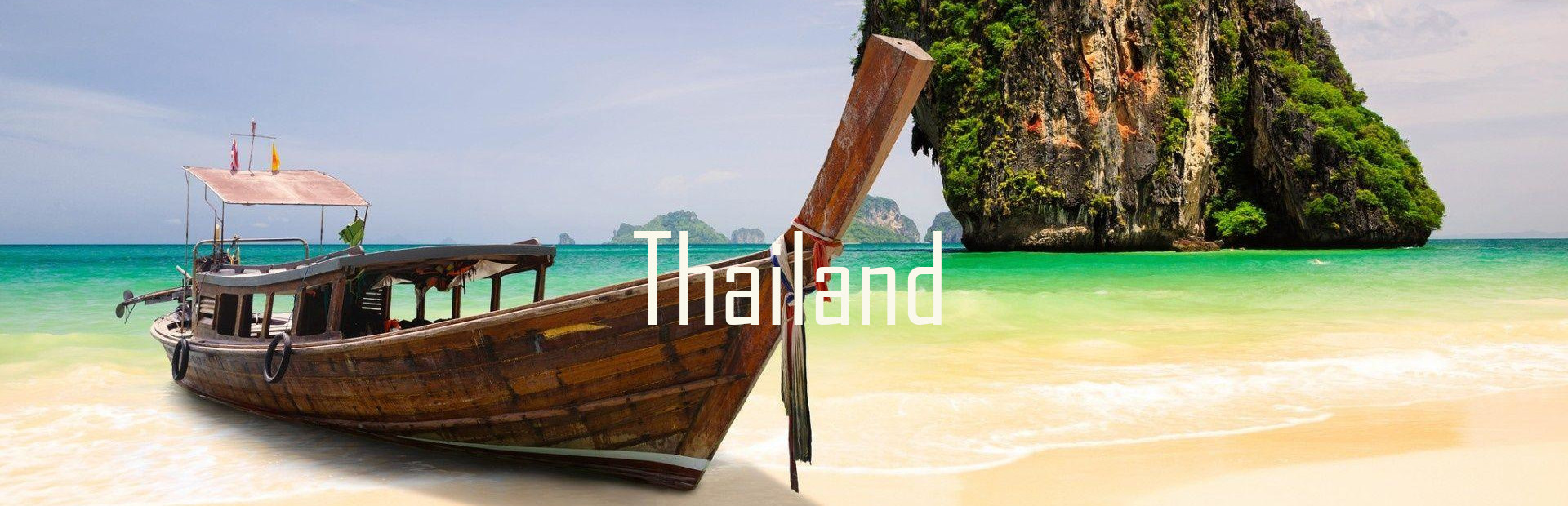
5 Thailand diving destinations for your next trip
Planning a Thailand diving holiday starts with choosing a coast that suits your dates and dive sites that match your experience. This Style Travel guide compares five destinations, explains their seasons and shows what to check before booking, whether you are trying scuba for the first time or planning several days underwater.
Where to find the best diving in Thailand
Koh Tao is worth considering for learning, Phuket for combining dives with a beach holiday, and the Similan and Surin Islands for an offshore itinerary. Phi Phi and Koh Lanta offer further Andaman options, with reefs, walls and pinnacles to explore. The right choice depends on the individual sites and conditions, as well as your interests.
Koh Tao for dive training and reef exploration
Koh Tao is a useful starting point for beginners because of its established dive schools and range of training opportunities. Certified divers can also explore sites such as White Rock, Southwest Pinnacles and Chumphon Pinnacle. Ask the operator which sites suit your qualification and recent experience rather than choosing solely from photographs.
A stay on Koh Tao Thailand can combine diving with time around Sairee or Tanote Beach. To reach the island, plan a ferry connection from places such as Chumphon, Koh Samui or Koh Phangan, and check the timetable before arranging your arrival.
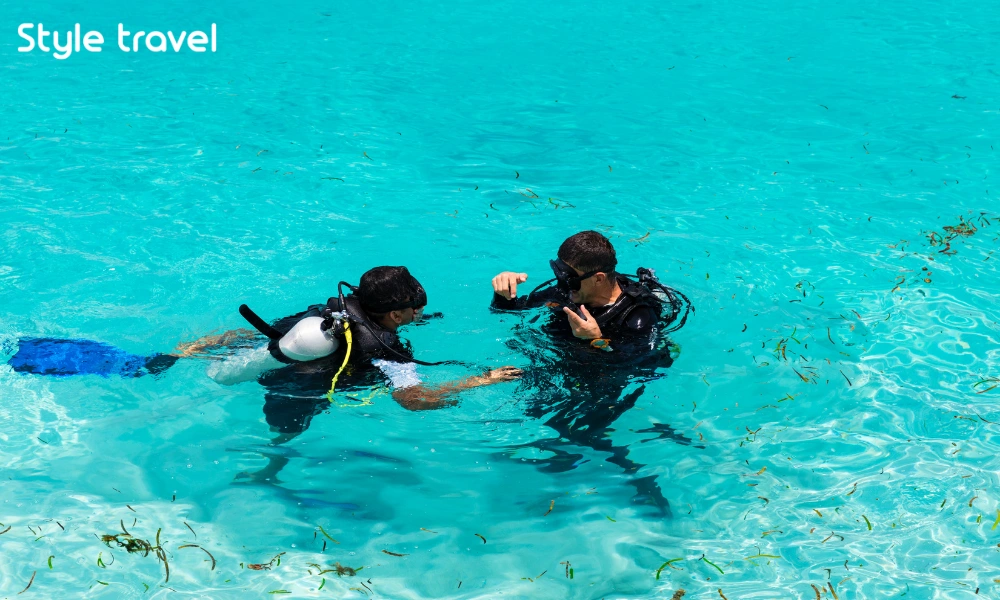
Similan and Surin Islands for offshore diving
The Similan and Surin Islands suit travellers who want diving to be the focus of their holiday. Khao Lak is a gateway to both areas, with boat trips and liveaboard itineraries providing access to offshore reefs and pinnacles. A liveaboard includes accommodation on the boat, allowing you to visit several sites without returning to a mainland hotel each evening.
Treat Ko Similan island as part of the wider archipelago when comparing routes. Trips may also include Koh Bon, Koh Tachai and Richelieu Rock; Richelieu Rock is associated with the Surin area, rather than being a Similan dive site. Check the actual itinerary instead of assuming every departure visits all these locations.
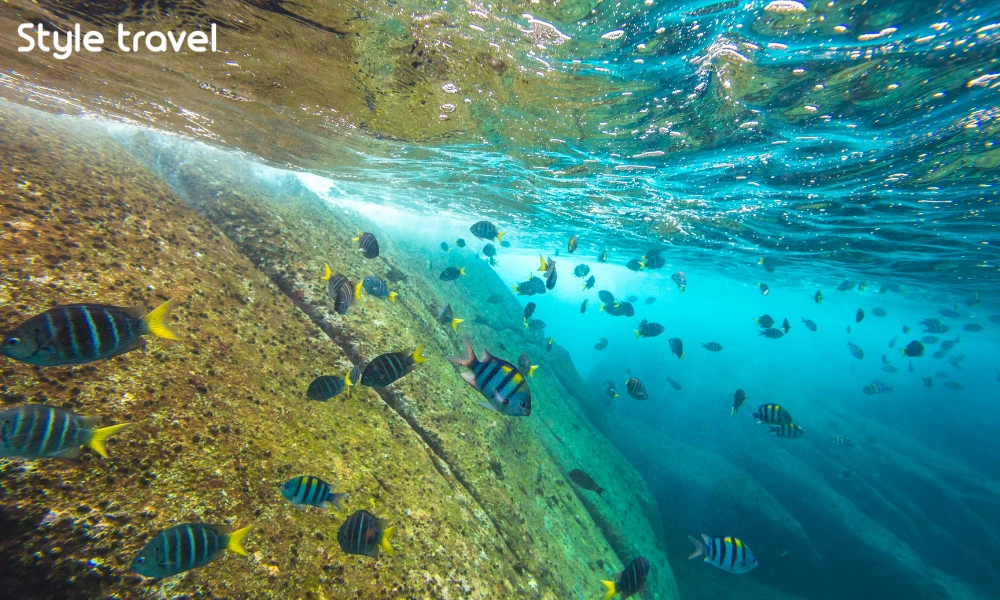
Phuket for diving alongside a beach holiday
Phuket is an ideal choice if you want to combine scuba diving with enjoying restaurants, beaches, and other entertainment activities.. Boat trips can visit Racha Yai, Racha Noi and Shark Point, while local options include Kata Reef and Karon Rocks. The departure point and boat journey matter, so ask how much of the day will be spent travelling.
If diving is one part of a broader holiday, leave space for other best things to do in Thailand. Avoid filling every day with fixed bookings: some flexibility makes it easier to rearrange a sea excursion if conditions change.
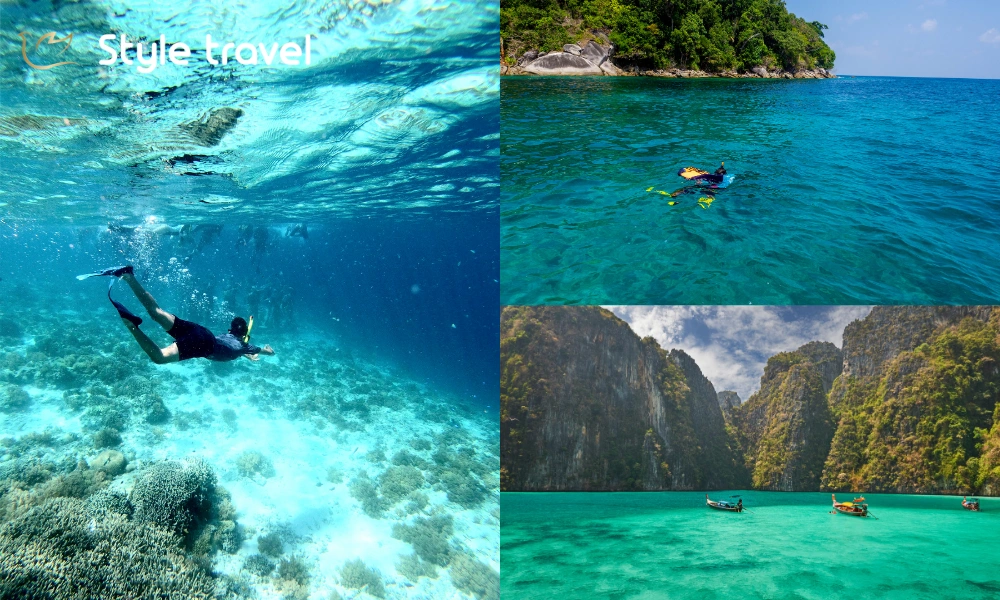
Phi Phi Islands for limestone walls and coral gardens
Phi Phi offers limestone walls, coral gardens and underwater rock formations. Bida Nok and Bida Nai are established sites to discuss with your dive operator. Choose an itinerary suited to your experience rather than assuming every route around the islands offers the same conditions.
Staying on Phi Phi island Thailand makes sense if you also want time to enjoy the islands between dives. Arrival involves a boat connection from Phuket or Krabi, so check ferry times before linking the journey with a flight.
Koh Lanta for Koh Haa and offshore pinnacles
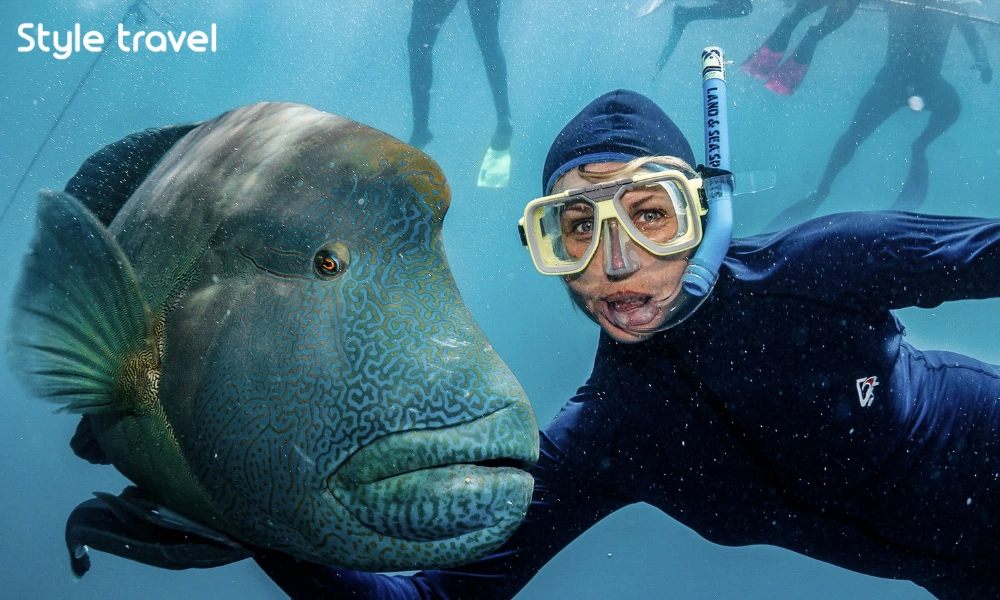
Koh Lanta provides access to Koh Haa, Hin Daeng and Hin Muang. Koh Haa includes shallow coral gardens as well as deeper walls, giving operators options for different experience levels. Hin Daeng and Hin Muang are offshore pinnacles; ask specifically about the planned depth, currents and entry requirements before booking.
Krabi is a practical arrival point for continuing to Koh Lanta. Compare the transfer arrangements as well as the diving itinerary, particularly if your holiday is short. Staying in one base and choosing suitable day trips may be more useful than spending several days moving between islands.
When to go diving in Thailand
Diving in Thailand follows different seasons on the two coasts. November to April is generally a favourable period for Phuket and Koh Lanta, while May to September is worth considering for Koh Tao. Choose your destination around your travel dates, then check local conditions before booking.
| Destination | Suggested period | What to check before booking |
|---|---|---|
| Phuket and Koh Lanta | November – April | Boat schedules and conditions at the planned dive sites |
| Similan and Surin Islands | During the marine parks’ opening season | Confirmed opening dates and available departures |
| Koh Tao | May – September | Sea conditions, visibility and ferry connections |
The Similan and Surin Islands have seasonal access restrictions. Confirm that your chosen sites will be open on your travel dates, especially near the start or end of the season.
When choosing a good time to go to Thailand, consider the coast where you want to dive. Weather patterns differ between regions, and favourable seasonal conditions do not guarantee calm seas every day.
How to plan scuba diving in Thailand
For scuba diving in Thailand, first decide whether you want a supervised introductory dive, a certification course or guided dives for qualified divers. An introductory session lets beginners try scuba with professional supervision, but it does not provide a full diving qualification. Complete the required medical questionnaire beforehand and obtain medical clearance if required.
Before booking, confirm these details with the dive centre:
- Suitable dive sites: Share your qualification, recent diving experience and any concerns about depth, currents or entering the water.
- Total price: Check whether equipment, boat transport, guides, meals, transfers and marine park fees are included.
- Daily schedule: Ask about departure times, boat journeys, the number of dives and the expected return time.
- Weather changes: Find out whether the operator offers alternative sites, rescheduling or refunds.
- Safety arrangements: Check group sizes, emergency equipment and whether your insurance covers the planned diving activities.
When comparing Thailand vacation packages, confirm whether diving is included or needs a separate booking. A snorkelling excursion or island boat trip does not necessarily include scuba diving.
Leave enough time between your final dive and any flight, including domestic connections. Recommended minimum intervals are 12 hours after a single no-decompression dive and 18 hours after multiple dives or consecutive days of diving, provided you have no decompression sickness symptoms. Dives requiring decompression stops need substantially longer than 18 hours. Longer intervals reduce risk, but no interval guarantees that symptoms cannot occur.
Thailand diving FAQs
Where is the best diving in Thailand for beginners?
Koh Tao is a practical option for training, while Phuket also offers introductory experiences and courses. The instructor, training arrangements and chosen site matter more than the destination name alone. Tell the centre that you are a beginner before selecting a trip.
Should I choose day trips or a liveaboard?
Choose day trips if you want to return to your hotel and combine diving with other activities. Consider a liveaboard if visiting several offshore sites is the main purpose of the holiday. Check its certification and experience requirements before booking; a multi-day itinerary is not automatically suitable for beginners.
How much does scuba diving in Thailand cost?
There is no single price covering an introductory dive, certification course, guided day trip and liveaboard. Request a quote for your dates and compare the same inclusions. Equipment hire, park charges, transfers and course materials can change the total, even when the advertised starting prices look similar.
Can I see whale sharks or manta rays?
Both occur in Thai waters, but sightings cannot be guaranteed. Choose a trip for its reefs, landscapes and suitable dive sites, with larger marine animals as a possible bonus. Seasonal patterns can help you plan, but they cannot predict an individual encounter.
A rewarding Thailand diving holiday starts with matching your dates, experience and preferred pace. Choose a suitable base, confirm the dive arrangements and leave room for transfers and the interval before flying. Contact Style Travel with your dates and preferred destinations to discuss the wider holiday itinerary, and confirm any diving requirements before booking.


12 Best Bangkok Night Markets for Street Food

5 Thailand diving destinations for your next trip

5 Bangkok floating market trips for food and canal views

Exploring Khao Sok National Park in southern Thailand

A practical guide to visiting Thailand for seniors

Thailand solo travel: A guide to your first trip

A romantic 10-day Thailand honeymoon itinerary

Top 14 Best things to do in Chiang Rai 2026

13 Must-try experiences and things to do in Krabi