
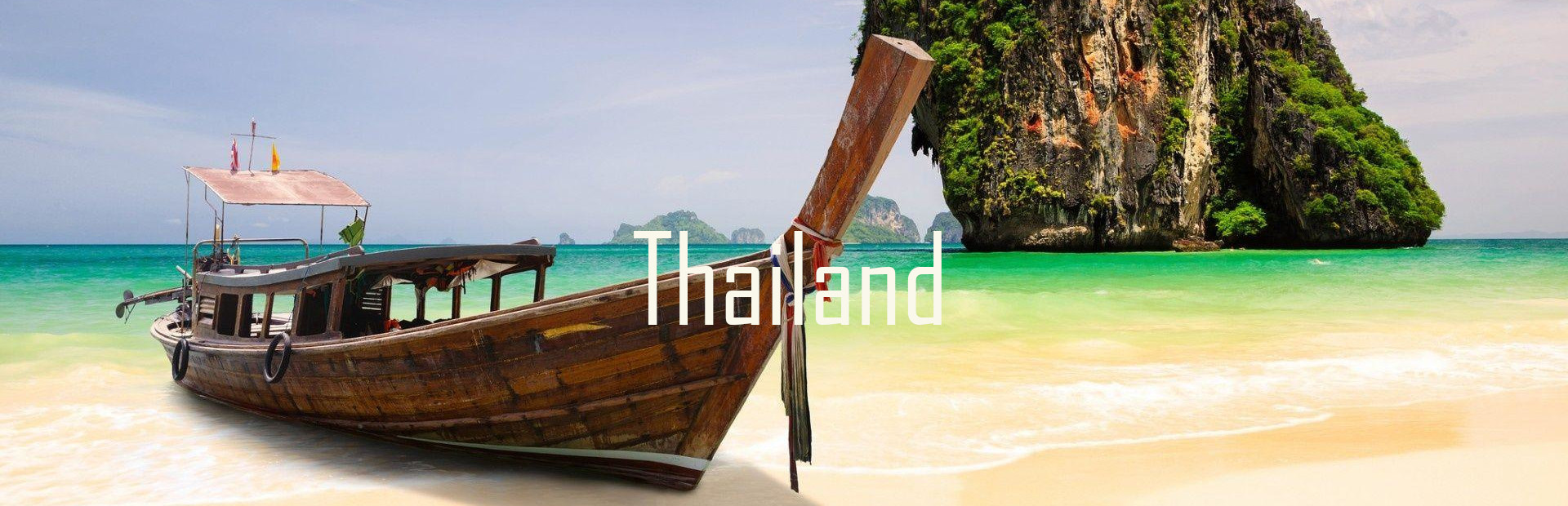
Thailand temples
Thailand temples reveal the country’s history and spiritual traditions through golden stupas, intricate carvings and striking contemporary art. From Bangkok’s royal sanctuaries to Ayutthaya’s ancient ruins and Chiang Rai’s White Temple, each offers a different perspective on Thai culture. Join Style Travel as we explore 15 remarkable temples and share practical tips to help you plan your visits.
Wat Phra Kaew among the Most Sacred Temples in Thailand
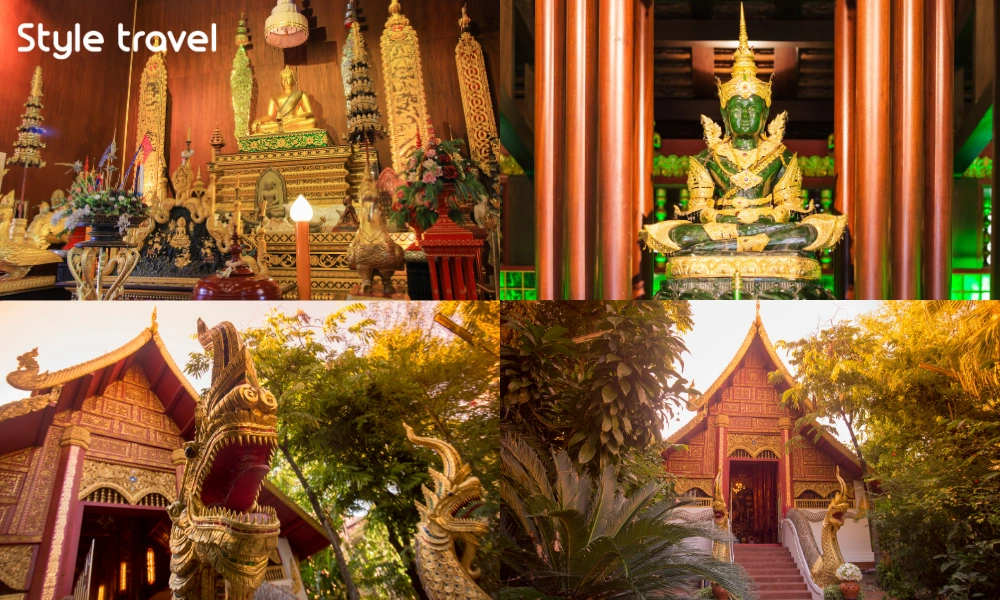
Located within Bangkok’s Grand Palace, Wat Phra Kaew (Temple of the Emerald Buddha) is Thailand’s most revered temple. Its highlight is the Emerald Buddha, a sacred statue carved from a single piece of jade, with seasonal robes changed by the King. The temple features golden stupas, intricate murals depicting the Ramayana, and elaborate royal architecture adorned with gold and gemstones. As the spiritual heart of Thailand, Wat Phra Kaew offers a unique glimpse into the country’s history, culture, and devotion, making it a must-visit destination for travelers.

White Temple – Wat Rong Khun
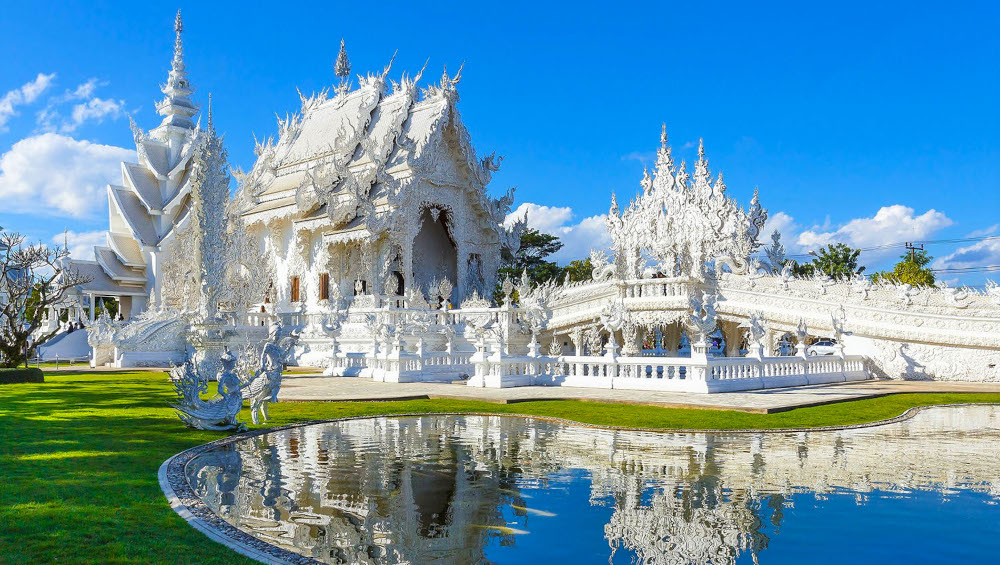
Wat Rong Khun, better known as the White Temple, offers a different experience from an ancient monastery. Artist Chalermchai Kositpipat developed this Chiang Rai complex around contemporary Buddhist art, combining white plaster, mirrored details and imagery that can be beautiful, unsettling or deliberately unexpected.
The approach to the main hall crosses a bridge beside reaching hand sculptures, often interpreted as a reminder of desire and attachment. Look beyond the exterior to understand how the sculptures and interior murals contribute to the wider message. Photography is not permitted inside the main hall, so follow signs rather than assuming the rules are the same throughout the grounds. Our white temple thailand guide explains the main features and how to plan your visit.

Wat Rong Suea Ten among the Most Colorful Temples in Thailand
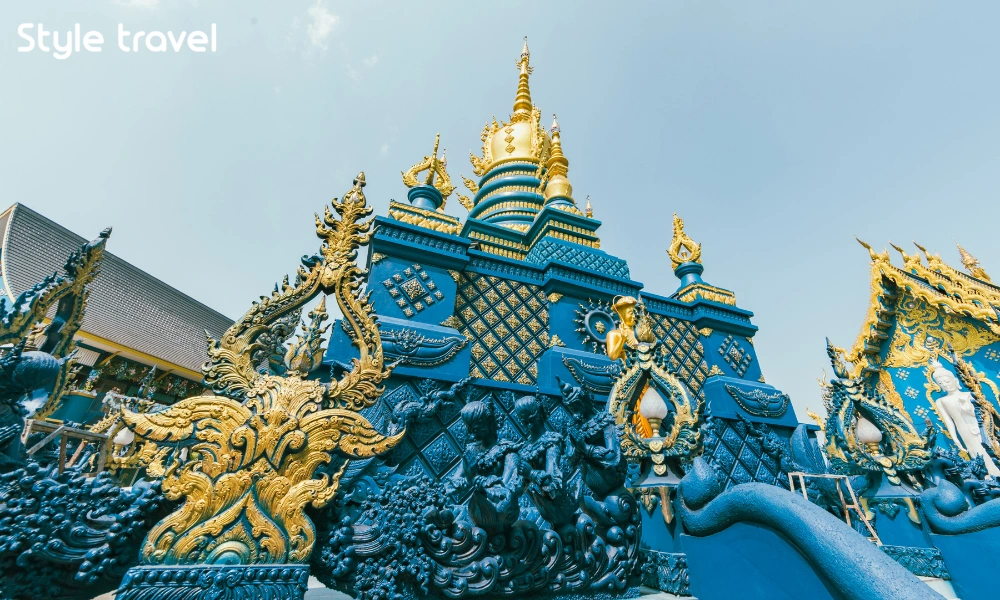
Standing out with its brilliant blue and gold design, Wat Rong Suea Ten (Blue Temple) is one of Chiang Rai’s most striking attractions. Created by a disciple of Chalermchai Kositpipat, it showcases a fusion of traditional Thai motifs and modern artistic elements. The temple’s deep blue color symbolizes wisdom, while the giant white Buddha inside exudes peace and enlightenment. With intricate murals and glowing details, this temple offers a truly unique and mesmerizing experience for visitors to Northern Thailand.

Wat Arun – Temple of the dawn
Rising majestically along the Chao Phraya River, Wat Arun is one of Bangkok’s most iconic landmarks. Known as the Temple of the Dawn, it features a stunning central prang (Khmer-style tower) decorated with colorful porcelain and seashells, which shimmer beautifully at sunrise and sunset. Visitors can climb the steep steps for breathtaking panoramic views of the river and city skyline. With its unique architecture and historical significance, Wat Arun is a must-visit temple that showcases the beauty of Thai craftsmanship.

Wat Pho among the Best Known Temples in Thailand
Home to Bangkok’s largest reclining Buddha, Wat Pho is one of Thailand’s most famous temples. The 46-meter-long golden Buddha symbolizes enlightenment and serenity, drawing visitors from around the world. Beyond its stunning architecture, Wat Pho is also the birthplace of traditional Thai massage, offering authentic treatments within its historic grounds. Located near Wat Arun and the Grand Palace, this temple is a must-visit for those exploring Bangkok’s rich cultural heritage.

Wat Saket (Golden Mount)
Perched atop a man-made hill, Wat Saket (Golden Mount) offers panoramic views of Bangkok. This historic temple is famous for its golden chedi, which houses sacred Buddhist relics. Visitors can climb 344 steps surrounded by lush greenery and ringing bells, creating a peaceful escape from the city’s hustle. With its rich history and breathtaking skyline views, Wat Saket is a must-visit for those seeking both spirituality and scenery in Bangkok.

Wat Phra Singh – Chiang Mai’s revered temple
Nestled in Chiang Mai’s Old City, Wat Phra Singh is one of Northern Thailand’s most important temples. Known for its Lanna-style architecture, it houses the revered Phra Singh Buddha, a highly venerated image. The temple complex features ornate golden structures, intricate wood carvings, and ancient murals depicting local history. A spiritual and cultural landmark, Wat Phra Singh is a must-visit for those exploring Chiang Mai’s rich heritage.

Wat Phrathat Doi Suthep – The sacred jewel of Chiang Mai
Perched on Doi Suthep Mountain, Wat Phrathat Doi Suthep is Chiang Mai’s most sacred temple. Its golden chedi gleams under the sun, housing relics of the Buddha and drawing pilgrims and visitors alike. To reach the temple, visitors climb 306 steps flanked by mythical Naga serpents or take a scenic cable car. From the top, breathtaking panoramic views of Chiang Mai await, making this temple a must-visit spiritual and cultural landmark.

Phuket Big Buddha and Southern Thailand Temples
Towering at 45 meters, the Big Buddha of Phuket is one of the island’s most famous landmarks. Sitting atop Nakkerd Hill, this majestic statue offers panoramic views of Phuket, including the sea and surrounding mountains. Made of white marble, it symbolizes peace and enlightenment. Visitors can explore the temple grounds, hear the sound of prayer bells, and experience a serene spiritual atmosphere. A must-visit for those seeking culture, spirituality, and breathtaking scenery in Phuket.

Chalong Temple – Phuket’s most revered temple
As Phuket’s most important Buddhist temple, Wat Chalong is a sacred site for both locals and visitors. The temple is home to a revered relic of the Buddha, housed in its towering Grand Pagoda, which is beautifully decorated with intricate murals. Visitors can explore the serene grounds, admire the ornate Thai architecture, and experience the temple’s spiritual atmosphere. A visit to Wat Chalong offers a glimpse into Phuket’s rich cultural and religious heritage.

Wat Chaiwatthanaram among the Riverside Temples in Thailand
Wat Chaiwatthanaram stands beside the Chao Phraya River in Ayutthaya. Its central prang and surrounding towers reveal a different architectural tradition from Chiang Mai’s gilded chedis or Chiang Rai’s modern designs. Walking around the complex helps you appreciate the symmetry and scale of the former royal monastery.
The open setting is particularly appealing for photography, though shade is limited and access depends on the site’s visiting hours. Stay on permitted paths and leave historic structures undisturbed rather than climbing for a better angle. This riverside ruin works well as part of a wider historical route; our guide to things to do in ayutthaya thailand can help you combine it with other temples and time away from the ruins.

Wat Mahathat – Famous temple in Thailand
Located in Ayutthaya Historical Park, Wat Mahathat is best known for the iconic Buddha head entwined in tree roots, a symbol of Thailand’s ancient heritage. Once a grand royal monastery, its crumbling stupas and towering prangs tell the story of Ayutthaya’s past glory. Visitors can explore the mystical ruins and experience the spiritual atmosphere of this UNESCO-listed site. A must-visit for history and culture enthusiasts.

Wat Phra Si Sanphet among the Royal Temples in Thailand
Wat Phra Si Sanphet was the royal temple within Ayutthaya’s former palace grounds. Its three prominent chedis are among the city’s most recognizable landmarks and are associated with the ashes of Ayutthaya kings. The surviving structures help convey the ceremonial importance of the former capital.
This is a place to explore royal history and architectural remains rather than expect a complete, functioning temple interior. Walk around the chedis using the designated routes and take time to look at the surrounding foundations. The site combines conveniently with nearby historical attractions, but exposed ground and midday heat can make an overfilled itinerary uncomfortable. If deciding how Ayutthaya fits into a wider journey, compare other places to visit in thailand before fixing your route.

Wat Suthat a Historic Thailand Temple beside the Giant Swing
Home to Bangkok’s iconic Giant Swing, Wat Suthat is one of the city’s most important temples. Known for its elegant architecture, intricate murals, and massive bronze Buddha, it offers a glimpse into Thailand’s rich artistic and spiritual traditions. The temple’s peaceful atmosphere makes it a hidden gem amid Bangkok’s bustling streets, perfect for those seeking history, culture, and serenity.

Tiger Cave Temple among the Hilltop Temples in Thailand
Nestled in Krabi’s limestone cliffs, Tiger Cave Temple (Wat Tham Sua) is famous for its breathtaking mountain views and sacred caves. Visitors can climb 1,260 steep steps to reach the summit, where a golden Buddha statue overlooks the stunning landscape. The temple is also home to meditating monks, ancient relics, and tiger paw-shaped cave imprints, adding to its mystique. A must-visit for adventurers and spiritual seekers alike.

These Thailand temples offer different reasons to visit, from royal history and religious art to archaeological ruins and mountain settings. Choose a small number that fit your interests and travel route, leaving time to appreciate each one. Contact Style Travel with your travel dates, preferred destinations and any mobility requirements for help planning a suitable itinerary.
FAQs
What should I wear to a temple in Thailand?
If you’re planning to visit a temple in Thailand, it’s important to dress respectfully by wearing clothing that covers your shoulders and knees. Avoid tight, revealing, or see-through outfits. Most temples require visitors to remove their shoes before entering as a sign of respect for the sacred space. Designated areas are provided for shoe storage, and some temples offer cover-ups if needed.
Can I take photos inside the temple?
Most temples allow photography, but some areas may have restrictions. Always check for signs and turn off your camera flash to avoid disturbances. As temples are places of worship, it’s important to maintain silence and show respect – set your phone to silent mode, speak softly, and be mindful of those around you.
Can I interact with monks?
Women should not touch monks or hand objects directly to them. Instead, place items on a cloth or tray for the monk to receive. While men can interact more freely, it is still important to show respect by speaking politely and avoiding unnecessary physical contact. Additionally, visitors should not touch Buddha statues, and parents should ensure that young children do not climb or play on religious monuments.


Doi Suthep temple Thailand and the way to its golden chedi

White Temple Thailand and the Surreal Art of Wat Rong Khun

Lantern Festival Thailand Guide to Yi Peng and Loy Krathong

Songkran Festival Thailand Guide to Thailand Water Festival

Discover Koh Samet Island in Thailand for a Beach Getaway

Similan Islands Thailand Travel Guide with Practical Tips for 2026

Discover Khao Phing Kan Island in Thailand

Is Phi Phi Island Thailand worth visiting ?

Thailand Phangan Island Guide You Cannot Miss in 2026