

Thai foods
The Thailand food most worth trying on a first trip is Pad Thai, pad krapow (stir-fried basil pork), tom yum goong, green curry, khao soi in the north, som tum from the northeast, and mango sticky rice for dessert. Below are 24 dishes, grouped into classic meals, street food and desserts, plus tips on ordering, spice and prices.
Must-try traditional Thai food dishes
Most Thai meals mix sweet, sour, salty and spicy in the same dish, using fresh herbs like lemongrass, galangal and basil. These are the dishes you will see on almost every menu.
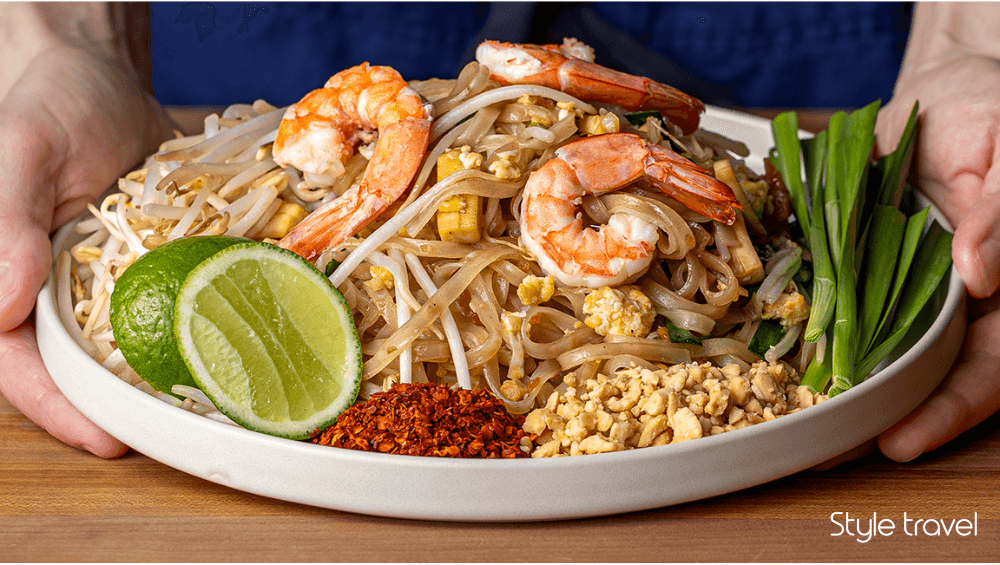
Pad Thai (tamarind stir-fried noodles)
Pad Thai is rice noodles stir-fried with tamarind sauce, egg, tofu, bean sprouts and shrimp or chicken, finished with crushed peanuts. It is sweet and sour rather than hot. Squeeze the lime over it and add chili flakes from the table if you want more kick.
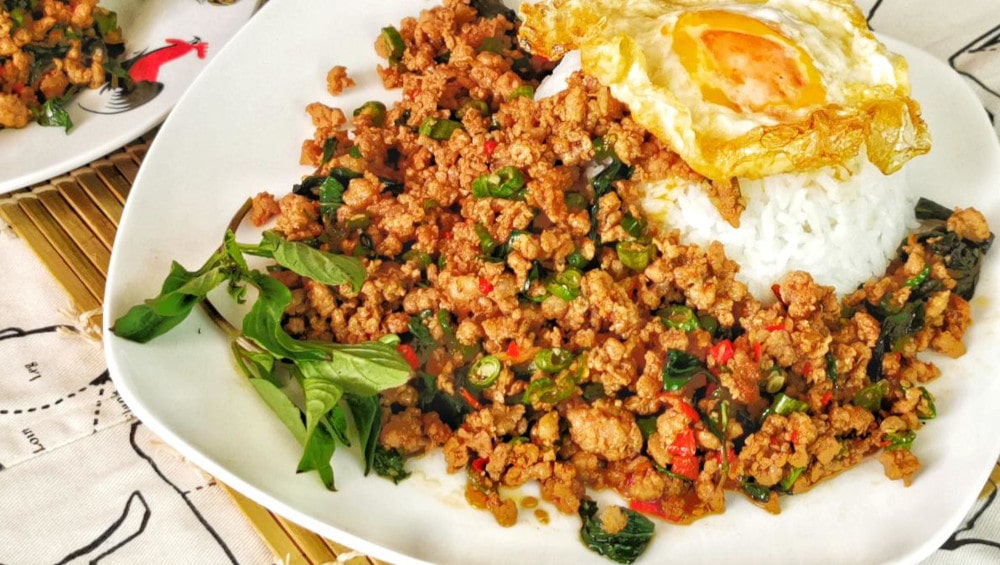
Pad Krapow Moo Saap (stir-fried pork with basil)
Pad krapow is the dish Thais order when they can’t decide. Minced pork is stir-fried in a very hot wok with holy basil, garlic, fresh chili and a splash of soy and oyster sauce, then served over rice. Ask for a fried egg on top, “kai dao”, the way most locals eat it.
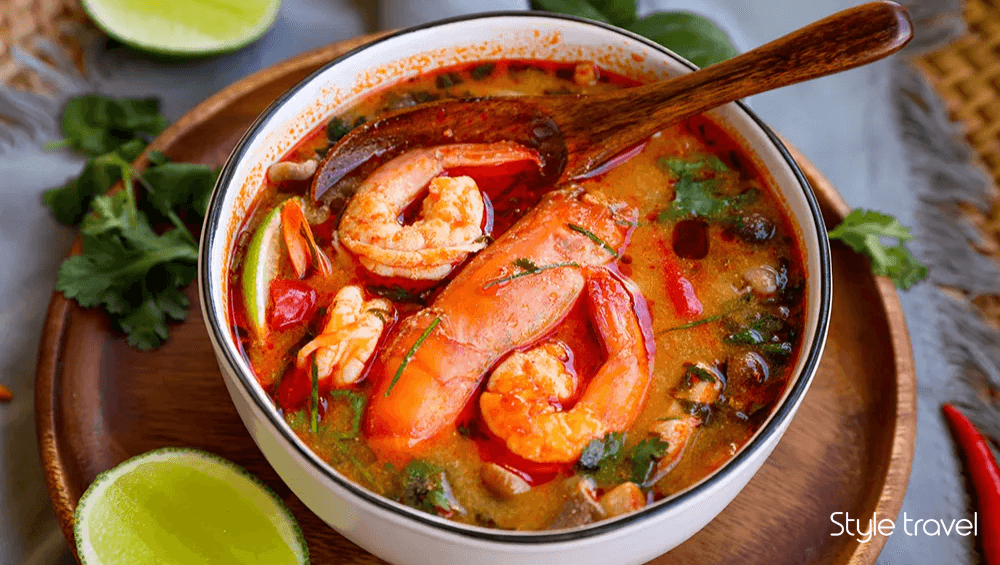
Tom Yum Goong (famous spicy shrimp soup)
Tom yum goong is a hot and sour shrimp soup made with lemongrass, kaffir lime leaves, galangal, lime juice and chilies. The clear version is sharp and light, while “nam khon” adds evaporated milk or coconut milk for a creamier bowl. Leave the pieces of lemongrass and galangal in the bowl, because they are only there for flavor.
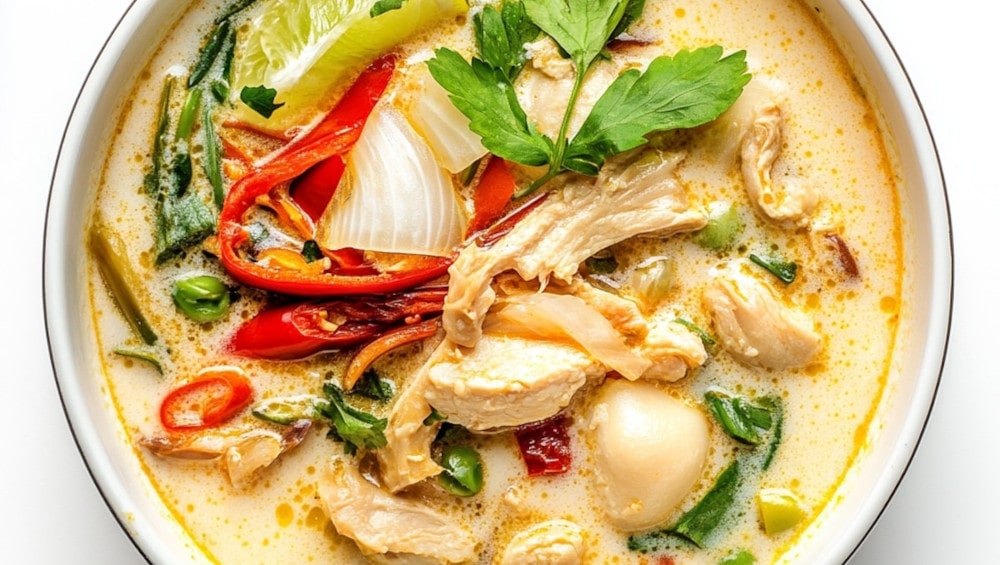
Tom Kha Gai (chicken soup with coconut milk and galangal)
Tom kha gai is the milder cousin of tom yum. Chicken simmers in coconut milk with galangal, lemongrass, lime leaves and mushrooms, so the soup is creamy, sour and only gently spicy. It is a good first dish if you are not used to chili.
Khao Soi (creamy coconut curry noodle soup)
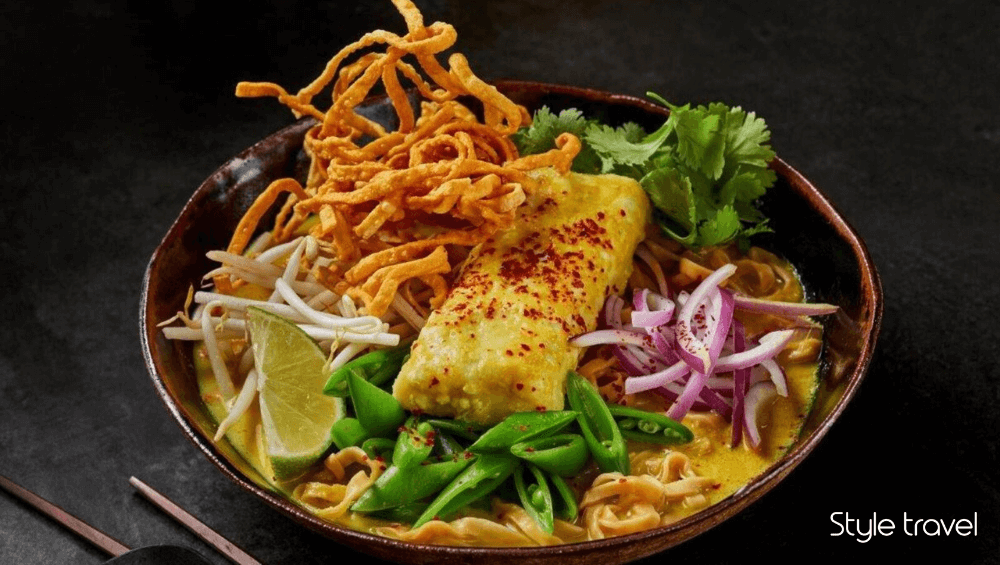
Khao soi is the signature noodle soup of Chiang Mai. Soft egg noodles sit in a coconut curry broth with braised chicken or beef, topped with a handful of crispy fried noodles. It comes with pickled mustard greens, shallots and lime on the side to stir in.
Kaeng Som (sour and spicy Thai soup)
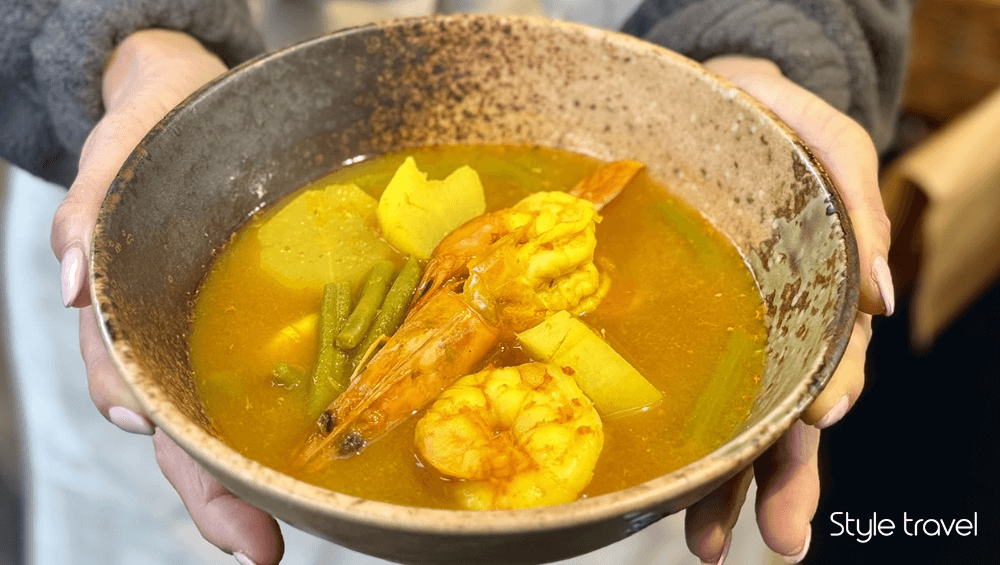
Kaeng som is a thin, sour curry soup made with tamarind and chili paste, usually cooked with fish or shrimp and vegetables such as papaya or cabbage. It has no coconut milk, so it is lighter than most curries, but it can be very spicy.
Khao Phat (Thailand’s traditional fried rice)
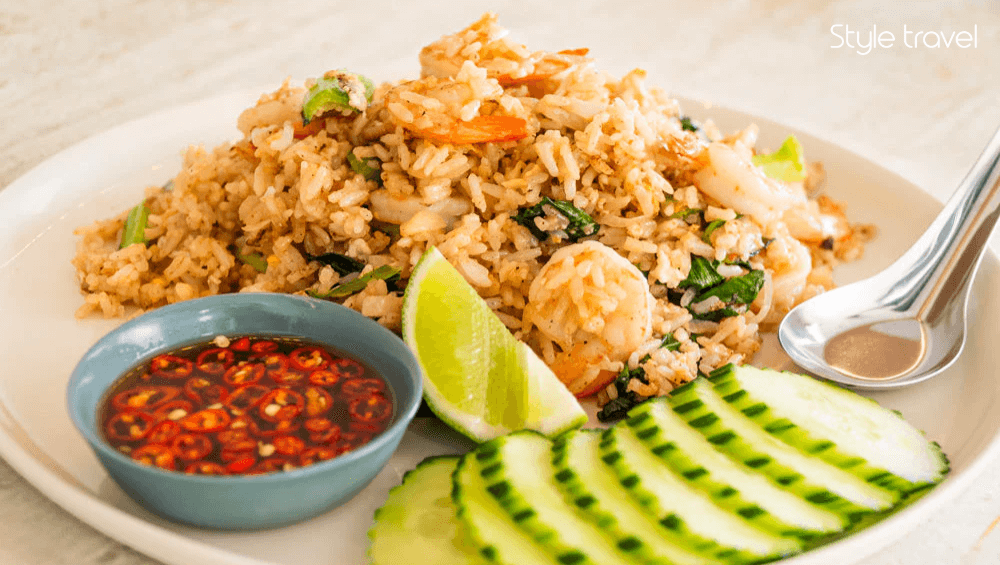
Khao phat is Thai fried rice. Jasmine rice is stir-fried with egg, garlic, onion and your choice of chicken, pork, shrimp or crab, and it comes with cucumber slices, a lime wedge and a small dish of fish sauce with chilies. It is a safe, mild order when you are tired of spice.
Massaman Curry (a beloved Thai curry)
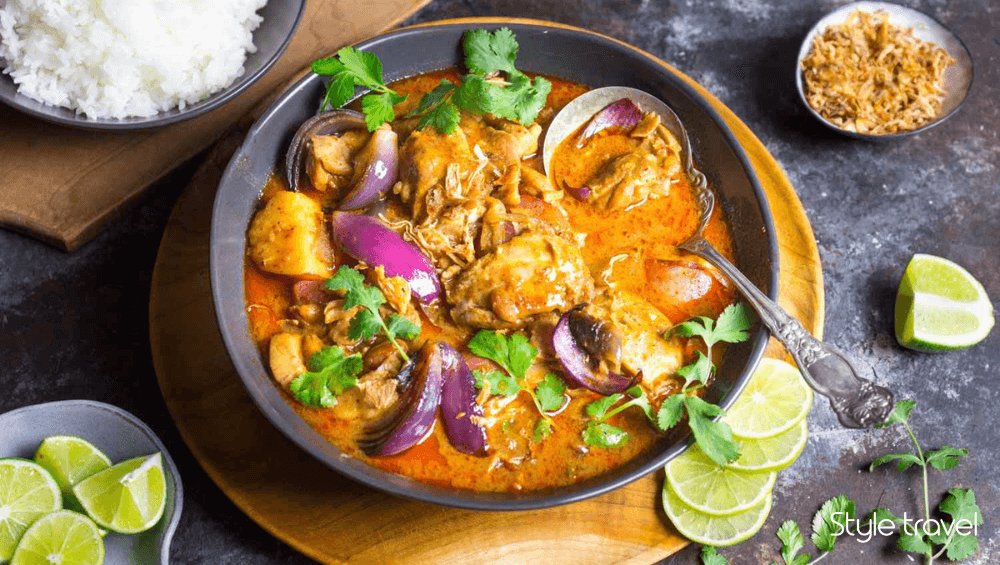
Massaman curry shows the influence of Persian and Indian traders, with cinnamon, cardamom and star anise in the paste. It is slow-cooked with beef or chicken, potatoes and peanuts in coconut milk. It is mild and slightly sweet, and a good choice for anyone who doesn’t like heat.
Green Curry (Thailand’s spicy and creamy curry)
Green curry, or gaeng keow wan, is made with a paste of fresh green chilies, so it is usually the hottest of the Thai curries. It is cooked in coconut milk with chicken or beef, small round Thai eggplants and sweet basil. Eat it with plain jasmine rice to balance the heat.

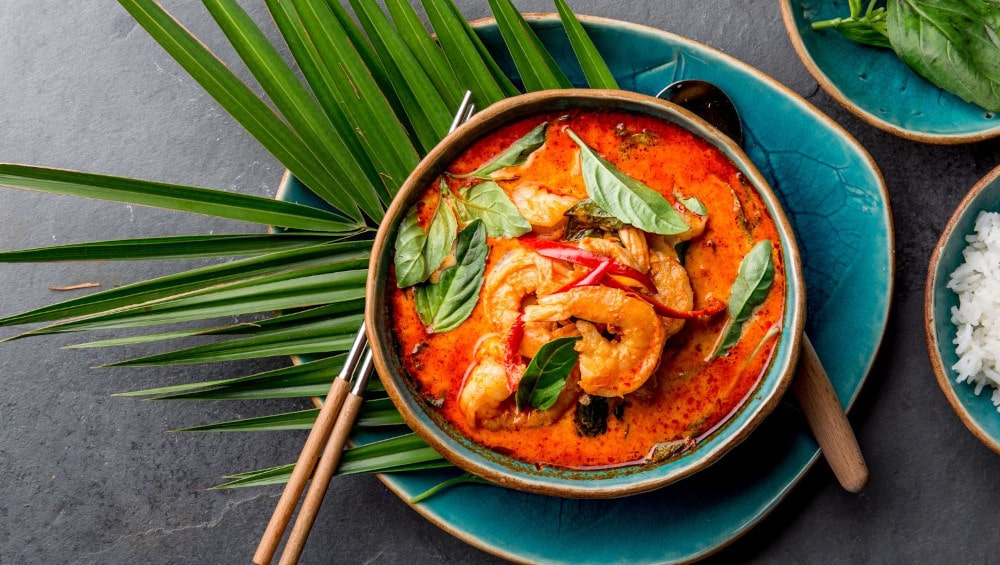
Gaeng Daeng (red curry)
Red curry gets its color and heat from dried red chilies pounded into the curry paste. It is usually cooked with chicken, pork or roast duck in coconut milk, with Thai eggplant and kaffir lime leaves. It is spicier than massaman but usually milder than green curry.
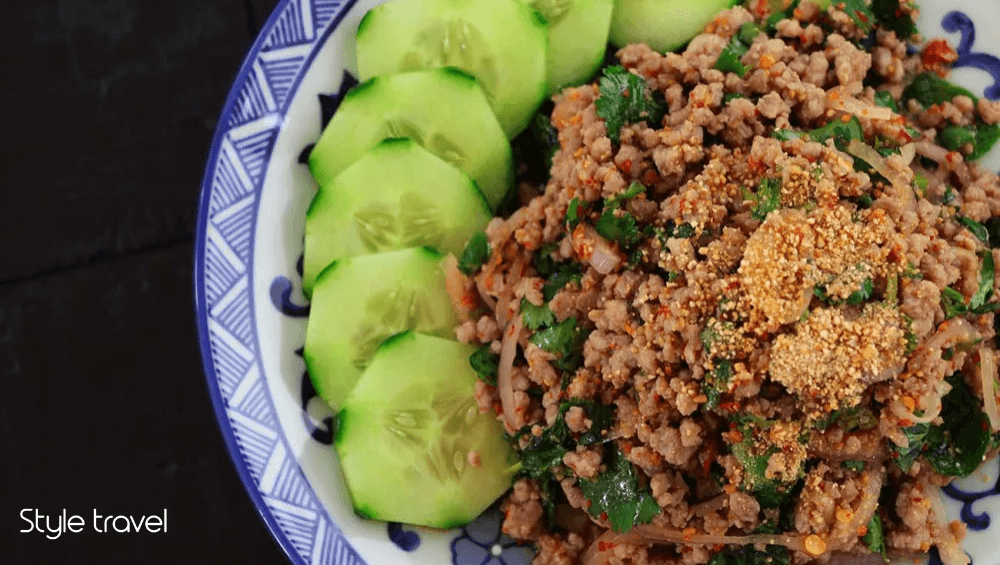
Laab (spicy minced meat salad)
Laab is a warm salad of minced pork or chicken mixed with lime juice, fish sauce, chili, mint, shallots and toasted rice powder, which gives it a nutty crunch. It comes from Isan, in northeastern Thailand, and is eaten with sticky rice and raw vegetables.
Famous Thai street food
A lot of everyday eating in Thailand happens at street stalls and markets. If your trip starts in the capital, our list of things to do in bangkok thailand points you to the best food streets. These are the dishes worth looking for.
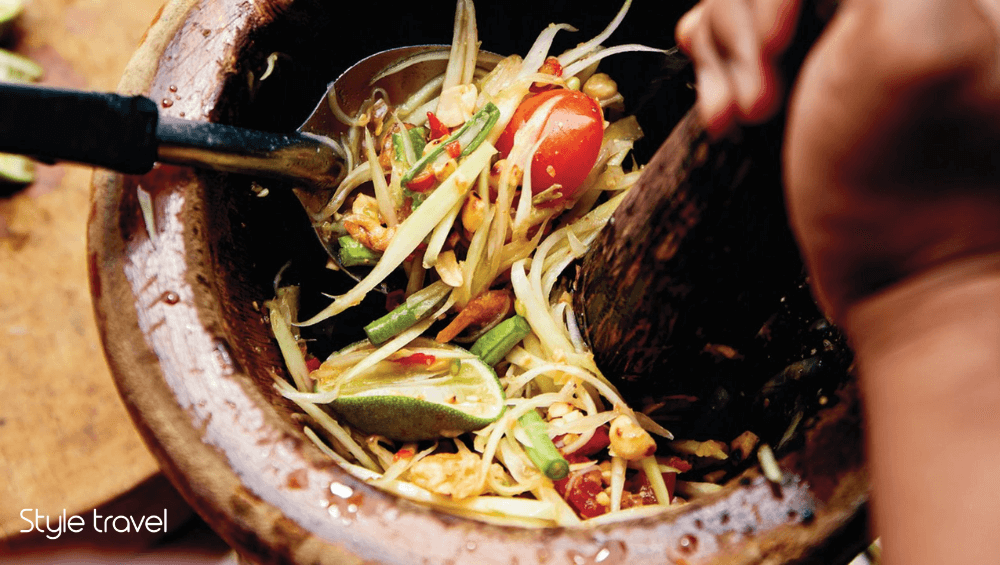
Som Tum (green papaya salad)
Som tum is shredded green papaya pounded in a mortar with chili, garlic, lime, fish sauce, palm sugar, tomatoes and peanuts. Vendors make each portion to order, so you can ask for fewer chilies. Locals eat it with sticky rice and grilled chicken.
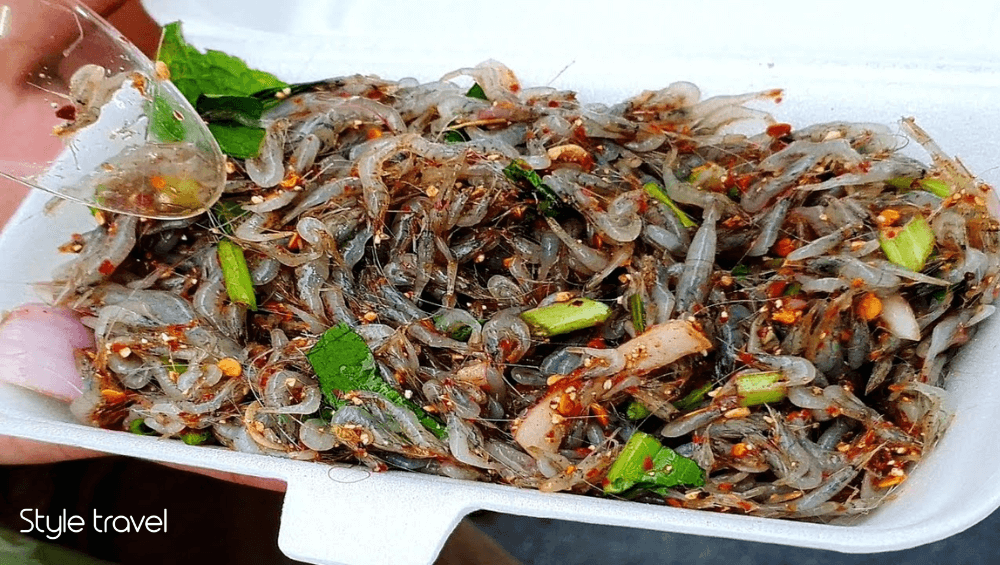
Goong Ten (spicy dancing shrimp)
Goong ten means “dancing shrimp”. Tiny live freshwater shrimp are tossed with lime juice, chili and herbs, and they are still moving when the bowl reaches you, which is where the name comes from. The shrimp are eaten raw, so skip this one if you have a sensitive stomach.
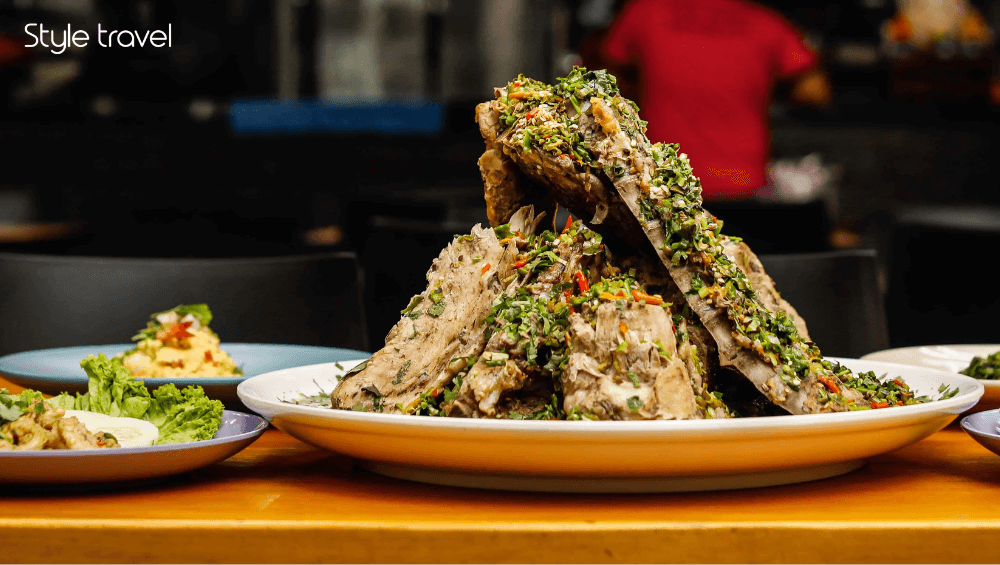
Leng Saap (giant spicy pork ribs)
Leng saap is a pile of pork spine bones simmered until the meat falls off, served in a sour, spicy broth with lots of chili, lime and cilantro. It is messy to eat, and many places give you plastic gloves.
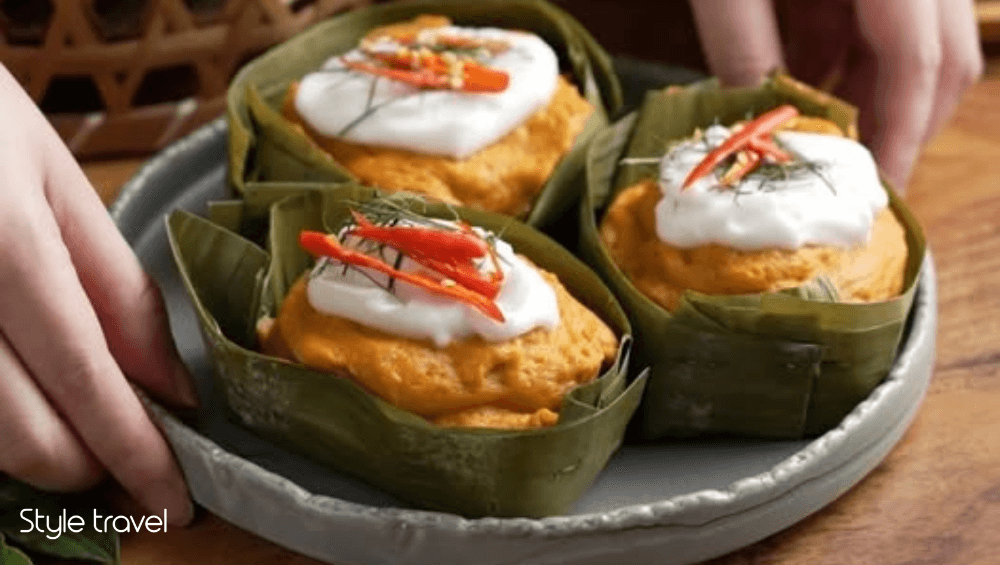
Hor Mok (Thai curry fish custard)
Hor mok is fish mixed with red curry paste, egg and coconut milk, then steamed in a banana leaf cup until it sets like a soft custard. It is topped with coconut cream and shredded lime leaves. Look for it at morning markets and food courts.
Sai Krok Isan (famous fermented sausage)
Sai krok Isan are small sausages of pork, rice and garlic that are left to ferment for a few days, which makes them slightly sour. They are grilled on charcoal and served with sliced ginger, raw cabbage and fresh chilies. You will find them at most night markets.

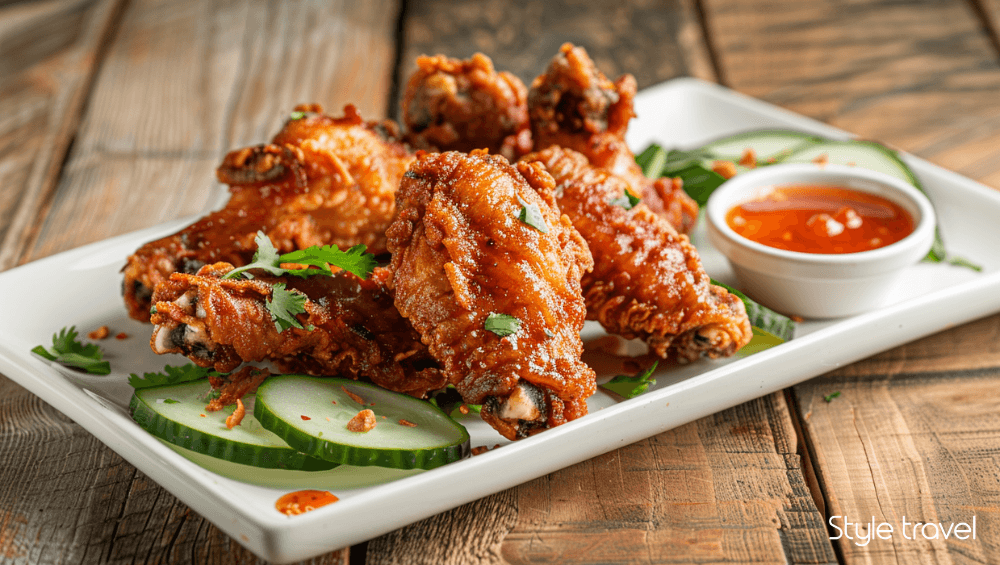
Gai Tod (crispy Thai fried chicken)
Gai tod is Thai fried chicken, marinated in garlic, coriander root and white pepper, then fried until crisp. The Hat Yai version from the south is topped with fried shallots. Order it with sticky rice and sweet chili sauce for a cheap, filling lunch.
Moo Ping (grilled pork skewers)
Moo ping are skewers of pork marinated in garlic, coconut milk, soy sauce and palm sugar, grilled slowly over charcoal. They are a classic Thai breakfast, sold early in the morning with a small bag of sticky rice. A few skewers cost less than a dollar.

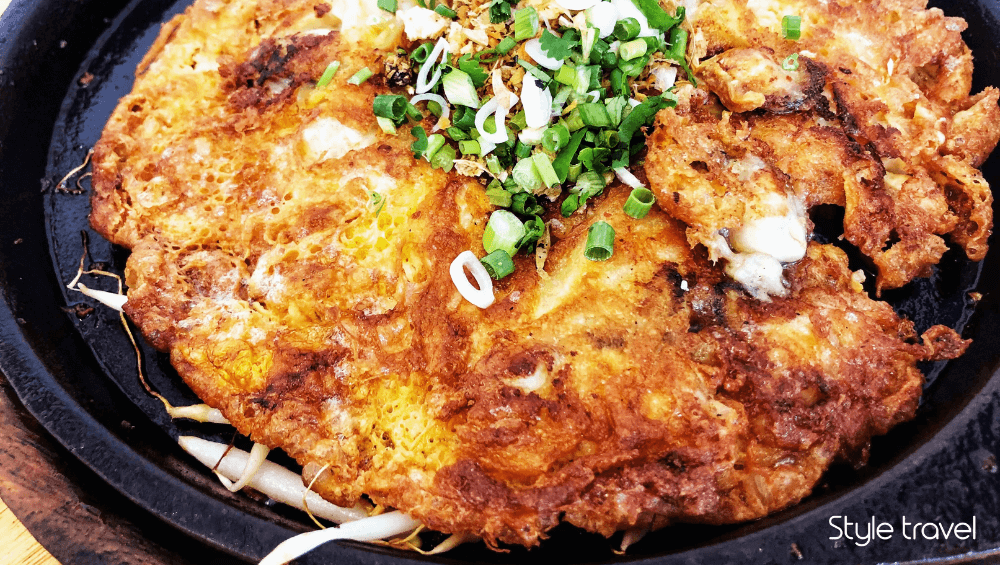
Hoy Tod (crispy oyster omelet)
Hoy tod is a crispy omelet made with mussels or oysters, egg and a rice flour batter, fried on a flat iron pan and served on a bed of bean sprouts. Eat it with the sweet and sour chili sauce that comes on the side.
Popular Thai desserts
Thai desserts are built on coconut milk, sticky rice, palm sugar and tropical fruit. Many are sold from carts and market stalls in the afternoon, and at a bangkok floating market vendors sell them straight from their boats.
Mango Sticky Rice (Thailand’s most popular dessert)
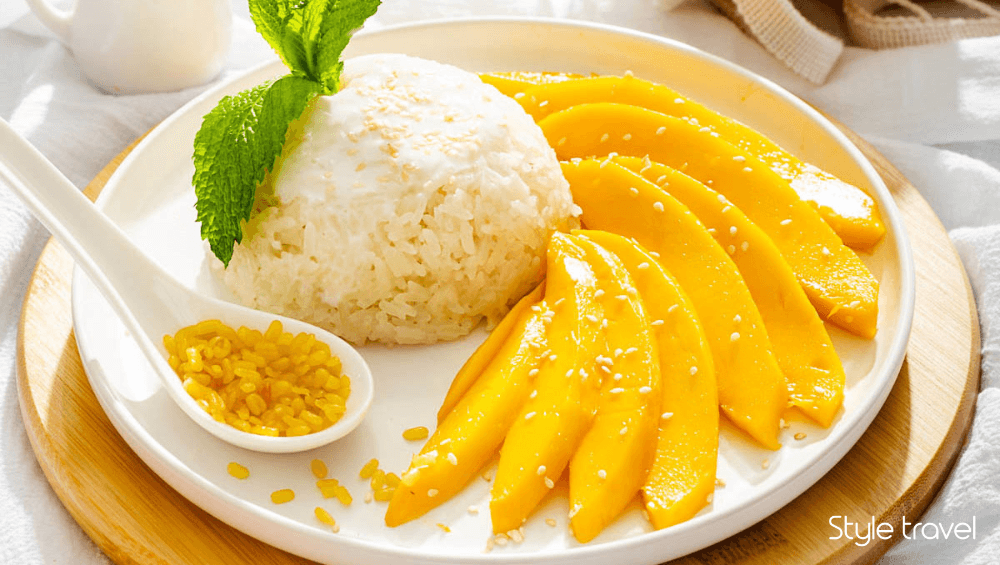
Mango sticky rice is sliced ripe mango served with sticky rice soaked in sweet, slightly salty coconut cream, often sprinkled with toasted mung beans. It is best from March to June, when Thai mangoes are in season.
Thapthim Krop (famous crunchy water chestnuts)
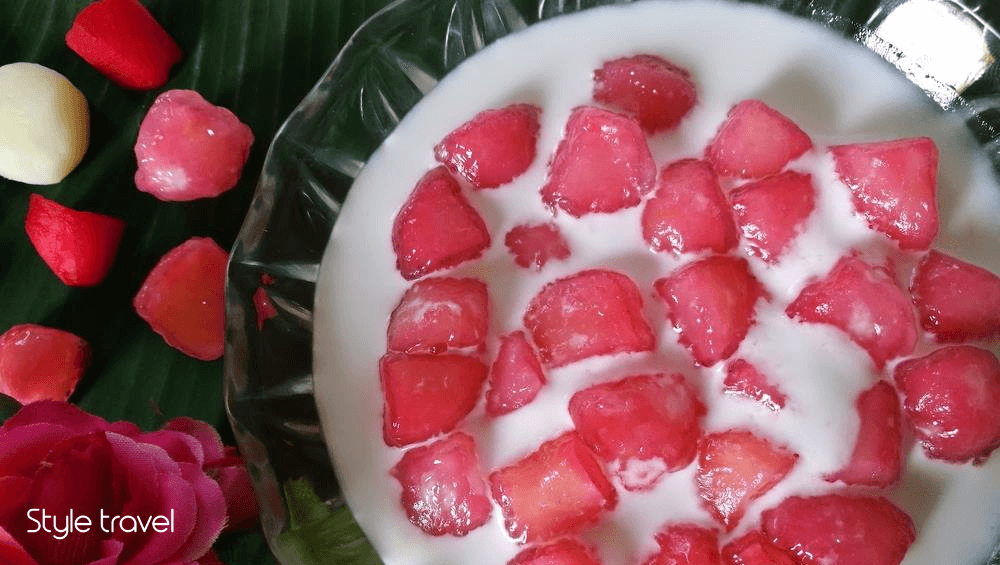
Thapthim krop means “crispy rubies”. Small cubes of water chestnut are coated in red-dyed tapioca flour, boiled, and served in sweet coconut milk over crushed ice. They are crunchy inside and chewy outside, and very refreshing on a hot afternoon.
Khanom Buang (Thai crispy crepes)
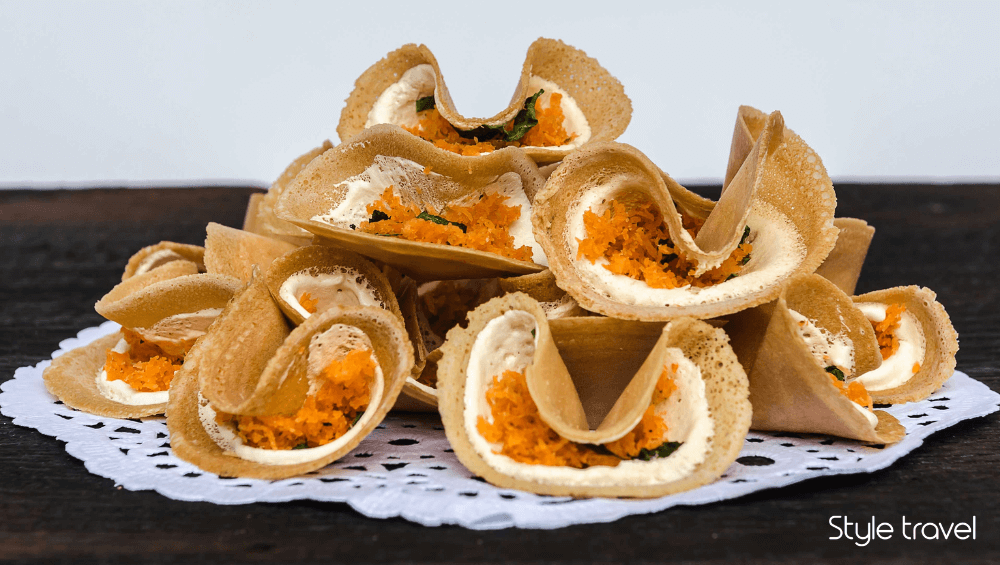
Khanom buang are small, thin crepes cooked on a hot griddle until crisp, then filled with meringue-like cream and either sweet shredded egg yolk or a savory mix of shrimp and coconut. Vendors make them in front of you, so buy them hot.
Foi Thong (golden egg threads)
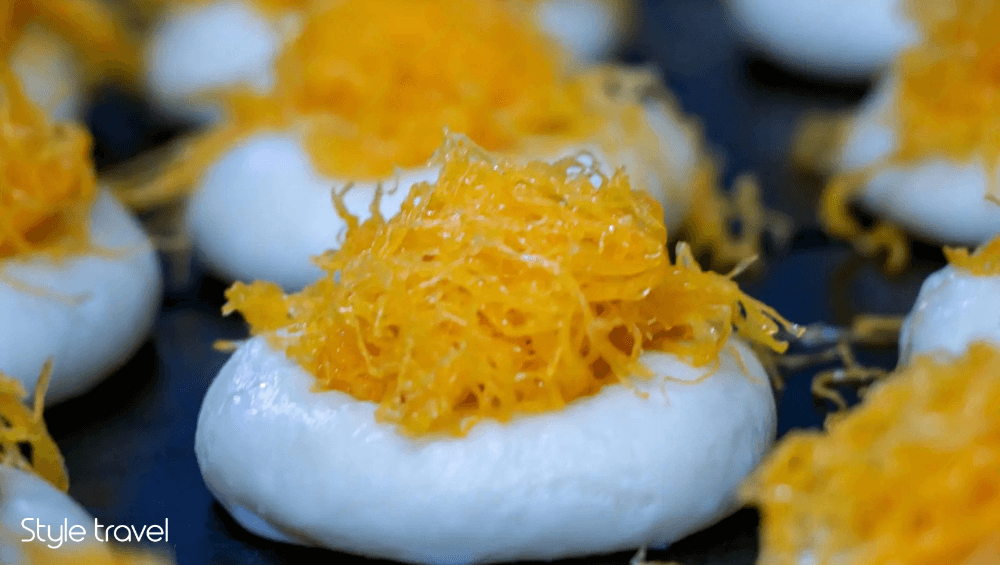
Foi thong are fine golden threads made by drizzling egg yolk into boiling sugar syrup. The recipe came from Portuguese cooks at the Ayutthaya court in the 17th century. They are very sweet, and they are often served at weddings and festivals for good luck.
Roti Gluay (sweet Thai banana roti)
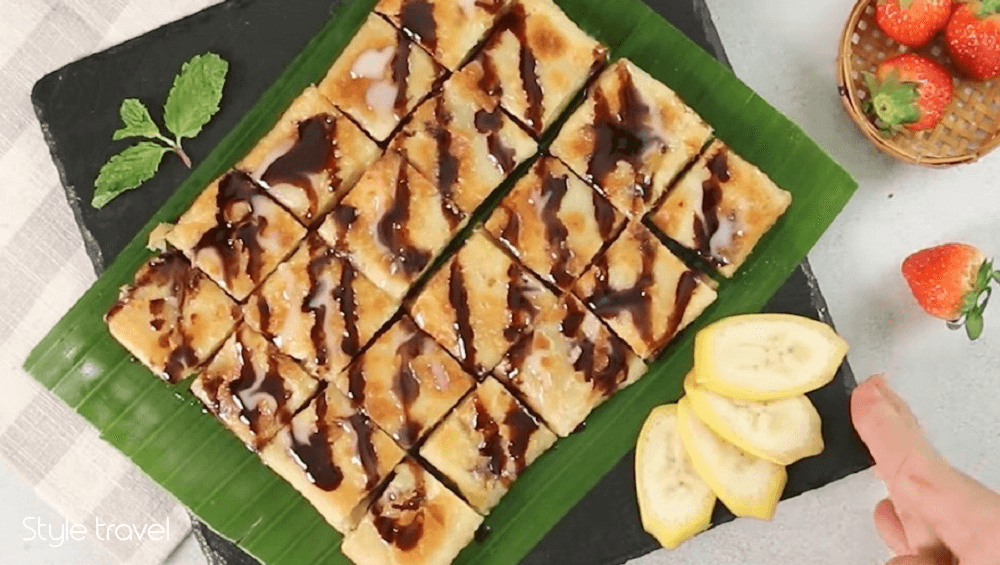
Roti gluay is a thin pan-fried dough wrapped around sliced banana and egg, then cut into squares and topped with condensed milk and sugar. It is a late-night snack on Khao San Road and in beach towns, cooked fresh at the cart for about 50 baht.
How to eat Thai food on your first trip
Ask for less spice
Thai cooks often tone down chili for foreigners, but street stalls may not. Say “mai phet” for not spicy, or “phet nit noi” for a little spicy. Condiments on the table, such as chili flakes, fish sauce, sugar and vinegar, let you adjust the taste yourself.
Food allergies
Peanuts, shrimp paste and fish sauce are in many dishes, including som tum, Pad Thai and most curries. If you have a serious allergy, carry a card in Thai that lists what you cannot eat, and show it when you order.
Vegetarian food
Look for a yellow flag with red letters. It marks “jay” food, which has no meat, fish sauce or animal products. Ordinary dishes can be made without meat, but they often still contain fish sauce.
Prices
A plate of noodles or rice at a street stall usually costs 50 to 100 baht, or about US$1.50 to US$3. Sit-down restaurants in Bangkok cost more, and hotel restaurants charge the most.
Is street food safe?
Choose busy stalls where food is cooked in front of you. Drink bottled water. Ice in restaurants is usually factory-made, and the tube-shaped cubes with a hole in the middle are a good sign.
Where to eat
Markets are the easiest way to taste many dishes in one evening. At a bangkok night market you can graze on grilled skewers, noodles and desserts from dozens of stalls for a few dollars.
FAQs about Thailand food
What is the most popular food in Thailand?
Pad Thai is the best-known Thai dish abroad, but in Thailand pad krapow, som tum and fried rice are eaten more often every day.
Is Thai food in Thailand spicier than in the US?
Usually yes. Ask for “mai phet” (not spicy) or start with mild dishes such as tom kha gai, massaman curry and khao phat.
What Thai food is good for people who don’t eat spicy food?
Khao phat (fried rice), massaman curry, gai tod (fried chicken), moo ping (pork skewers) and mango sticky rice are all mild.
How much is street food in Thailand?
Most street dishes cost 50 to 100 baht in 2026, which is about US$1.50 to US$3.
Plan a food trip to Thailand
Eating your way through Thailand is one of the top things to do in thailand, from a bowl of khao soi in Chiang Mai to grilled seafood on the islands.
If you want a private trip planned around food markets and cooking classes, Style Travel can build the route for you.


16 things to do in Koh Samui, Thailand

Doi Suthep temple Thailand and the way to its golden chedi

White Temple Thailand and the Surreal Art of Wat Rong Khun

Lantern Festival Thailand Guide to Yi Peng and Loy Krathong

Songkran Festival Thailand Guide to Thailand Water Festival

Discover Koh Samet Island in Thailand for a Beach Getaway

Similan Islands Thailand Travel Guide with Practical Tips for 2026

Discover Khao Phing Kan Island in Thailand

Is Phi Phi Island Thailand worth visiting?