
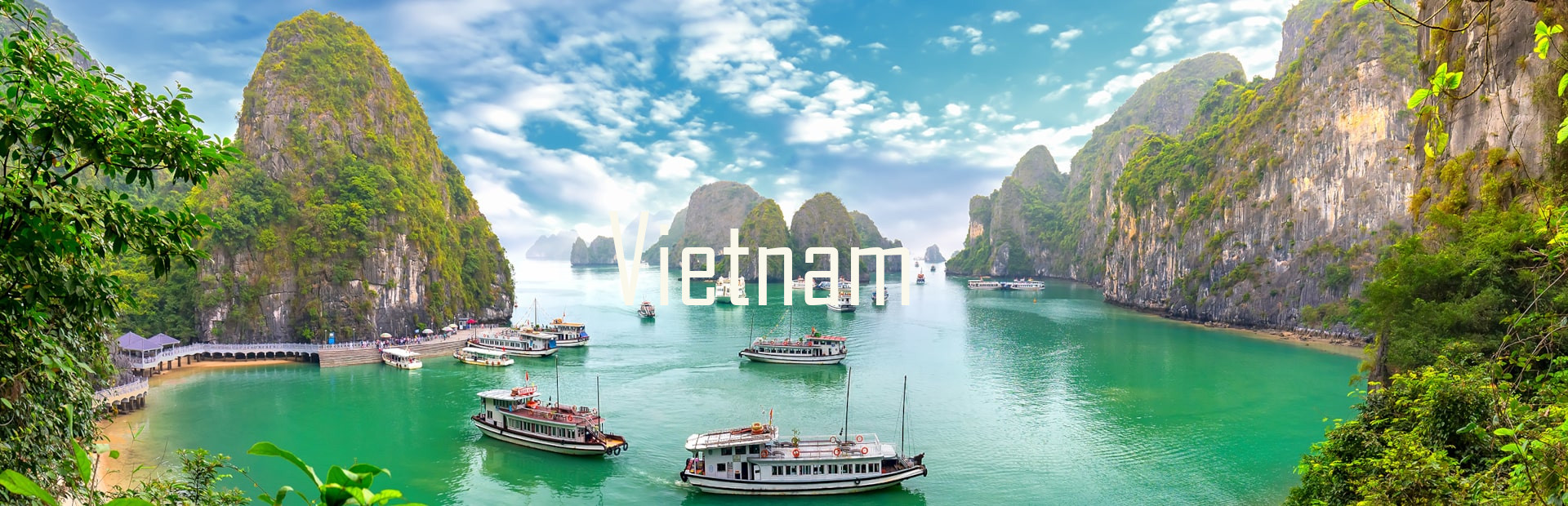
Vietnam travel tips
Planning a trip to Vietnam? This vibrant country offers a rich tapestry of culture, stunning landscapes, and delectable cuisine. To make the most of your journey, it’s essential to be well-prepared. Whether it’s knowing the best time to visit, local customs to observe, or must-try foods, our guide will provide you with invaluable Vietnam travel tips that ensure a memorable adventure.
Vietnam weather by region and season
Northern Vietnam experiences two distinct seasons: the hot and humid phase lasts from May to September, during which heavy rainfall occurs. From October to April, temperatures decrease, and the air becomes much drier.
Central Vietnam features summer from January to August, characterized by dry and warm weather. In contrast, from September to December, the region sees increased rainfall, despite still maintaining warm temperatures.
Southern Vietnam has a hot and dry period that extends from November to the end of April. Rain is common from May to October, yet it remains warm throughout.
=> In summary, the optimal time for Vietnam Tours is from November to April each year.
Vietnam visa requirements
All foreign travelers to Vietnam are required to obtain a visa, with the exception of citizens from countries that have bilateral visa exemption agreements with Vietnam. It’s essential to check your eligibility and ensure you have the necessary documentation for a smooth entry into this beautiful country.
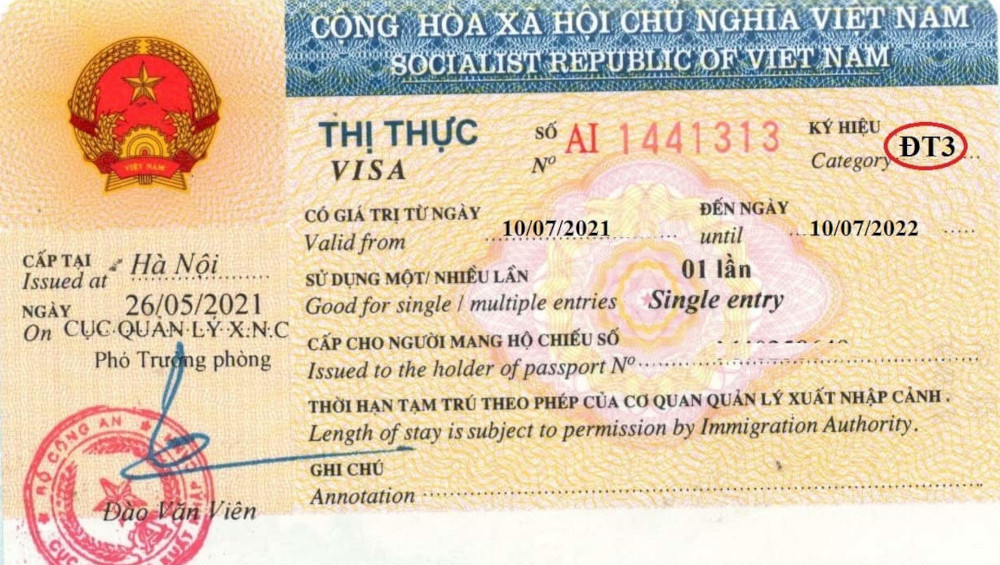
Only citizens from specific countries can enter Vietnam without obtaining a visa. These countries include the UK, Germany, France, Italy, Spain, Belarus, Norway, Sweden, Denmark, Finland, South Korea, Japan, and all ASEAN member states.
Citizens from other countries must apply for a Vietnam visa or can obtain a Vietnam E-Visa* through the following link: https://evisa.gov.vn
For a complete list of countries eligible for the Vietnam E-Visa*, please visit: https://evisa.xuatnhapcanh.gov.vn/documents/20181/117155/Vietnam-Evisa-nation-list.pdf/21e0f88f-d8a0-48b8-bfdb-a0f82b0853e2
Typically, it takes several working days to process the E-Visa, so it’s advisable to apply approximately 30 days before your departure to Vietnam. Additionally, once you apply or receive your E-Visa, take the time to thoroughly check that all information matches your passport and flight ticket. This includes details such as full name, passport number, expiration date, date of birth, gender, entry period to Vietnam, and the name of the airport or city where you will arrive.
If the information on your Vietnam E-Visa does not match your passport 100%, you may face issues during check-in at the airport, potentially preventing you from boarding your flight to Vietnam. We emphasize this point because we have seen several cases where travelers could not depart on their planned date due to discrepancies such as incorrect arrival times, passport numbers, or full names, despite our reminders.
Therefore, please ensure that all details in your passport and E-Visa are completely identical.
Tips for quickly and accurately applying for a Vietnam E-Visa
When submitting your E-Visa application, you will be required to upload a passport photo and an image of your identification card.
– Use your smartphone to capture your passport photo, ensuring it is clear, in color, and not blurry—making sure all key details in the passport are visible.
– For your identification card image, stand against a white wall and take a clear, color photo that presents yourself appropriately.
– Period of entry to Vietnam: Refer to your flight ticket for the date of entry. For example, if your ticket indicates arrival on January 10, 2026, you should enter this date, but it’s advisable to consider applying for entry a day or two earlier (like January 8 or 9, 2026).
– Name of airport/city upon arrival in Vietnam: Check your flight ticket for the destination city. If your flight shows you will arrive in “Hanoi,” ensure that you enter “Hanoi” in the relevant section of your E-Visa application.
Do’s and Don’ts in Vietnam
When visiting Vietnam, it’s important to understand local customs and traditions. Here are some key guidelines and things to avoid to ensure a respectful and enjoyable experience.
Dress appropriately
When visiting Pagodas, Temples, or the Mausoleum, it’s essential to dress respectfully and modestly. Avoid wearing shorts, skirts above the knee, or revealing attire. Additionally, when visiting the Ho Chi Minh Mausoleum, please refrain from bringing items such as food, drinks, lighters, e-cigarettes, or sharp objects.
Don’t misjudge travel time
In cities like Hanoi or Ho Chi Minh City, where private vehicles – especially motorbikes – dominate the streets, traffic congestion during peak hours is a well-known issue. To prevent delays, such as missing a flight, particularly an international one, it’s best to leave well in advance. We recommend booking a cab several hours ahead and factoring in potential traffic jams.
Avoid homemade or unlabeled alcohol
While in Vietnam, it’s best to steer clear of homemade or unlabeled alcohol, as it may contain dangerous substances like methanol.
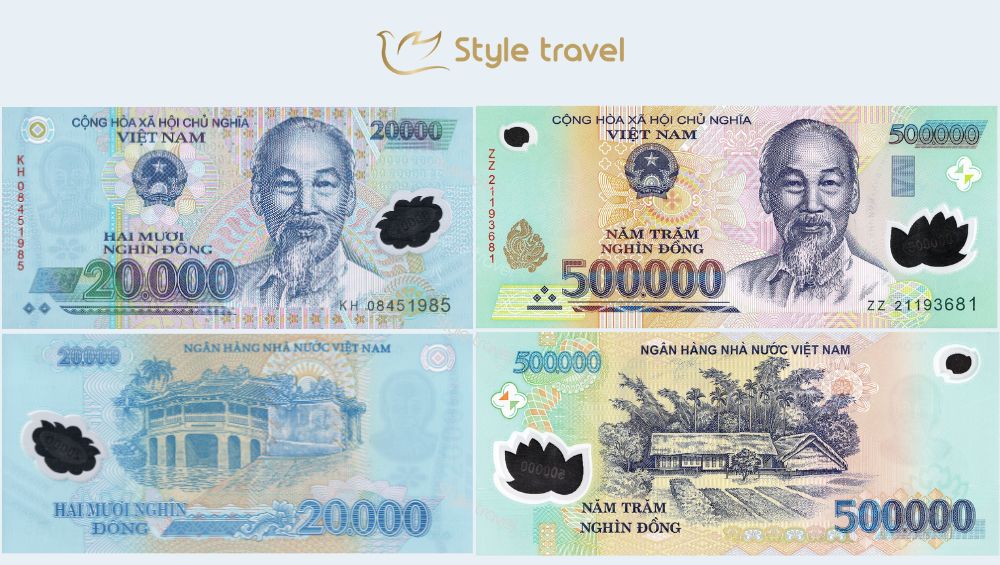
Pay close attention to the VND 20,000 and VND 500,000 bills
Vietnam’s currency, the Dong (VND), includes two similar-looking blue bills: the VND 20,000 (around 0.8 USD) and the VND 500,000 (around 20 USD). Even locals sometimes mix them up, especially in low lighting. To avoid mistakes while shopping, double-check these bills carefully.
Avoid traveling to Vietnam during Tết
Tết, or Vietnamese Lunar New Year, is the most important holiday of the year. During this time, locals take a break from work to reunite with their families, and many tourist attractions temporarily close. As a result, traveling to Vietnam during Tết may not be ideal.
Tết usually falls in late January or early February, with public holidays lasting around four days. Here are the upcoming dates for Vietnamese New Year:
- 2027: February 5,6,7,8
- 2028: January 25,26,27,28
- 2029: February 12,13,14,15
If you’re planning a trip, it’s best to check schedules in advance to avoid disruptions.
No need to buy a local SIM card
Wi-Fi is widely available throughout Vietnam and other Indochina countries, especially in hotels, restaurants, cafés, and shops. Because of this, purchasing a local SIM card isn’t essential. Simply connect to Wi-Fi, and you’ll be able to stay in touch with others without any issues.
Learn a few common Vietnamese phrases
While English is widely known, many Vietnamese people don’t speak it fluently. Learning a few basic Vietnamese phrases can make your trip smoother and more enjoyable:
- Hello → Xin chào
- Goodbye → Tạm biệt
- Thank you → Cám ơn
- Bill, please → Tính tiền
- Please → Làm ơn
- Yes → Đúng
- No → Không
- How much is it? → Bao nhiêu tiền?
A little effort in speaking Vietnamese can go a long way in enhancing your travel experience!
Vietnam: A developing country where everyone’s a millionaire
Ever wondered what it feels like to be a millionaire? A trip to Vietnam can make that dream come true – at least on paper!
With an exchange rate of approximately 1 USD = 25,000 VND, just 40 USD will give you one million VND in hand. While the cost of living varies, handling large numbers in everyday transactions is a unique experience for travelers in Vietnam.
Carry enough cash
While online payments and credit cards are widely accepted in hotels, shops, and restaurants, cash is still king in Vietnam. Many local markets and casual eateries only take cash, so it’s best to carry some with you when heading out.
How to cross the road in Vietnam
In cities like Hanoi and Ho Chi Minh City, motorbikes fill the streets, making it challenging to cross the road—even at pedestrian crossings. Some riders may not stop, but don’t worry. The key is to walk steadily at a slow, consistent pace rather than stopping abruptly; motorbikes will maneuver around you. Raising your hand helps signal drivers that you’re crossing. Even at intersections with traffic lights, a red light doesn’t always mean vehicles will stop, so always check carefully before stepping onto the road. With patience and confidence, you’ll navigate the streets like a local!
Tipping in Vietnam
Tipping is not mandatory in Vietnam but is appreciated for good service.
– For private tours (2–6 people): A standard tip is $5 per guest per day for the tour guide and $2 per guest per day for the driver.
– For larger private groups (7 or more people): A tip of $3 per guest per day for the tour guide and $1 per guest per day for the driver is customary.
– At hotels and restaurants, tipping the bellboy or waitress $1 per service is common, though you can adjust based on the quality of service.
Street vendor photo scam
In Hanoi and Ho Chi Minh City, some street vendors target tourists by offering to take photos with their goods. While it may seem friendly, they often demand payment afterward. If you refuse, they may persistently follow you until you buy something or give them money. To avoid this, politely decline their offer from the start. If they insist, simply walk away.
Bring a travel adapter
Vietnam uses 220V voltage at 50Hz, with common plug types A (two flat pins), C (two round pins), and F (Schuko plug). If your electronic device has a three-pin plug, it’s best to bring a travel adapter to ensure compatibility.
Bargain when shopping at small stores or street markets
If a product has a fixed price, the seller is unlikely to negotiate. However, if there’s no price tag- especially in small shops or street markets – you should bargain. A good strategy is to offer 40-50% of the initial price. If the seller doesn’t agree, you can look elsewhere or pretend to walk away- this often encourages them to lower the price.
Beware of motorbike robberies
Snatch theft by motorbike riders is common in major cities like Hanoi and Ho Chi Minh City, targeting both locals and tourists. To stay safe, keep a firm grip on your phone, camera, bag, and valuables, and avoid using them near the roadside. Thieves often speed by from behind, making a quick getaway while putting victims at risk.
Use Grab or Green SM instead of taxis
When traveling in Vietnam, Grab and Green SM offer more advantages than traditional taxis:
– Fixed pricing – You see the fare before booking, avoiding overcharging.
– Honest routes – Drivers follow the best routes instead of taking detours to increase fares.
– Better experience – Grab and Green SM vehicles are usually newer and cleaner compared to taxis.
Read More: Thailand Travel Tips
Delicious local dishes in Vietnam
Vietnamese cuisine is celebrated for its unique blend of flavors, fresh ingredients, and regional specialties. With an array of savory dishes that cater to diverse tastes, the local foods in Vietnam offer an unforgettable culinary experience that every visitor should explore.
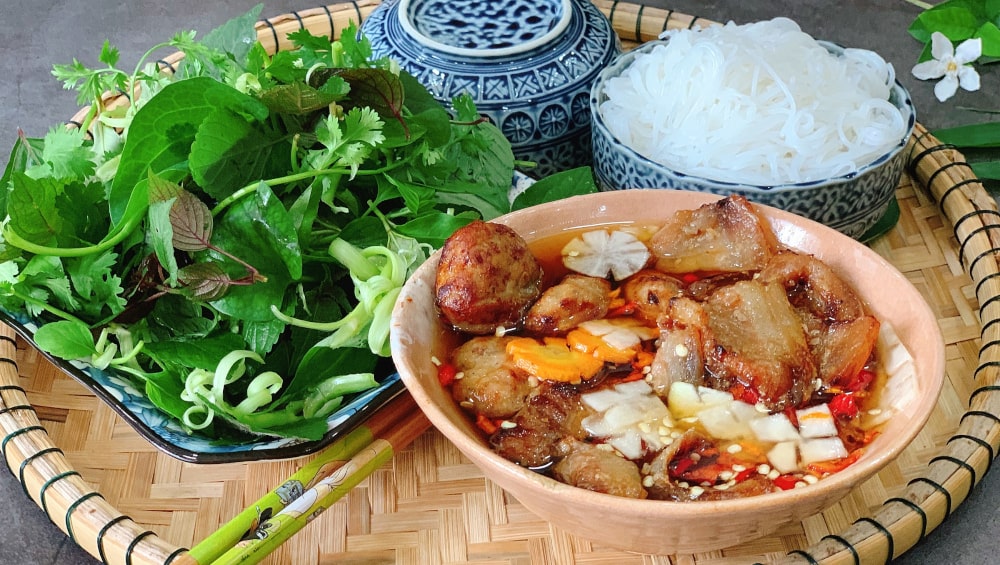
Bun Cha
Bun Cha is a perfect harmony of sour, spicy, salty, and sweet flavors. This dish comprises just three main components: grilled pork, chewy vermicelli, and a sweet and sour dipping sauce. Despite the simplicity of its ingredients, the taste is anything but basic. When served, the roasted pork and rice noodles blend beautifully, with the noodles clinging together while the pork gently falls apart in the sauce.
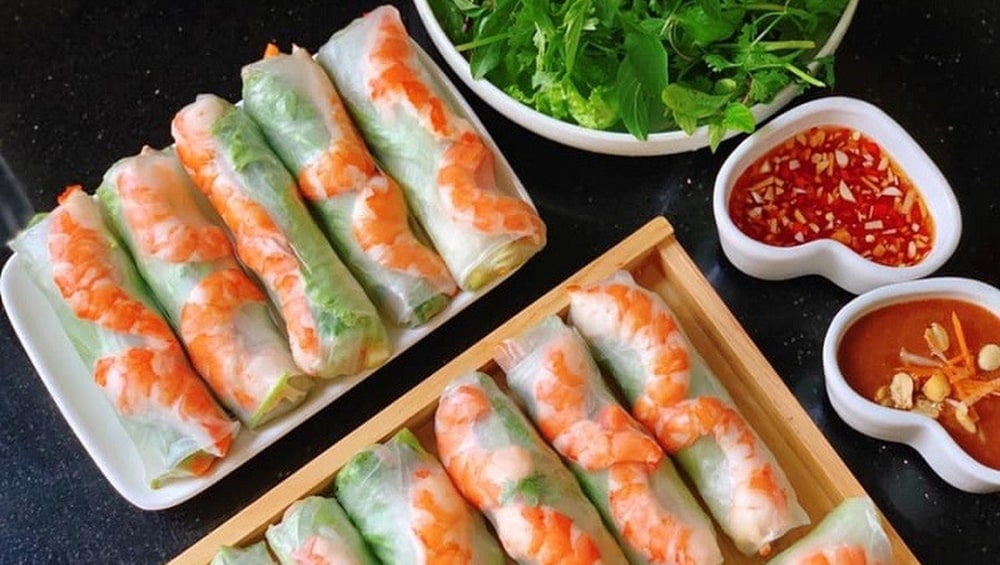
Goi Cuon
Goi cuon, or Vietnamese fresh spring rolls, are a beloved and iconic dish in Vietnam. These translucent rolls are made from rice paper and typically filled with a delightful combination of ingredients, including bean sprouts, pork, shrimp, spring onions, vermicelli, and eggs. When enjoyed with a dipping sauce made from chili, fish sauce, and minced garlic, the flavor experience becomes even more delightful.
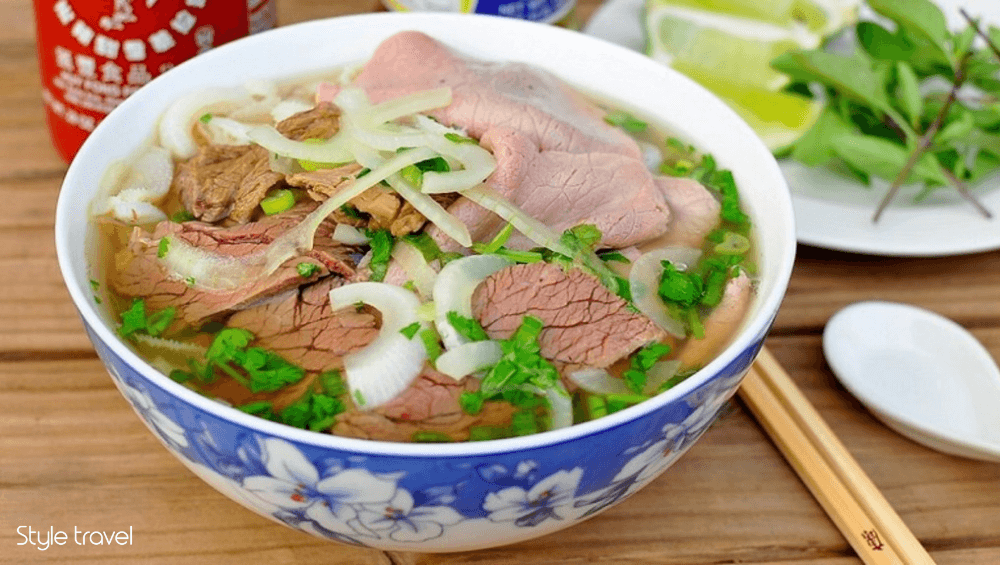
Pho
Vietnamese Pho is arguably the most iconic and traditional dish in the country. Fresh rice noodles, made from high-quality rice, are seasoned and served with either beef or chicken, accompanied by various types of coriander. Locals often enjoy pairing their delicious Pho with complimentary sides of fresh vegetables, including bean sprouts, mint, lettuce, and houttuynia, enhancing the overall flavor experience.
Cha Ca La Vong
Cha Ca La Vong is a beloved dish from Hanoi, made with pieces of whitefish that are marinated in galangal and turmeric before being grilled. The fish is cooked on a traditional charcoal burner, where the tender, flaky chunks sizzle alongside fragrant green onions. Typically served with a flavorful combination of fish sauce, fragrant herbs, rice vermicelli, and crushed peanuts, this dish offers a delightful blend of textures and flavors.
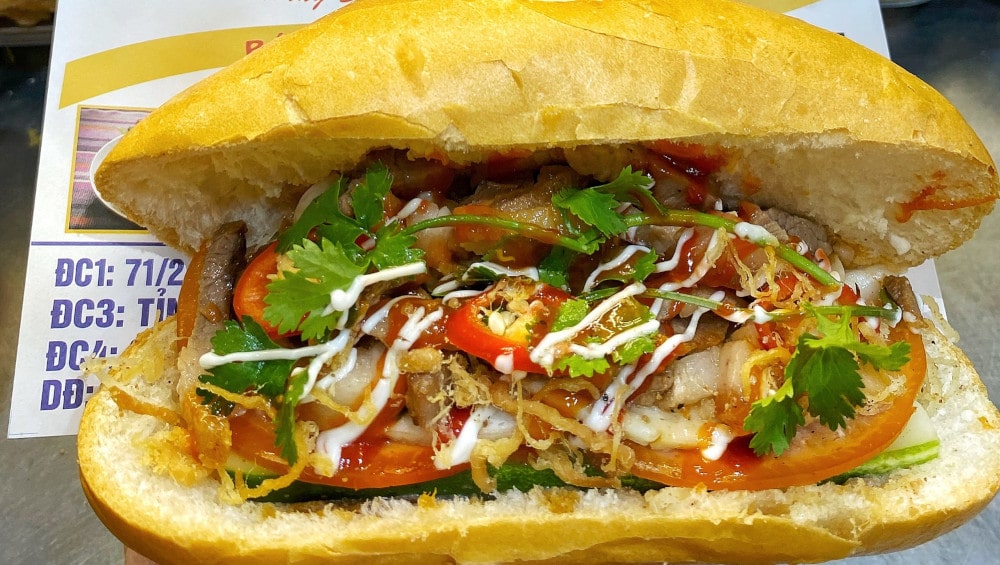
Banh Mi
Following pho, Banh Mi is ranked as the second most popular food. To increase the taste of the Banh Mi, the Vietnamese utilized sticky rice noodles made in their own country. Before eating, the Banh Mi was briefly toasted on a charcoal fire, sliced in half, and filled with Vietnamese beef, pig skin, fermented cucumber, and other ingredients. Then they are covered with mayonnaise or tomato sauce and chili sauce. You can buy Banh Mi in Vietnam’s laneways and streets.
Bun Dau Mam Tom
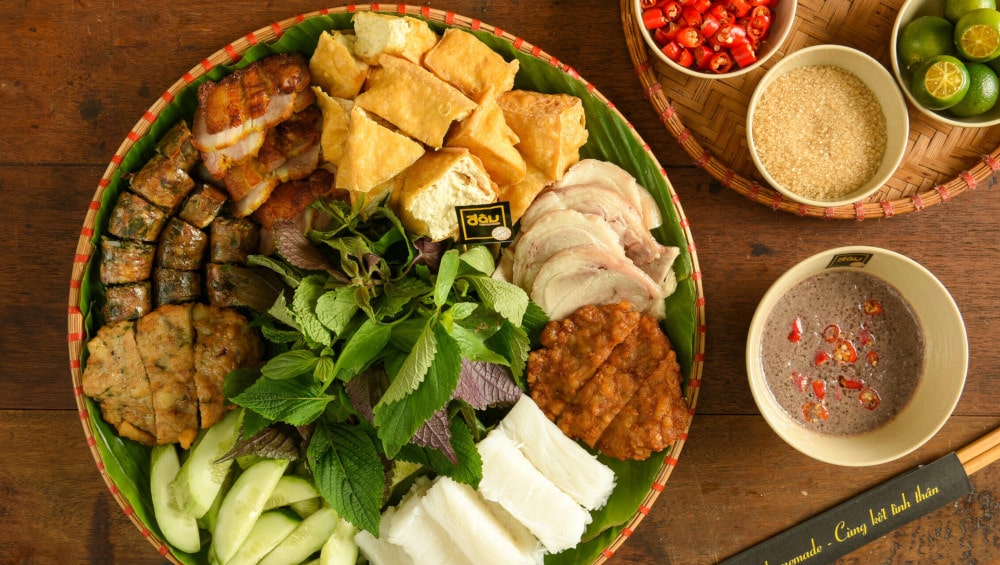
Bun Dau Mam Tom is a dish featuring deep-fried tofu, thin rice vermicelli, cucumber, and fresh herbs, all brought together by a distinctive fermented shrimp paste known as Mam Tom. This regional specialty is considered unique and has its own intricacies. To enjoy it fully, it’s recommended to squeeze a few kumquats and add chili peppers to the shrimp paste, stirring it until it becomes frothy—this preparation is what makes for a truly delicious Bun Dau Mam Tom experience.
Banh Xeo
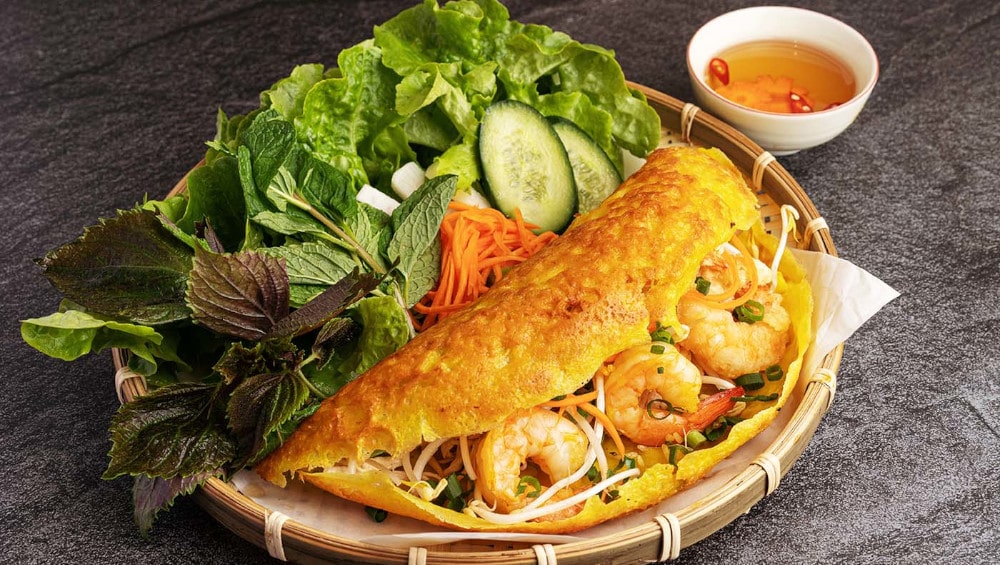
Banh Xeo, often referred to as Vietnamese pancakes, is a cherished local delicacy. These pancakes are typically prepared quickly by skilled cooks. A thin layer of batter made from rice flour, water, and turmeric is poured into a hot pan with oil. It is then topped with a flavorful mixture of thinly sliced pork belly, shrimp, onions, and bean sprouts. After a few minutes of cooking, the pancake is folded in half and served with crisp lettuce leaves and a sweet chili fish sauce. Enjoying Banh Xeo is a delightful experience, especially when paired with fresh herbs and vegetables alongside the special dipping sauce.
Mi Quang
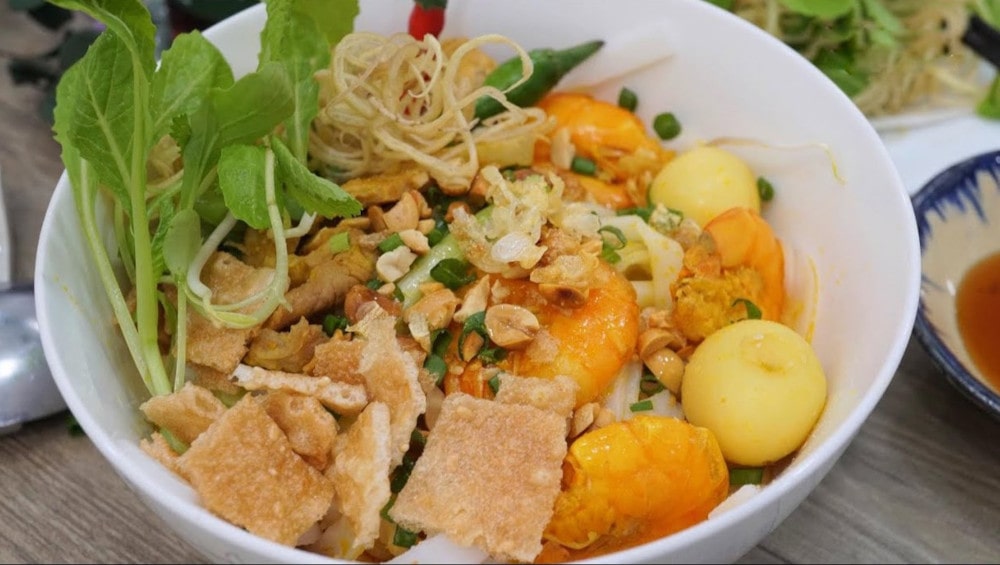
Mi Quang, or Vietnamese Turmeric Noodles, is a signature dish from Quảng Nam province, making it a must-try when visiting Hoi An. This dish features golden turmeric-infused noodles, a light fish-bone broth, and a mix of prawns, black pepper, shallots, and garlic. It’s topped with various meats, fresh herbs, and local greens, creating a flavorful and aromatic experience.
By keeping these Vietnam travel tips in mind, you can enjoy a smooth, safe, and unforgettable journey. Whether you’re looking for a customized itinerary or a hassle-free package tour, Style Travel is here to help! Contact us today to start planning your adventure.
Read More: Thai Foods


Vietnam travel tips

Popular destinations in Vietnam