
Festivals of Malaysia
Malaysia is where cultures beautifully converge, a vibrant blend of Malay, Chinese, Indian, and indigenous traditions living side by side in harmony. This rich cultural mosaic is best experienced not only through its cuisine or heritage architecture, but most vividly through the festivals that light up the country with joy, faith, and color.
Join Style Travel on a cultural journey through the Top 9 most iconic festivals in Malaysia, unforgettable celebrations that every culture-loving traveler should have on their bucket list.
Deepavali – Diwali in Malaysia
- Date: October or November (based on the Hindu lunar calendar, usually on Amavasya – new moon day)
- Main Locations: Kuala Lumpur (Brickfields – Little India), Klang, Penang, Ipoh, Johor Bahru
Deepavali, also known as Diwali, is the Festival of Lights and the most significant celebration for the Indian Hindu community in Malaysia. It marks the triumph of light over darkness and good over evil. Homes are cleaned and decorated with vibrant rangoli designs, oil lamps (diyas), and colorful lights. People dress in traditional attire, visit temples for prayers, and share festive treats like murukku, laddu, and halwa.
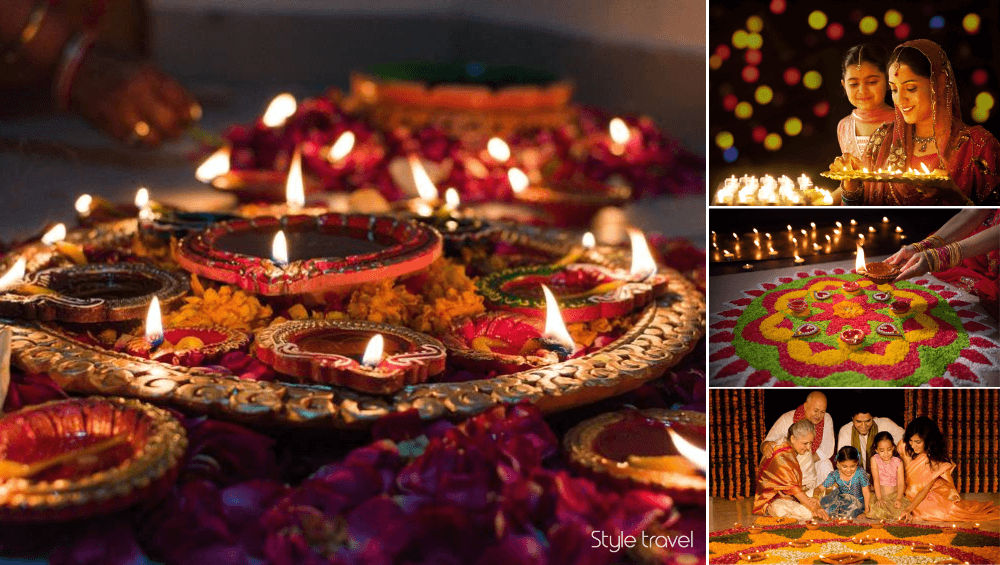
One unique feature of Deepavali in Malaysia is the spirit of “open house”, where Hindu families warmly welcome friends and neighbors of all backgrounds to join in the celebration and enjoy traditional Indian dishes. Streets in places like Brickfields and Little India become lively hubs of culture, music, shopping, and joy.
Thaipusam festival
- Date: January or February (on the full moon day of the Tamil month “Thai”)
- Main Locations: Batu Caves (Selangor), Penang, Ipoh
Thaipusam is one of the most visually striking and spiritually intense Hindu festivals in Malaysia, dedicated to Lord Murugan, the god of war and victory. The festival symbolizes devotion, penance, and the overcoming of inner demons.
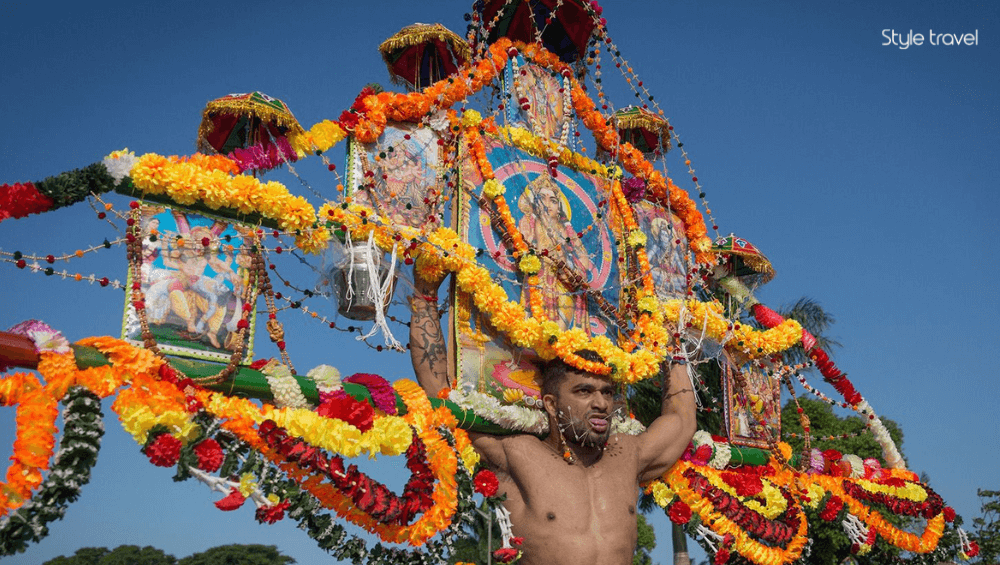
The most iconic celebration takes place at Batu Caves, where thousands of devotees embark on a pilgrimage, climbing 272 steps to the temple cave, many carrying kavadi (elaborate offerings balanced on the shoulders) as an act of devotion. Some devotees perform extreme forms of penance, such as piercing their bodies with hooks, spears, or skewers, reflecting their deep spiritual commitment.
Crowds gather in the early hours of the morning, with processions starting from Sri Mahamariamman Temple in Kuala Lumpur and ending at Batu Caves. The air is filled with chants, drums, incense, and the vibrant energy of faith.
This festival not only showcases the richness of Malaysia’s Indian heritage but also captivates visitors with its raw intensity and cultural depth.
Lantern Festival in Malaysia
- Date: September or October (15th day of the 8th lunar month – Mid-Autumn Festival)
- Main Locations: George Town (Penang), Petaling Street (Kuala Lumpur), Malacca, Ipoh
The Lantern Festival, celebrated as part of the Mid-Autumn Festival, is a vibrant cultural event widely observed by the Chinese community in Malaysia. It is a time for family reunions, moon-gazing, and sharing mooncakes, symbolizing unity and togetherness.
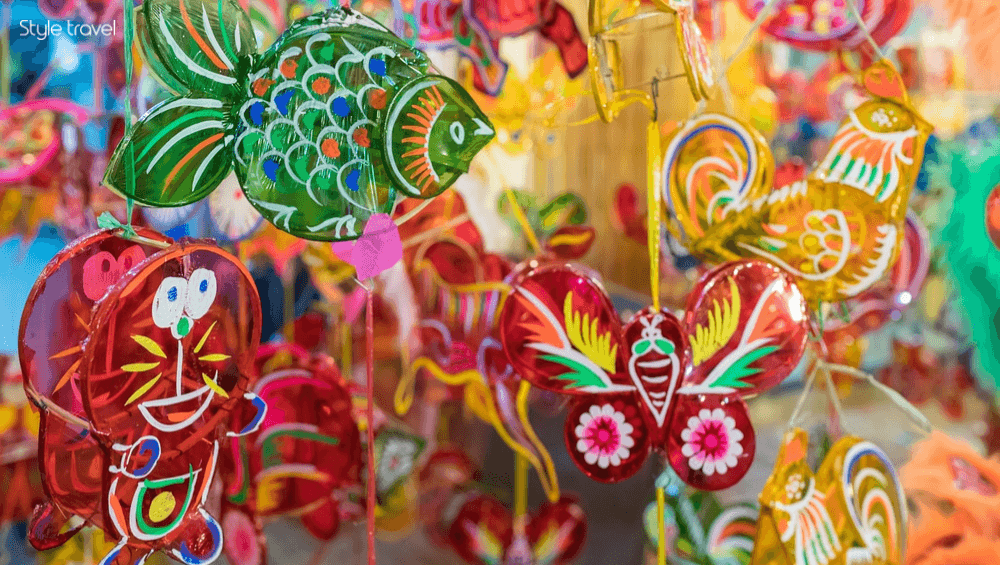
Streets and temples are adorned with colorful lanterns of all shapes and sizes, ranging from traditional paper lanterns to elaborate LED-lit displays. Children carry lanterns in evening parades, and many cities organize lantern-making contests, cultural performances, and traditional games.
Beyond the visual beauty, the festival carries deep meaning, commemorating the harvest season and legends such as Chang’e, the Moon Goddess. It offers a magical and nostalgic atmosphere, especially in heritage cities like George Town and Malacca, where colonial architecture blends beautifully with Chinese festive decor.
Vesak Day
- Date: May (on the full moon of the lunar month Vesakha, usually mid-May)
- Main Locations: Kuala Lumpur (Buddhist Maha Vihara, Brickfields), Penang, Malacca, Johor Bahru
Vesak Day, also known as Wesak, is the most sacred Buddhist festival, commemorating the birth, enlightenment, and passing (parinirvana) of Gautama Buddha. Celebrated by the Buddhist communities across Malaysia, Vesak Day is a solemn yet uplifting occasion marked by prayer, reflection, and acts of compassion.
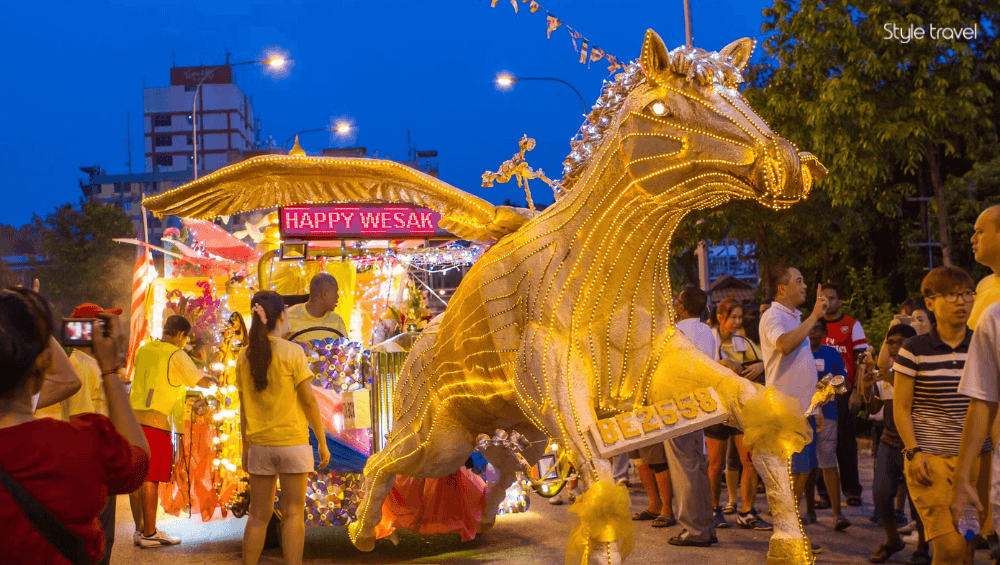
In temples across the country, devotees gather at dawn to offer flowers, candles, and incense, and to participate in chanting, meditation sessions, and sermons. Free vegetarian meals are often distributed, and some Buddhists spend the day performing good deeds, such as giving to charity, releasing animals, or volunteering.
One of the most visually captivating elements of the celebration is the Wesak float procession, especially in cities like Kuala Lumpur and Penang, where ornately decorated floats depicting scenes from the Buddha’s life parade through the streets, glowing with candles and lanterns as night falls.
Vesak Day offers a peaceful yet powerful insight into Malaysia’s spiritual diversity and the enduring presence of Buddhist values in its cultural landscape.
Harvest Festival Sabah (Pesta Kaamatan)
- Date: Annually in May (main celebration on May 30–31)
- Main Locations: Sabah (especially Kota Kinabalu, Penampang, and rural districts)
Pesta Kaamatan, or the Harvest Festival of Sabah, is a traditional celebration of the Kadazan-Dusun people, the largest indigenous group in the state. The festival gives thanks to Bambarayon, the spirit of rice, for a bountiful harvest and seeks blessings for the year ahead.
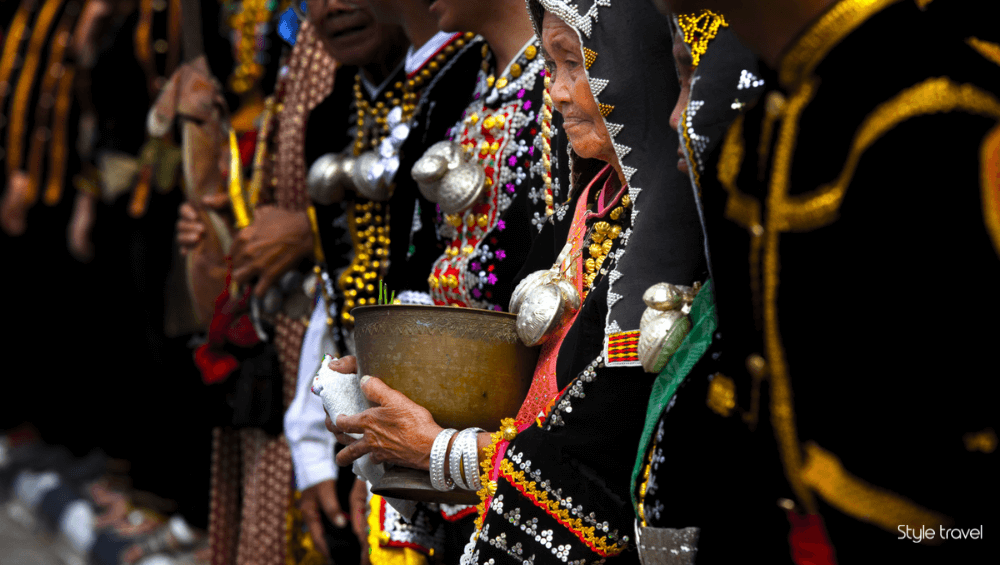
The celebration features traditional music, dances like the Sumazau, cultural rituals, and rice wine (tapai) sharing. Villagers dress in stunning traditional attire and participate in murut blowpipe competitions, arm wrestling, buffalo races, and more. One of the highlights is the Unduk Ngadau beauty pageant, which honors the legendary maiden Huminodun, a symbol of sacrifice and fertility.
Held across the month of May, Pesta Kaamatan culminates in a grand state-level event in Kota Kinabalu. It’s a vibrant and welcoming celebration that offers a deep glimpse into the cultural richness of East Malaysia.
George Town Festival
- Date: Annually in August (typically spans 1–2 weeks)
- Main Location: George Town, Penang
George Town Festival (GTF) is one of Malaysia’s most dynamic and internationally recognized arts and culture festivals, held in the heart of the UNESCO World Heritage Site of George Town, Penang. Launched in 2010 to celebrate George Town’s heritage status, the festival has grown into a world-class event showcasing a diverse mix of visual arts, theatre, dance, music, film, photography, and street performances.
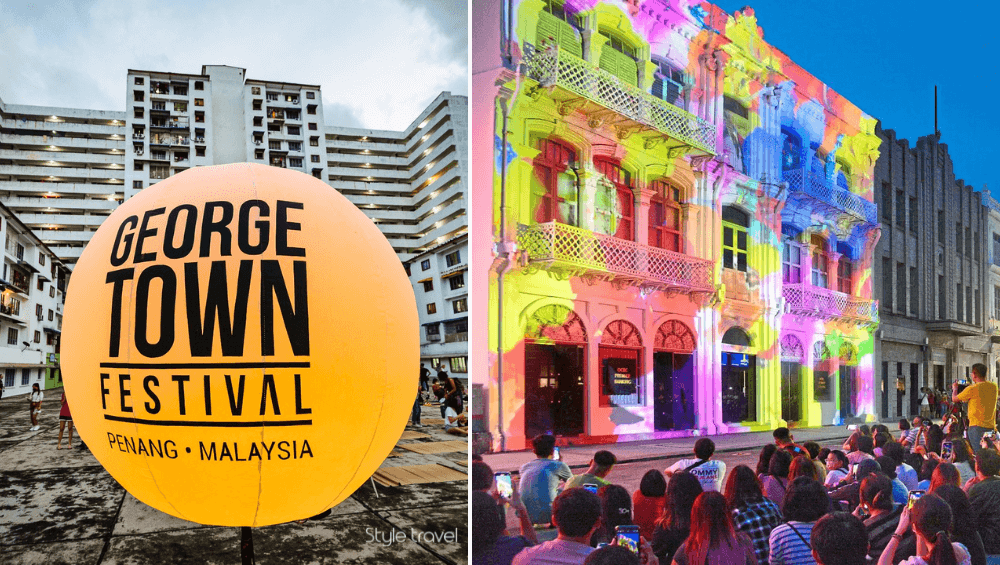
The city’s historical streets, colonial buildings, and cultural landmarks come alive with pop-up installations, open-air performances, exhibitions, and creative workshops. Local and international artists collaborate to transform public spaces into immersive experiences that blend tradition with contemporary expression.
With its open, inclusive spirit, George Town Festival highlights Penang’s multicultural identity and vibrant arts scene, drawing in creatives and visitors from across the globe.
Read More: Famous Bali Temples
Penang Hot Air Balloon Fiesta
- Date: Annually in February (usually during Lunar New Year)
- Main Location: Padang Polo, George Town, Penang
The Penang Hot Air Balloon Fiesta is a colorful and exciting annual event that fills the skies of George Town with vibrant balloons from around the world. Held during the festive Lunar New Year period, it adds a magical, family-friendly twist to Penang’s already lively holiday atmosphere.
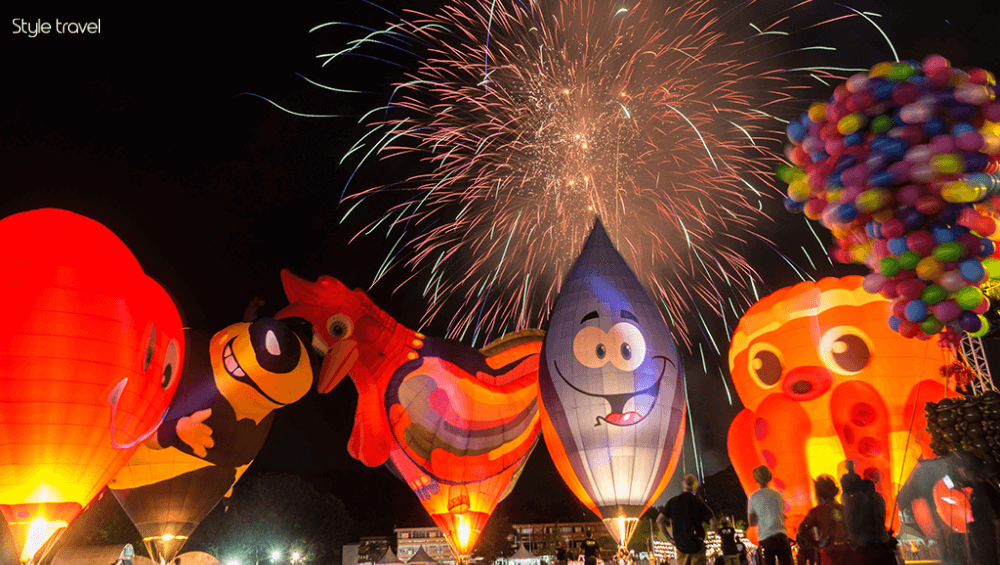
Visitors can witness mass balloon launches at sunrise, take tethered balloon rides, and enjoy night glow shows, where balloons light up in sync with music. The event also includes kids’ play zones, local food stalls, photo booths, and craft markets, making it a fun-filled experience for all ages.
With the city’s colonial charm as its backdrop, the Penang Hot Air Balloon Fiesta offers a rare chance to enjoy a hot air balloon experience in Malaysia, right in the heart of a UNESCO World Heritage city.
KL Festival, Citrawarna Malaysia
- Date: Annually (usually between August and December)
- Main Location: Kuala Lumpur – Dataran Merdeka, Bukit Bintang, and various cultural venues
KL Festival and Citrawarna Malaysia (also known as Colours of Malaysia) are vibrant national celebrations that showcase the cultural diversity, performing arts, and creative talents of the country. While KL Festival focuses on arts and culture across various forms, Citrawarna is more of a grand tourism and cultural showcase featuring parades, traditional dances, fashion, food, and multimedia performances.
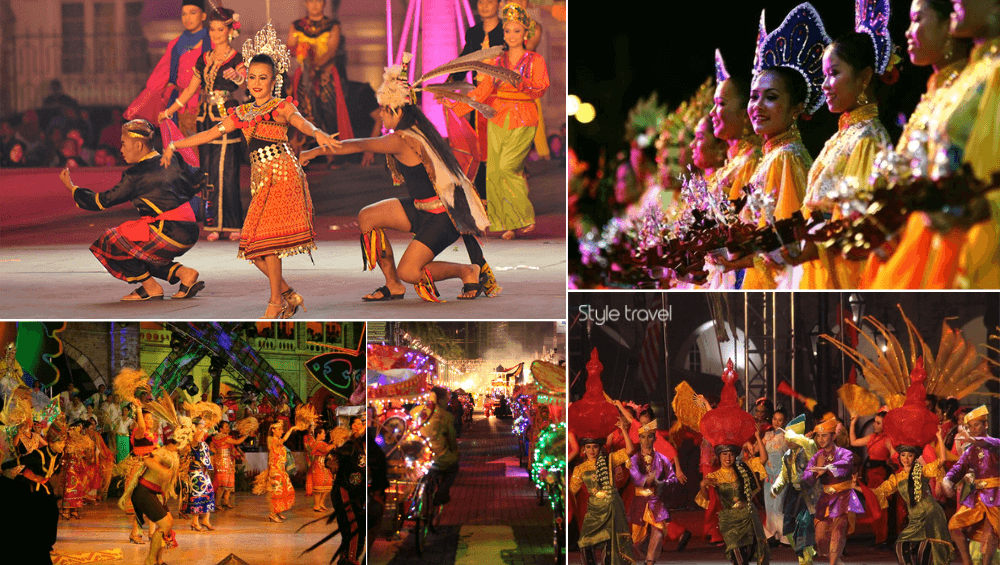
The streets of Kuala Lumpur light up with costume parades, projection mapping, musical showcases, and state-themed pavilions, each representing Malaysia’s rich ethnic tapestry: Malay, Chinese, Indian, Indigenous, and more. The events are often held outdoors, transforming the capital into an open-air cultural stage.
These festivals reflect Malaysia’s unique multicultural identity and serve as a vibrant invitation for both locals and tourists to discover the country’s living heritage.
Malaysia Water Festival
- Date: April (coinciding with Songkran, the Thai New Year)
- Main Locations: Kedah, Perlis, Kelantan, and other northern states with Thai communities
The Malaysia Water Festival is a lively and refreshing celebration inspired by the traditional Songkran Festival of Thailand. Observed mainly by the Siamese-Thai minority in northern Malaysia, this festival marks the start of the Thai New Year and is deeply rooted in cultural and spiritual traditions.
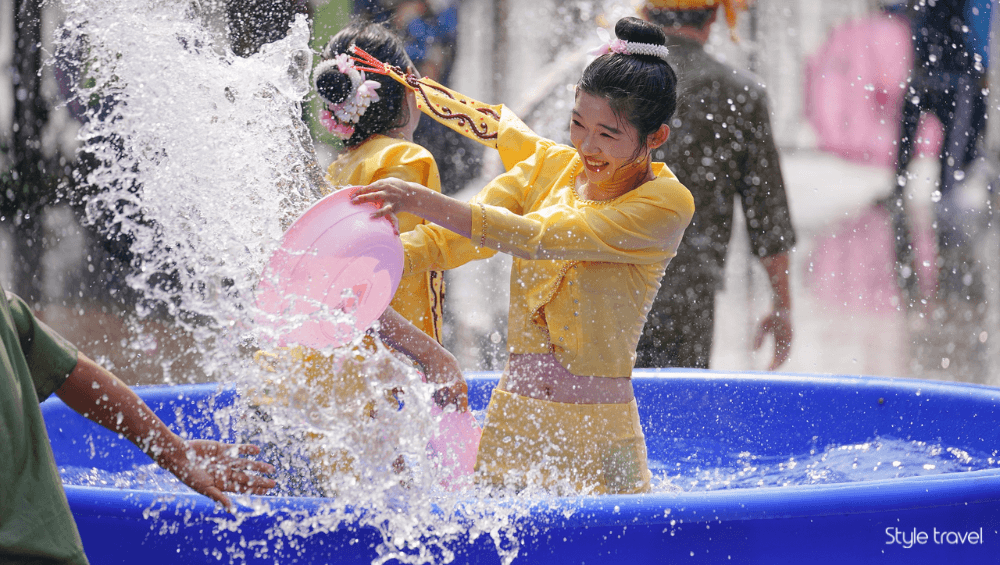
The celebration involves water splashing, symbolizing purification and the washing away of misfortunes. Communities gather at temples for blessing ceremonies, where water is gently poured over Buddha statues and the hands of elders as a gesture of respect.
In public spaces, the mood turns playful with full-on water fights, cultural shows, beauty contests, and traditional games. Tourists and locals alike join in, making it one of the most joyful and inclusive festivals in Malaysia’s northern region.
To truly experience the rich cultural soul of Malaysia, you simply cannot miss the vibrant, colorful atmosphere of its festivals. Each celebration is a gateway into a world of belief, tradition, art, food, and community – all coming together to paint a picture of Malaysia as a diverse, dynamic, and unforgettable destination all year round.
Planning a trip to Malaysia and want to explore its cultural highlights to the fullest? Don’t hesitate to get in touch with Style Travel.
Style Travel, a trusted international travel agency, is here to craft personalized itineraries, offer expert guidance, and deliver quality service every step of the way. Let Style Travel turn your Malaysian journey into a cultural adventure you’ll never forget.


Best time to visit Malaysia

Popular destinations in Malaysia

Malaysia travel tips

Things to do in Malaysia

Temples in Malaysia

Beaches in Malaysia

Islands in Malaysia

Malaysian foods

Festivals of Malaysia